As an Amazon Associate, we earn from qualifying purchases. Some links on this site are affiliate links at no extra cost to you. Our recommendations are based on thorough research and editorial judgment.

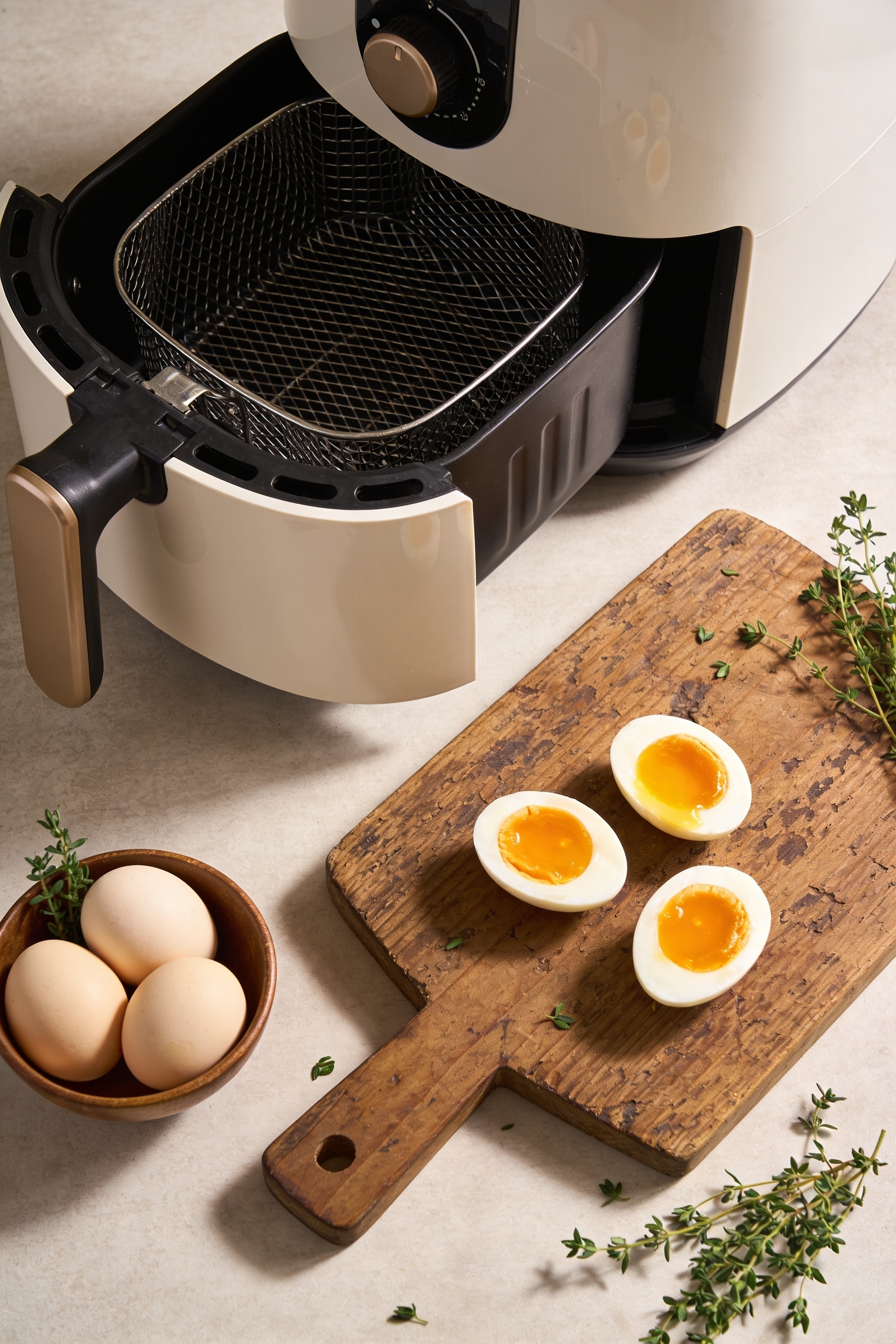
How to Make Soft Boiled Eggs in an Air Fryer

I’ve ditched my stovetop for air fryer soft-boiled eggs—they’re honestly better. Set your basket to 300°F, arrange cold eggs in a single layer without touching, and walk away for 6–9 minutes depending on yolk jamminess. No water needed, no babysitting required. Once the timer goes off, shock them in ice water for 3–5 minutes to stop cooking, then peel from the wider end. The whole process is hands-free and consistent every single time, which beats hovering over a pot of water any day. Stick around if you want the full breakdown on temperature tweaks, troubleshooting, and seasoning ideas.
Key Takeaways
- Set air fryer to 300°F and cook eggs for 6–8 minutes for runny yolks or 9 minutes for jammy yolks.
- Arrange cold eggs in a single layer with space between them and basket sides for even air circulation.
- Transfer cooked eggs to an ice bath immediately and soak for 3–5 minutes to stop residual cooking.
- Peel eggs starting from the wider end where the air pocket makes removal easier from the shell.
- Adjust temperature down 10–15°F if shells crack, and note your air fryer’s exact timing for future batches.
Why Air Fryer Eggs Beat Stovetop Boiling
hands-free timing. Set it, walk away, grab your ice bath ready. No babysitting required. That’s worth switching right there.
Prep Your Eggs and Air Fryer Basket
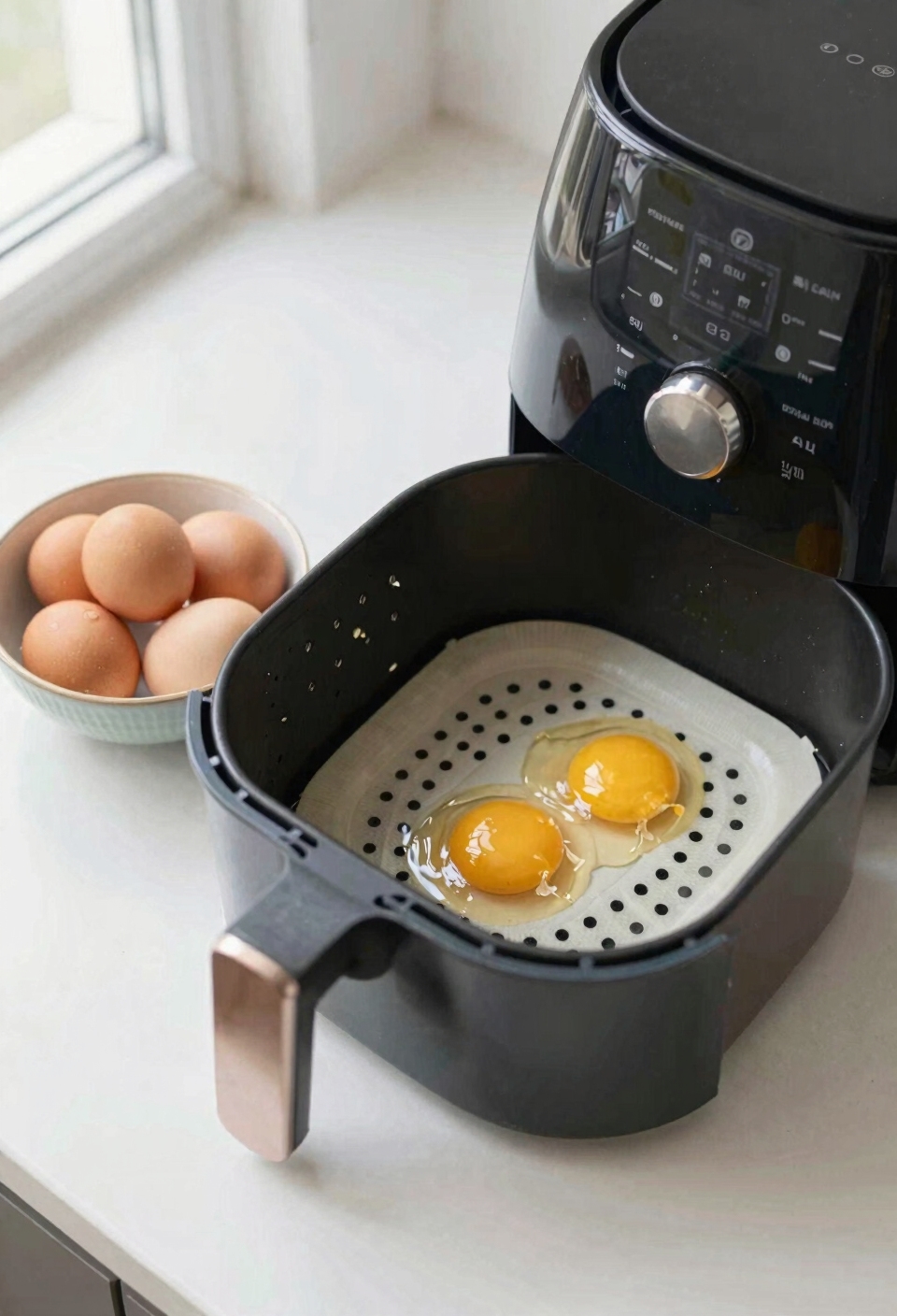
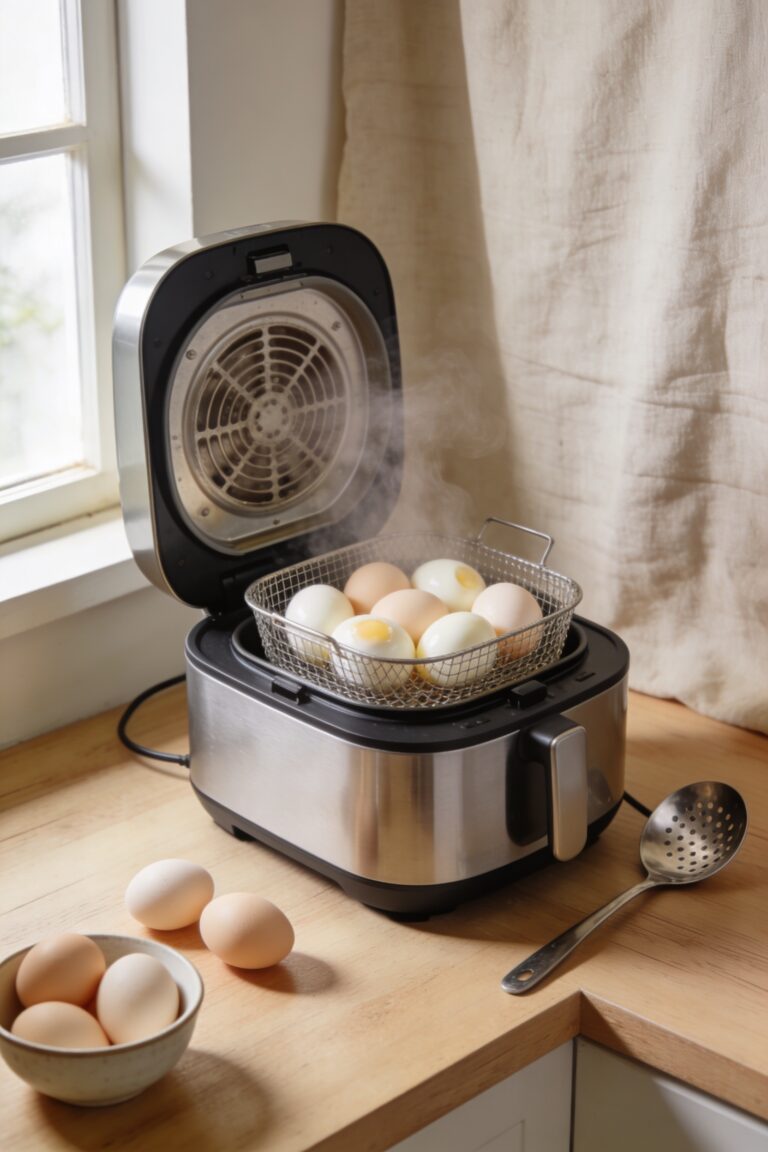
All right, let’s set you up for success—because nailing soft boiled eggs starts before anything hits the heat. Grab your eggs straight from the fridge. I know that sounds obvious, but cold eggs cook more evenly in the air fryer. Next, arrange them in your basket with proper basket spacing—no touching each other or the sides. A single layer is your friend here; it lets air circulate freely around each egg. Think of it like giving each one its own personal sauna. Don’t add water or use a liner. Just eggs and air doing their thing. Takes maybe two minutes to prep, and honestly, that tiny effort pays dividends when your yolks turn out perfectly jammy every single time.
Recommended Products

𝐕𝐄𝐑𝐒𝐀𝐓𝐈𝐋𝐄 𝐂𝐎𝐎𝐊𝐈𝐍𝐆: Forno 48-inch French Door Gas Range features 1 Sealed Dual-Ring Brass Burner (20K BTU) for high-heat searing or delicate simmering, along with 8 sealed burners totaling 107,000 BTU for comprehensive stove-top capabilities.
𝐕𝐄𝐑𝐒𝐀𝐓𝐈𝐋𝐄 𝐂𝐎𝐎𝐊𝐈𝐍𝐆 𝐎𝐏𝐓𝐈𝐎𝐍𝐒: Enjoy the flexibility of a powerful 20,000 BTU Sealed Dual-Ring Brass Burner, allowing you to achieve high-heat searing or delicate simmering control. The 4.32 Cu.Ft True Convection Oven with Air Fryer Kit, Wok Support, and Reversible Griddle expands your culinary possibilities.

FRENCH DOOR DESIGN WITH REDUCED CLEARANCE: Features a unique dual-door configuration that opens outward from the center, reducing standard front door swing clearance by up to 12 inches or more. This commercial-style architecture simplifies loading and unloading of heavy dishes, optimizes kitchen workflow, and allows close, ergonomic access to the 4.32 cu. ft. oven cavity.
Pick Your Temperature for the Yolk You Want
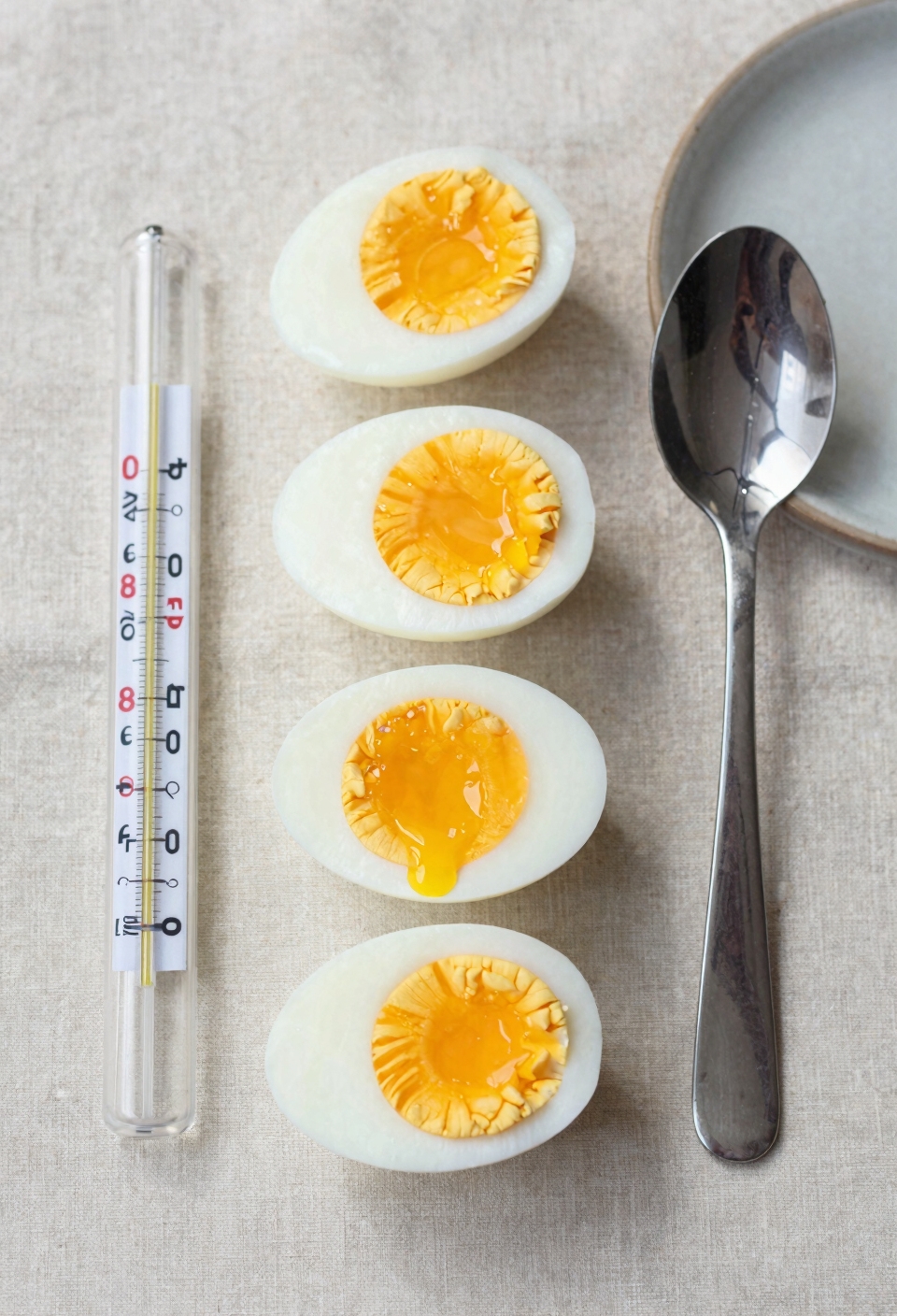
Now here’s where temperature becomes your secret weapon—because the dial you choose basically decides whether your yolk runs like lava or sits jammy and set. Temperature pairing with your desired doneness level is vital. I find 300°F delivers those runny yolks most people crave in about six minutes. Drop to 275°F if you want softer results, or try 270°F to mimic traditional simmering water. The yolk chemistry shifts with each degree, so don’t overlook this step. Higher temps cook faster but risk overdoing things. Lower temps give you more control and forgiveness. I’d honestly start at 300°F, then adjust based on what your specific air fryer produces. Every model behaves slightly differently, so experiment until you nail your sweet spot.
Recommended Products

The sleek compact design fits nicely on your counter-top, like pizza,bread,cake,fruit dired,and so on.

𝐏𝐎𝐖𝐄𝐑𝐅𝐔𝐋 𝐂𝐎𝐎𝐊𝐈𝐍𝐆 𝐏𝐄𝐑𝐅𝐎𝐑𝐌𝐀𝐍𝐂𝐄: Experience exceptional cooking power with the Forno Massimo 36-inch Freestanding Dual Fuel Range, featuring 6 Sealed Burners delivering an impressive 83,000BTU. The 20,000 BTU Sealed Dual-Ring Brass Burner provides precise control for high-heat searing or delicate simmering.

KoolMore Reserve Collection: Proudly part of the high-end KoolMore Reserve Collection, this 36" Professional Induction Oven Range exemplifies luxury, style, and superior craftsmanship, making it a standout addition to any modern kitchen.
Cook Times for Every Doneness Level
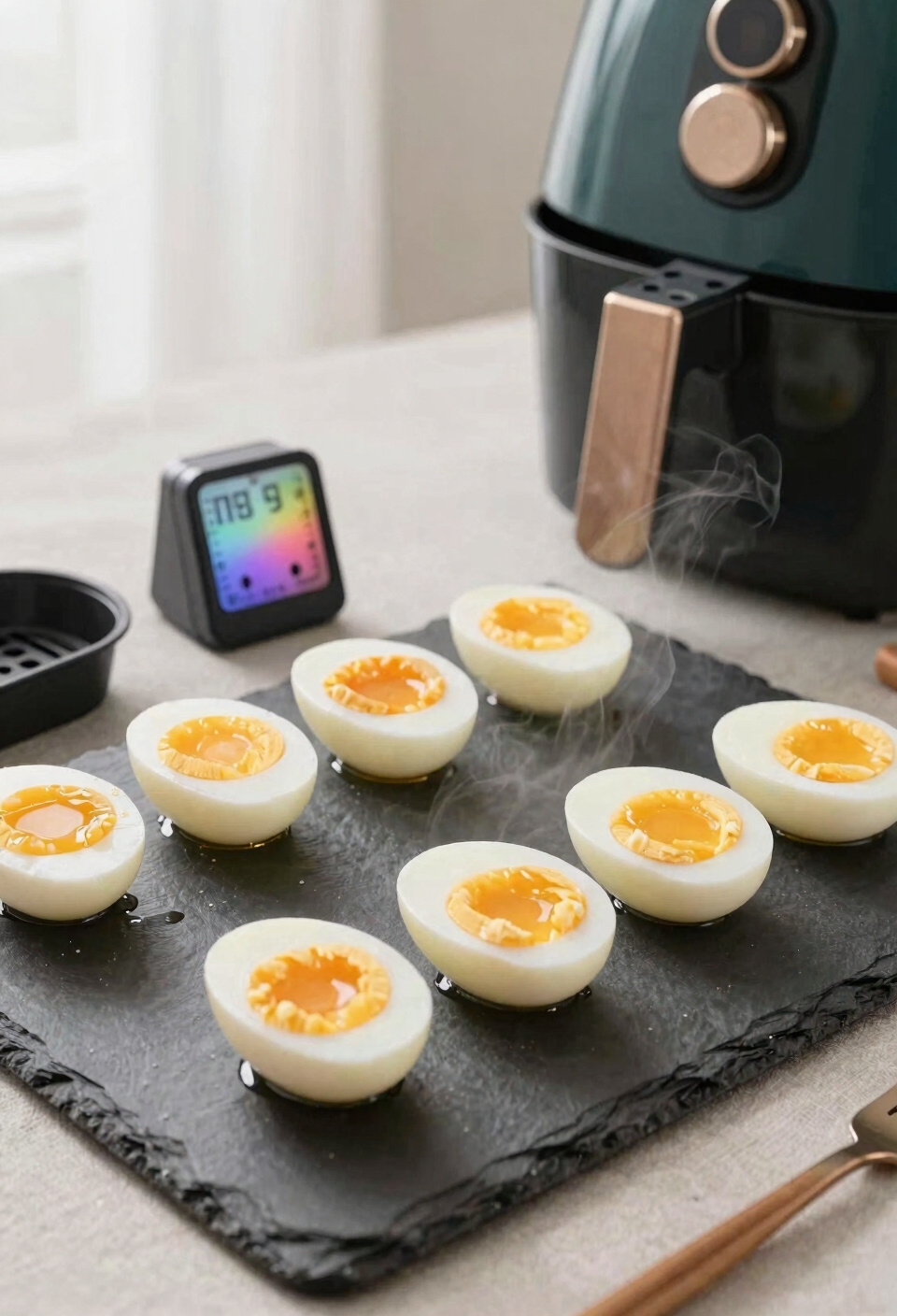
Once you’ve locked in your temperature, timing becomes everything—and I’m not exaggerating when I say the difference between a perfect soft boiled egg and a rubbery disappointment is literally just a few minutes.
At 300°F, you’re looking at six to eight minutes for runny yolks with barely set whites. Push it to nine minutes, and you’ll hit that jammy sweet spot where the whites are firm but yolks stay gloriously soft. Want more control? Try 9-10 minutes at 270°F for texture gradients that let you dial in exactly what you want.
The thing is, every air fryer runs slightly different. Your yolk temperatures might vary, so jot down what works. Then you’ve got your formula locked down forever.
Recommended Products

EASY GOURMET OVEN - Achieve gourmet cooking with ease. Simultaneously steam for juicy interiors and air fry for crispy exteriors using COMBO mode. With 120 presets, cooking has never been easier or more delicious for perfect results every time.
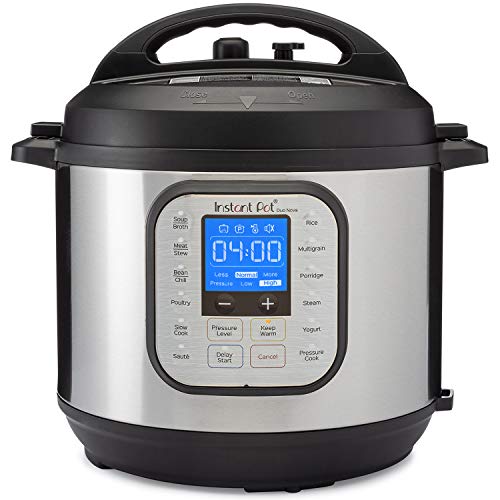
Best for beginners: An upgrade to the all-time bestseller Instant Pot Duo series, the Duo Nova combines 7 appliances in 1: Pressure cooker, slow cooker, rice cooker, steamer, saute pan, food warmer, and yogurt maker. The 6Qt model is the most popular size, with a capacity to cook for up to 6 people – if you’re on the fence about which size is right for you, you can’t go wrong with the 6Qt

XL 8QT Capacity: Fits a whole chicken or up to 6 servings—perfect for family dinners and game-day spreads
Shock Your Eggs in Ice Water (Here’s Why)

The ice bath is honestly the secret weapon that separates good soft boiled eggs from great ones. Here’s the thing: your eggs keep cooking after they leave the air fryer. That residual heat‘ll turn your perfectly jammy yolk into something rubbery if you’re not careful. So I prep a bowl with ice and cold water while they’re cooking. The moment the timer goes off, I transfer those eggs straight into the ice bath. I let them sit for three to five minutes until they’re warm to touch. This texture preservation step stops the cooking process dead, giving you exactly the doneness you want. Plus, they’re easier to peel when they’re not ice cold. You’ll notice the difference immediately.
Peel and Serve Like a Pro
After your eggs emerge from the ice bath, you’re in the home stretch—and honestly, this is where finesse matters more than you’d think. Gently peel each shell, working from the wider end where that little air pocket lives. The membrane underneath comes away easier than you’d expect, especially if you didn’t overdo the ice bath.
Now for presentation tricks: crack the tops and nestle them into proper egg cups or serving vessels. This keeps that runny yolk contained while you dip your toast soldiers in. No fancy equipment needed—I’ve used coffee mugs in a pinch. Cut halves, sprinkle salt and pepper, and serve immediately. That jammy center waits for no one, so get these beauties to your plate fast. You’ve earned this breakfast.
Fix Common Issues: Rubbery Yolks, Tough Shells, Overcooked Whites
Even with the best technique, your air fryer eggs can sometimes betray you—rubbery yolks, shells that cling like they’re glued on, or whites that look more scrambled than soft boiled.
Here’s the thing: uneven cooking usually means your eggs aren’t spaced properly or your air fryer needs temperature calibration. Try repositioning them, leaving space between each one. If shells refuse to cooperate, that’s often an egg storage issue—older eggs peel easier than fresh ones, so don’t always grab the newest carton. For shell cracking during cooking, lower your temperature by 10-15 degrees and add a minute or two. Trust me, patience beats rushing. You’ll nail it next time.
Recommended Products
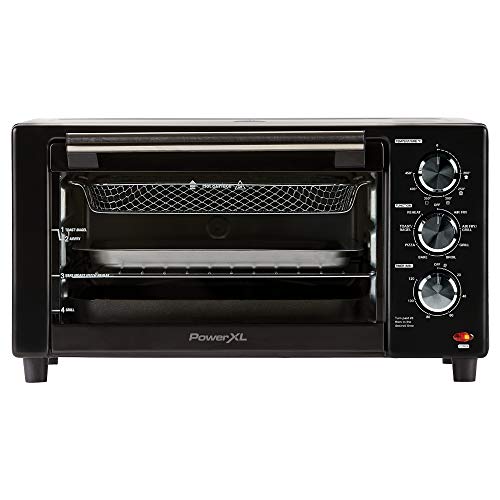

PRO COOK SYSTEM: Achieve the perfect doneness from rare to well done at the touch of a button with the integrated Pro Cook System with Auto Temp Detect Intelligence Thermometer—no guesswork required.

11 COOKING FUNCTIONS: Bake, broil, and roast, but the MiniOven is also an airfryer, food dehydrator, proofer, toaster, and slow cooker with a 70–500°F temperature range; it’s more versatile than a traditional oven!
Season Your Air Fryer Eggs Three Ways
Once you’ve mastered the basic soft boiled egg, it’s time to get creative with seasoning—because honestly, plain butter and salt only take you so far. I’ve found three simple approaches that’ll transform your breakfast.
Start with herb butter. Melt butter with fresh chives, tarragon, or dill, then spoon it over your runny yolk. The warmth melts everything together beautifully.
Next, try chili oil. A drizzle adds heat and richness without overpowering that delicate yolk. It’s my go-to when I’m feeling fancy.
Finally, go savory with everything bagel seasoning, a crack of black pepper, and maybe some smoked paprika. Layer these flavors and you’ll forget store-bought seasonings exist.
Adjust Timing for Your Air Fryer Model
Now here’s where things get a little tricky—and honestly, where a lot of people get frustrated. Every air fryer runs differently. Mine cooks hotter than my sister’s, and yours might be somewhere in between. That’s why air fryer calibration matters so much.
Start with the baseline times I mentioned, then adjust from there. If your eggs come out too runny, add a minute next time. Too firm? Subtract one. You’ll nail your preference within a few tries.
Also consider altitude adjustments if you’re cooking at higher elevations. The air’s thinner up there, which affects cooking times slightly. You might need an extra minute or two.
Keep notes on what works. I’m serious—write it down.
Recommended Products
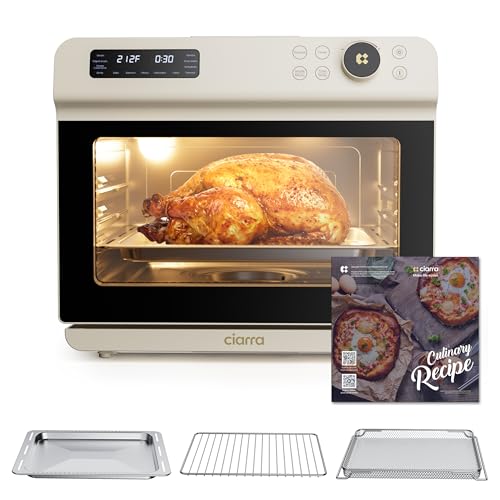
All-Round Cooking for Every Craving: This 25.4QT convection oven is a kitchen workhorse, boasting 11 cooking modes—including convection, steam, rapid steam, air fryer, bake, ferment, dehydrate, warm, sterilize, reheat, and preset menus. Its 85°F-430°F adjustable temperature ensures even, consistent cooking, and it can easily handle pizza, a whole chicken, lasagna, bread, chicken wings, french fries, seafoods, frozen foods, and more—so you never compromise on taste, exactly what you look for in reliable cooking performance.

"Typhur has designed a future where every meal can be mastered, and every cook can have the power of precision in their hands." - USA Today

𝘼𝙧𝙩 𝙤𝙛 𝙄𝙘𝙤𝙣𝙞𝙘: Rooted in mastery and the relentless pursuit of perfection. Iconic crafted with uncompromising standards to reflect the harmony of form and function to deliver restaurant-quality results
Frequently Asked Questions
Can I Cook Different Egg Sizes Together in the Same Batch?
I’d recommend against it. Different sizes cook at different rates, so you’ll struggle achieving consistent doneness. Instead, I’d suggest using staggered timing—cook larger eggs first, then add smaller ones partway through for better results.
How Do I Know if My Air Fryer Runs Hotter Than the Recommended Temperature?
I’d literally cook eggs into rubber if I didn’t monitor this first. Use a thermometer check to detect temperature variance—most air fryers run 25-50°F hotter than displayed. I’d reduce cooking times by 1-2 minutes accordingly for your model’s accuracy.
Do I Need to Preheat My Air Fryer Before Cooking Eggs?
Yes, I recommend preheating your air fryer before cooking eggs. This preheat necessity guarantees consistent results and accurate timing guidelines. I’d heat it to 250-300°F before adding your eggs for best outcomes.
Can I Cook Frozen Eggs in an Air Fryer, or Must They Be Fresh?
I’d recommend using fresh eggs directly from your refrigerator rather than frozen ones. Frozen yolks undergo texture changes that’ll compromise the soft, jammy center you’re after, making consistent results difficult to achieve.
How Many Eggs Can Fit in a Standard Air Fryer Basket Safely?
I’ve found that you’ll fit about 4 eggs safely in a standard basket when you arrange them in a single layer with proper spacing. This tray arrangement guarantees peak airflow optimization without compromising your results.
Conclusion
Look, mastering air fryer eggs is like learning to sail. You’ve got to respect the wind, adjust your sails, and accept that sometimes you’ll overcorrect. But once you nail your timing? You’re cruising. You’ll never boil on the stovetop again. The consistency you’ll find here isn’t luck—it’s just knowing your vessel and trusting the process. Now go cook something great.