As an Amazon Associate, we earn from qualifying purchases. Some links on this site are affiliate links at no extra cost to you. Our recommendations are based on thorough research and editorial judgment.

Why Preheating Your Air Fryer Actually Matters

Look, preheating your air fryer matters because it creates that instant golden crust you’re after. Cold air fryers steam your food instead of searing it—boring and pale. When you preheat, the hot circulating air hits your food immediately, triggering that beautiful browning before the interior even warms up. Most models need three to five minutes, and it’s especially essential for anything delicate or frozen. Skip it if you’re in a rush, but you’ll notice the difference.
Key Takeaways
- Preheating fills the cooking chamber with rapidly moving hot air that sears food surfaces instantly, creating restaurant-quality crust.
- Surface moisture evaporates immediately in preheated air fryers, triggering protein denaturation and browning instead of steaming.
- Baked goods require preheated air fryers to achieve proper oven spring and rise before edges set.
- Most air fryers need three to five minutes of preheating, though specific times vary by model and size.
- High-temperature cooking and frozen foods benefit greatly from preheating; room-temperature items at low temps can skip it safely.
How Air Circulation Creates Instant Crust
Preheating your air fryer creates the magic that makes it so darn good at crisping—and it all comes down to how the machine circulates heat. When you preheat, you’re effectively filling your cooking chamber with rapidly moving hot air. That’s your rapid convection at work. The moment food hits that preheated environment, the outer surface starts cooking instantly. Here’s the thing: there’s something called the boundary layer—basically the thin zone of air surrounding your food. When you skip preheating, that layer needs time to heat up. But with preheating? You’re already there. Your food’s exterior immediately sears and browns before the inside even knows what’s happening. That’s how you get that restaurant-quality crust you’re really after.
When Preheating Transforms Your Results
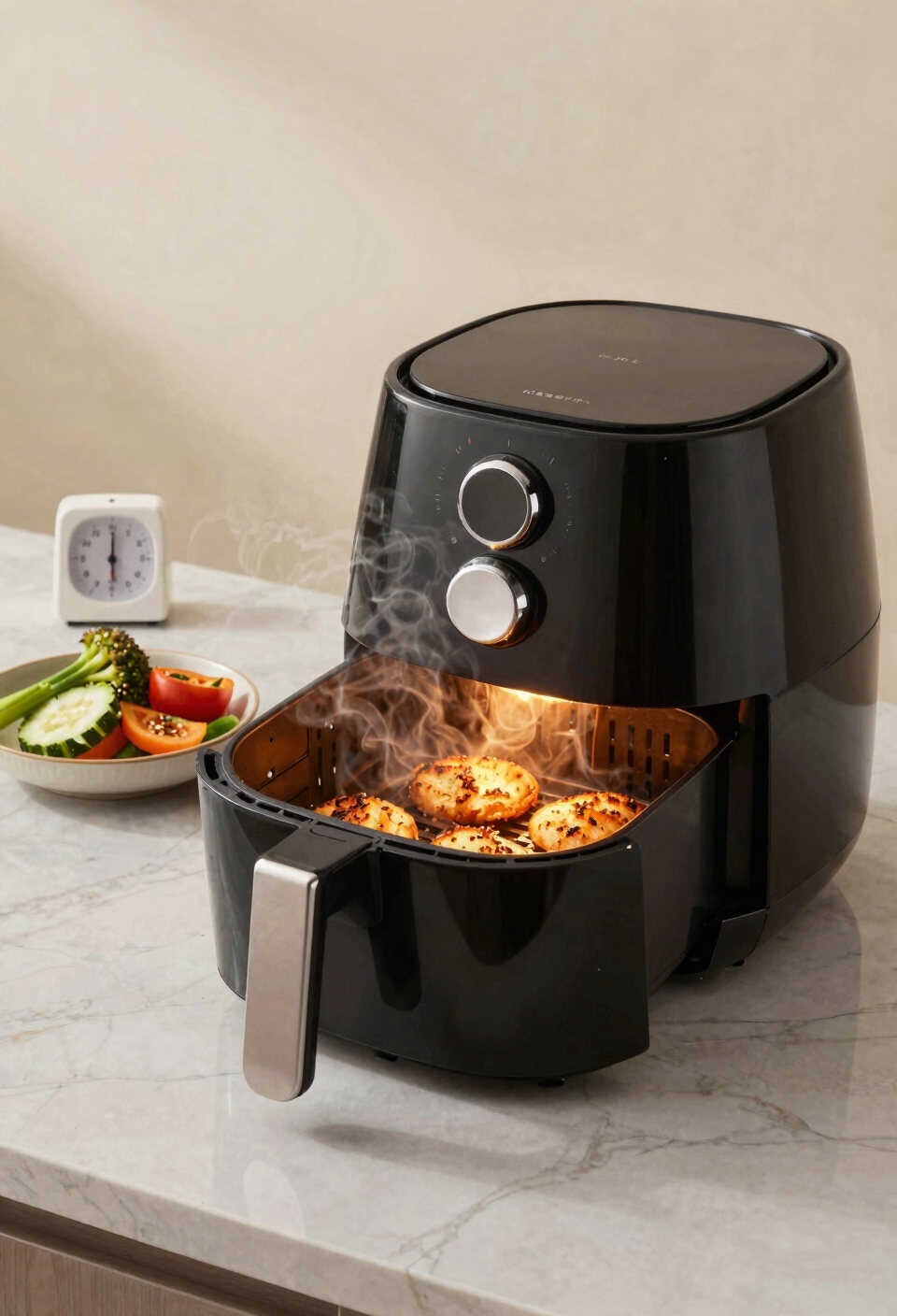
When you’re cooking something that actually matters—a steak you paid good money for, chicken wings you’ve been craving, or a batch of cookies you promised to bring somewhere—that’s when preheating stops being optional and becomes your secret weapon. Here’s the thing: preheating lets surface moisture evaporate instantly, triggering protein denaturation the moment food hits that screaming-hot basket. You get immediate searing instead of steaming. That’s the difference between a golden, caramelized exterior and something pale and disappointing. For baked goods especially, those first few seconds matter enormously. Your air fryer’s already circulating heat aggressively, so you might as well put that energy to work immediately. Now, I get it—sometimes you’re in a rush. But when results count, preheat.
Optimal Preheat Time for Your Model
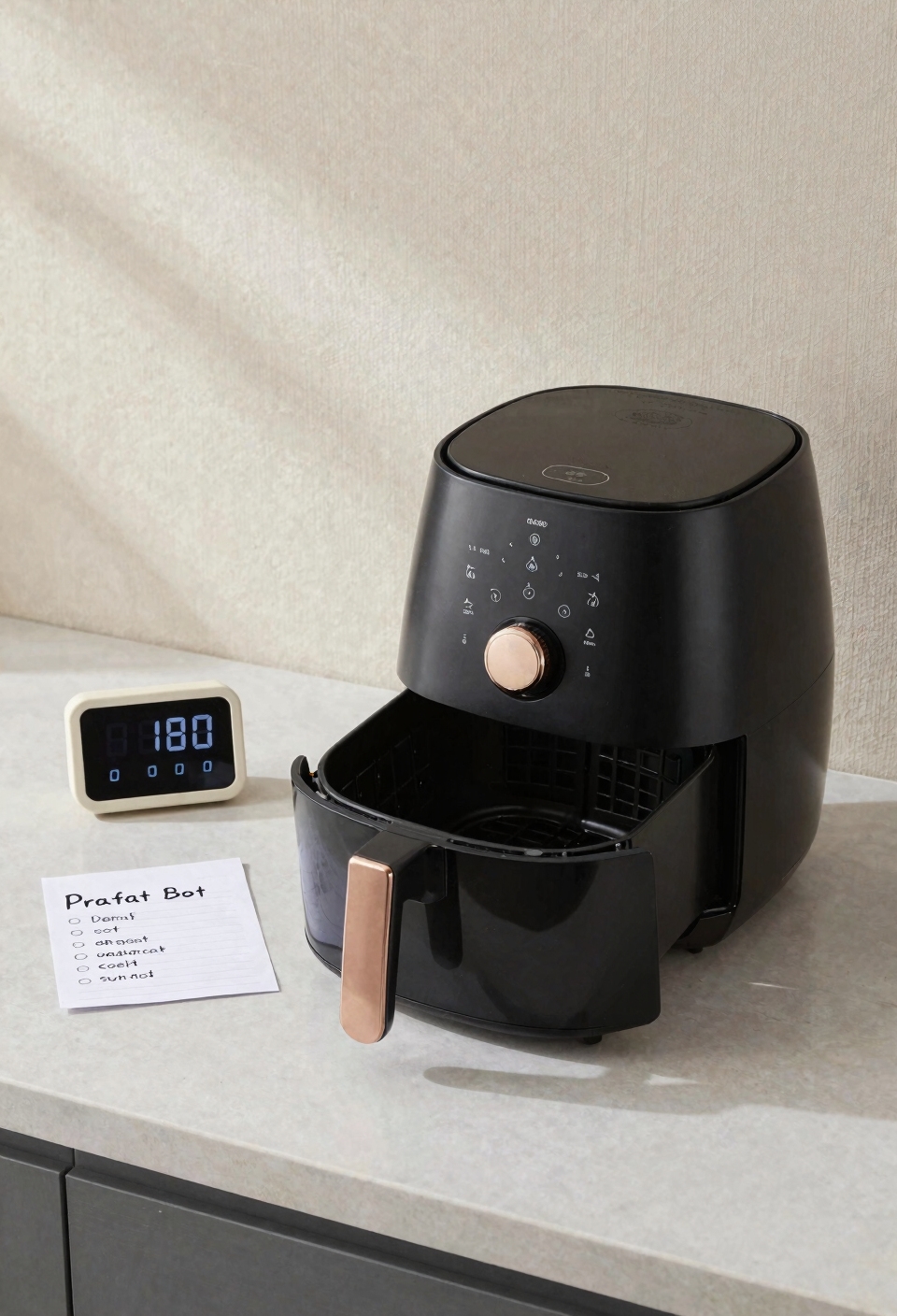
All right, so you’ve bought into the preheating thing—you’re sold on the crispy results, you understand the science, and you’re ready to commit those precious minutes upfront.
Here’s where model variance gets real. Most air fryers need 3–5 minutes to reach temperature, though some claim they’re ready sooner. Your specific model matters because temperature calibration varies between brands and sizes. A compact Ninja heats differently than a larger Cosori, and that affects your timeline.
Check your manual—seriously, I know it’s boring. Most manufacturers recommend their ideal preheat duration. When in doubt, give it five minutes at your target temperature. You’ll develop instincts over time, but following your model’s guidelines beats guessing and getting frustrated.
Why Baked Goods Need Preheating to Rise
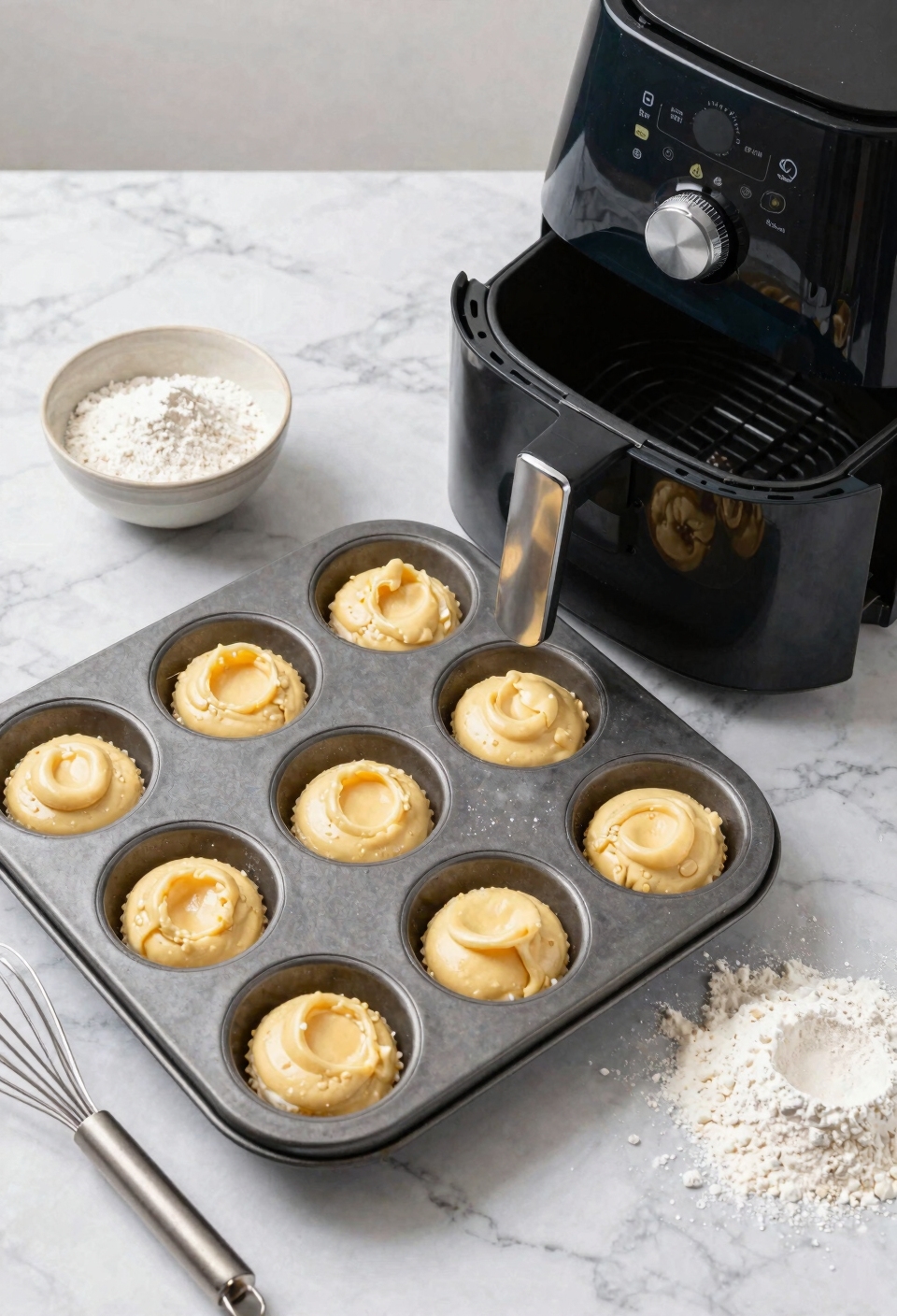
If you’ve ever baked a cake or muffins in a traditional oven, you know that temperature matters before your batter hits the rack—and your air fryer works exactly the same way. When you preheat, you’re giving your batter the best shot at proper oven spring, that magical rise that happens when heat hits it immediately.
Cold batter temperature means slower rising and denser results. But here’s the thing: preheated air fryers deliver consistent, immediate heat. Your cake gets that critical early burst of warmth that helps it rise properly before the edges set. Temperamental baked items like soufflés and delicate muffins show noticeably better results with preheating. It’s not just about temperature—it’s about giving your baked goods the fighting chance they deserve. Trust me on this one.
When Speed Matters More Than Crust Quality
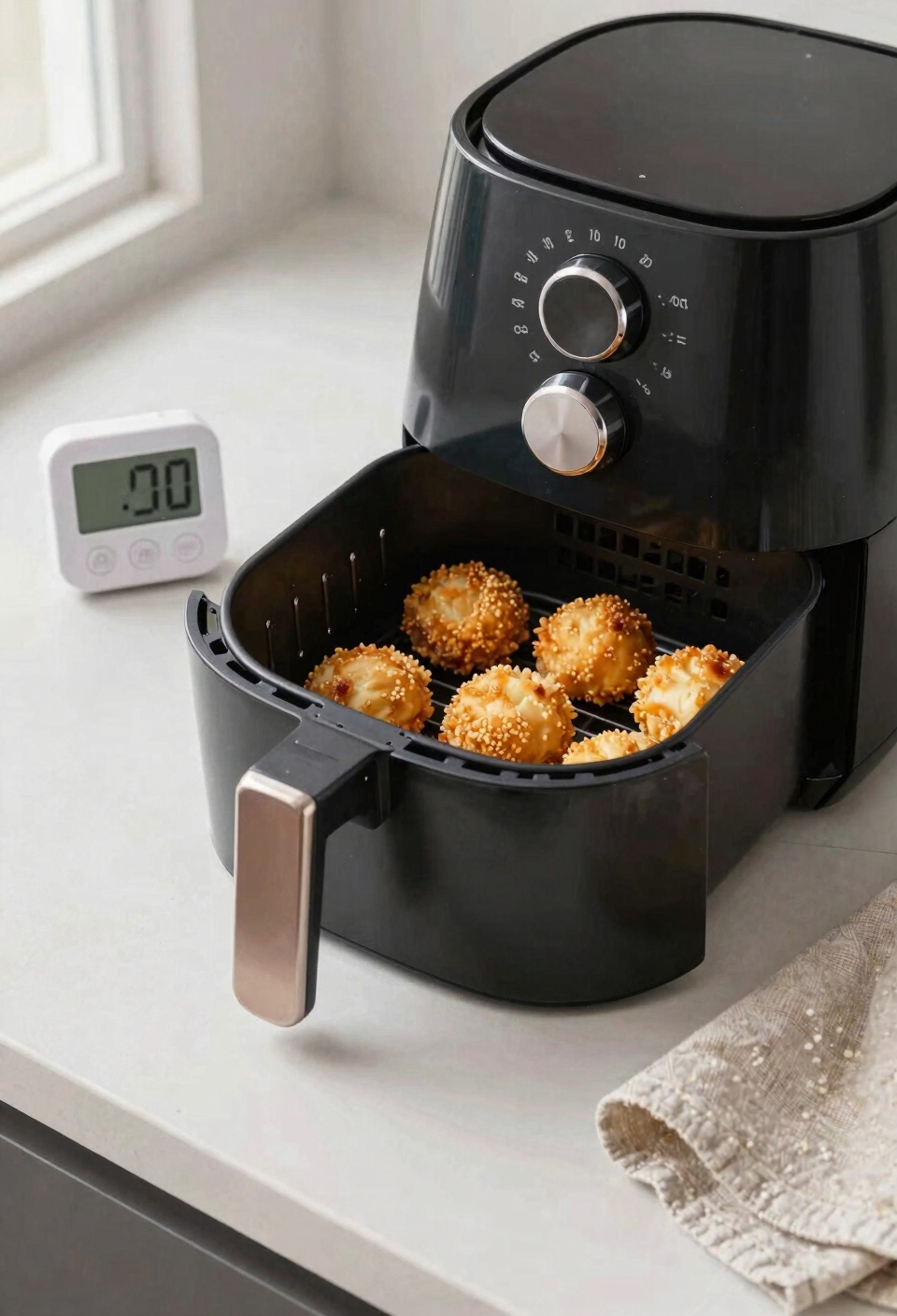
Not every meal demands a picture-perfect crust, and I get it—sometimes you’re just hungry and the clock’s ticking. When meal timing matters more than texture, you can absolutely skip preheat without guilt. Throw your room-temperature food straight into the basket and hit start. You’ll still get decent results, especially on simpler items that don’t rely on immediate searing.
Now, here’s the trade-off: you’re sacrificing some crispiness for convenience. That bottom won’t sear quite as dramatically, and your browning might be slightly less impressive. But if you’re reheating leftovers or making a quick weeknight dinner? That’s a solid compromise. The food cooks through fine. You get fed faster. Sometimes that’s exactly what you need, and there’s zero shame in choosing speed over restaurant-quality crust.
The Air Fryer Settings That Need Preheating Most
Certain air fryer settings absolutely demand that preheat time, and skipping it’ll cost you real results. High-temperature cooking—think 400°F and above—needs that heat already circulating when food hits the basket. Frozen foods especially benefit from preheating because they need immediate, aggressive heat to cook through properly without drying out the edges. Delicate pastries are another story entirely. Cakes, croissants, and muffins won’t rise right without a preheated environment mimicking a traditional oven. You’re effectively giving them the thermal shock they need to set structure quickly. Lower temperatures below 350°F? You’ve got more wiggle room there. But honestly, I’d preheat anyway—it takes three minutes and guarantees consistency.
Frequently Asked Questions
Does Preheating Use Significantly More Electricity Than Cooking Without It?
I’d say preheating doesn’t materially increase your overall energy usage. While it does create a peak draw during those few minutes, air fryers heat so quickly that you’re not adding substantial electricity consumption compared to cooking without it.
Can I Preheat My Air Fryer While Preparing Ingredients to Save Time?
Yes, you can. Think of preheating like warming your car while batch prepping—both happen simultaneously. I’d preheat while organizing ingredients on your counter space; most air fryers need just 3-5 minutes, perfectly timing your setup.
Will Preheating Prevent My Air Fryer From Developing Its Non-Stick Coating?
No, preheating won’t damage your air fryer’s non-stick coating. I’d note that normal temperature cycling during regular use won’t cause coating degradation. You’re safe preheating as recommended for best cooking results.
Is Preheating Necessary for Frozen Foods, or Should I Skip It?
I’d absolutely skip preheating for frozen foods—they’re practically magic without it! You’ll thaw while cooking, and here’s my timing hack: frozen items need extra minutes anyway, so preheating won’t dramatically change your frozen texture results.
How Do I Know When My Air Fryer Has Finished Preheating Accurately?
I’ve found that most air fryers signal completion through indicator lights that turn off or change color, and many models emit an audible beep. Check your manual for your specific model’s signals to confirm it’s ready.
Conclusion
preheating your air fryer isn’t just some fancy step you can skip. Studies show preheated air fryers can reduce cooking time by up to 20 percent, which means crispier results and less waiting around. So yeah, I know it feels like an extra hassle, but those few minutes upfront? They’re genuinely worth it. Your food—and your patience—will thank you.