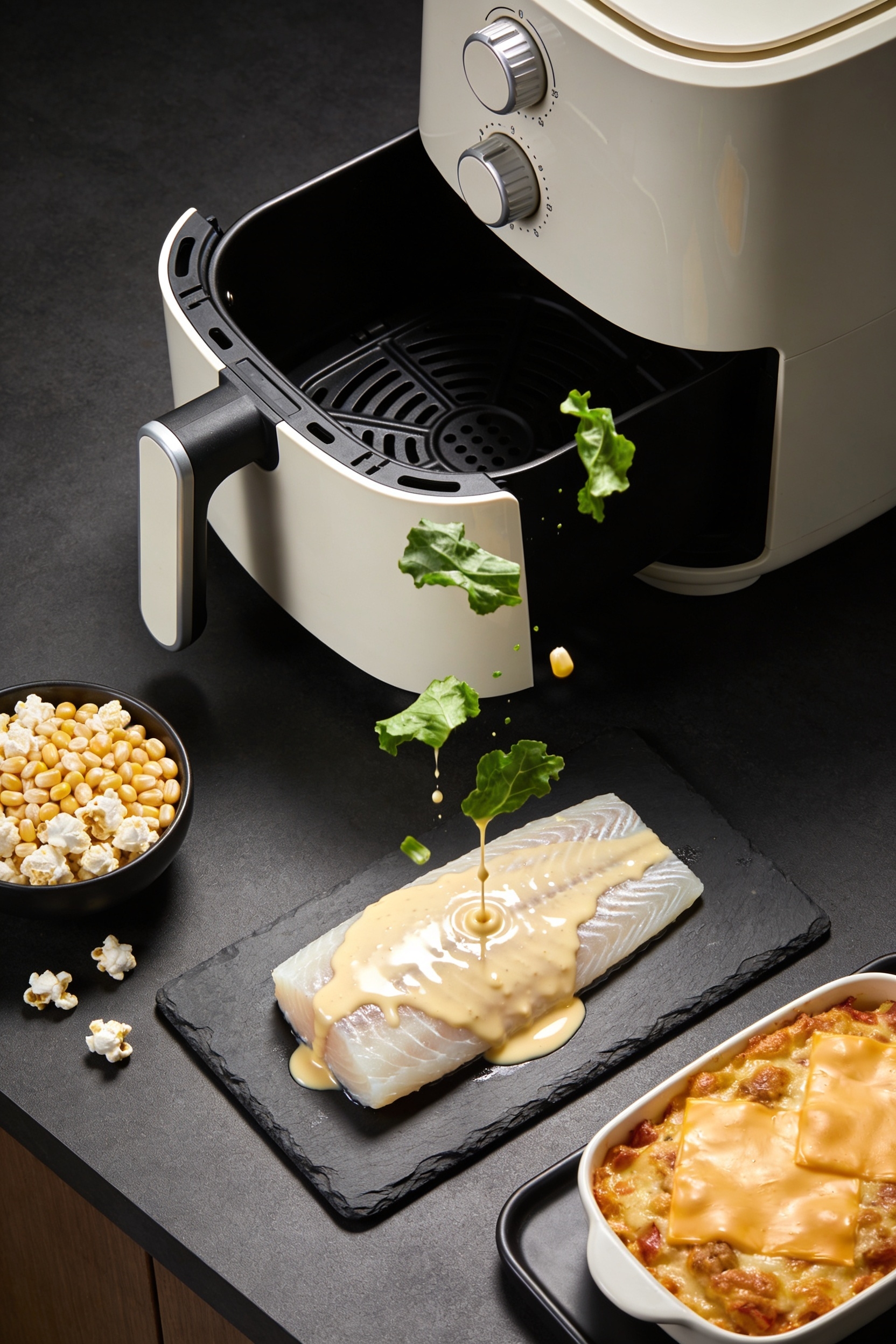

Look, air fryers are phenomenal for frozen fries and chicken wings, but they’ll absolutely wreck certain foods. Wet batters slide off and pool at the bottom. Whole eggs explode. Cheese-filled items leak everywhere. Sauces splatter and separate instead of coating properly. Delicate fish dries out fast, and dumplings cook unevenly. Stick these dishes on the stovetop or in your oven instead—they’ll turn out infinitely better. Want to know exactly why each one fails?
Key Takeaways
- Battered foods create pooled, greasy messes that soak up excess oil and burn on the basket base.
- Whole eggs pose explosion risks at high heat; boiling on the stovetop is safer and easier.
- Cheese-filled items like mozzarella sticks leak as filling melts faster than exteriors crisp properly.
- Sauce-based dishes splatter and separate in circulating air, ruining coating and creating messy cleanup.
- Delicate fish and frozen dumplings dry out or reheat unevenly; alternative cooking methods work better.
Battered Foods: Why Wet Coatings Create Greasy Pools
battered foods and air fryers just don’t get along. When you coat something in batter and toss it in the basket, that wet coating drips right off during cooking. All that batter pools at the bottom, where it soaks up oil and creates a greasy mess. The problem comes down to batter viscosity—it’s simply too thin to stick around in circulating hot air.
Now, here’s where it gets worse. Without sufficient oil absorption happening evenly, your coating won’t crisp up properly. You’ll end up with soggy, disappointing results. Even worse, that puddle of batter can actually burn the basket’s base, potentially damaging your machine.
Skip the homemade battered items. Frozen fried foods with pre-set batter? Those work fine. Just preheat to 375°F (see why preheating matters) and you’re good.
Whole Eggs Explode at High Heat in Air Fryers
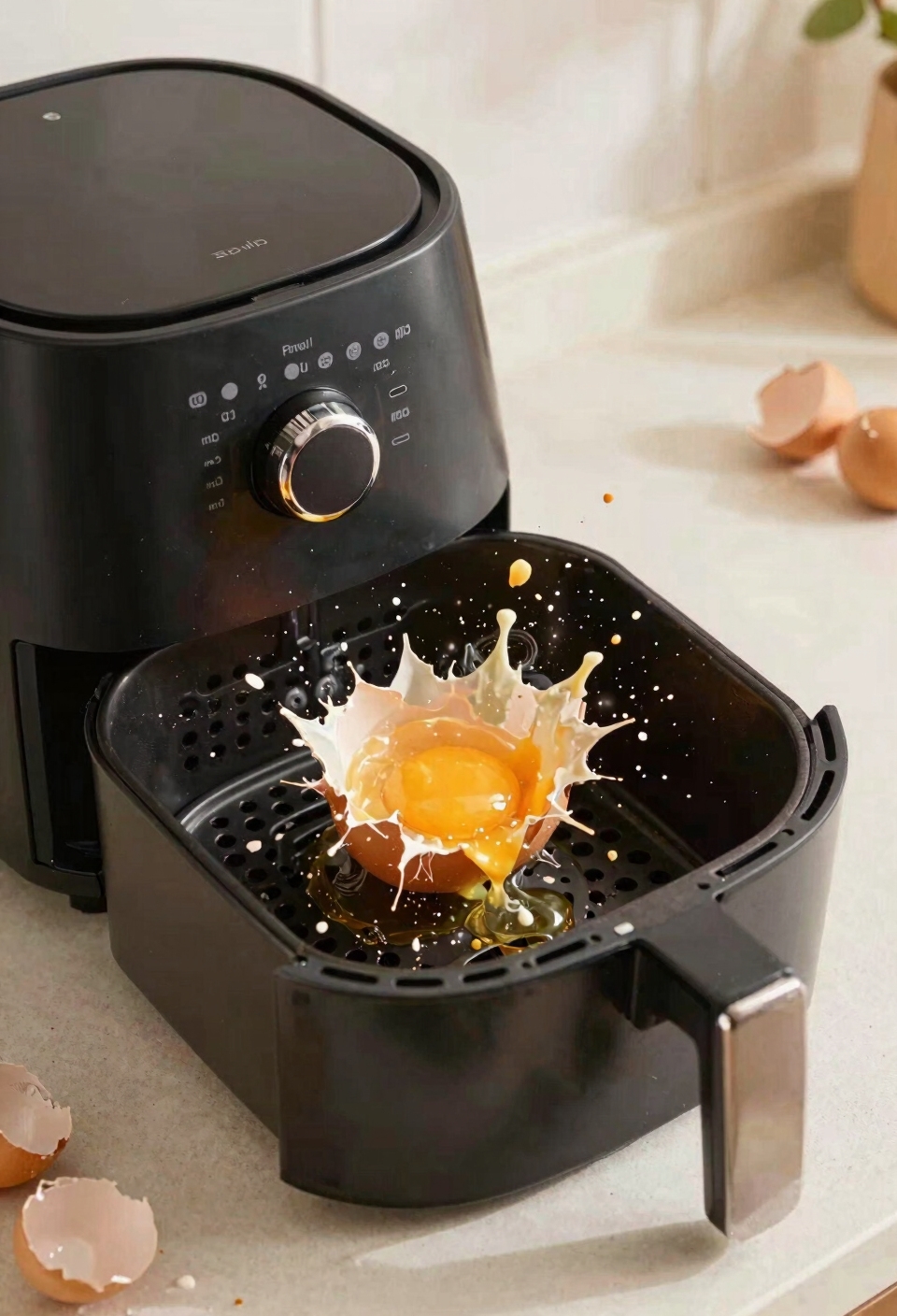
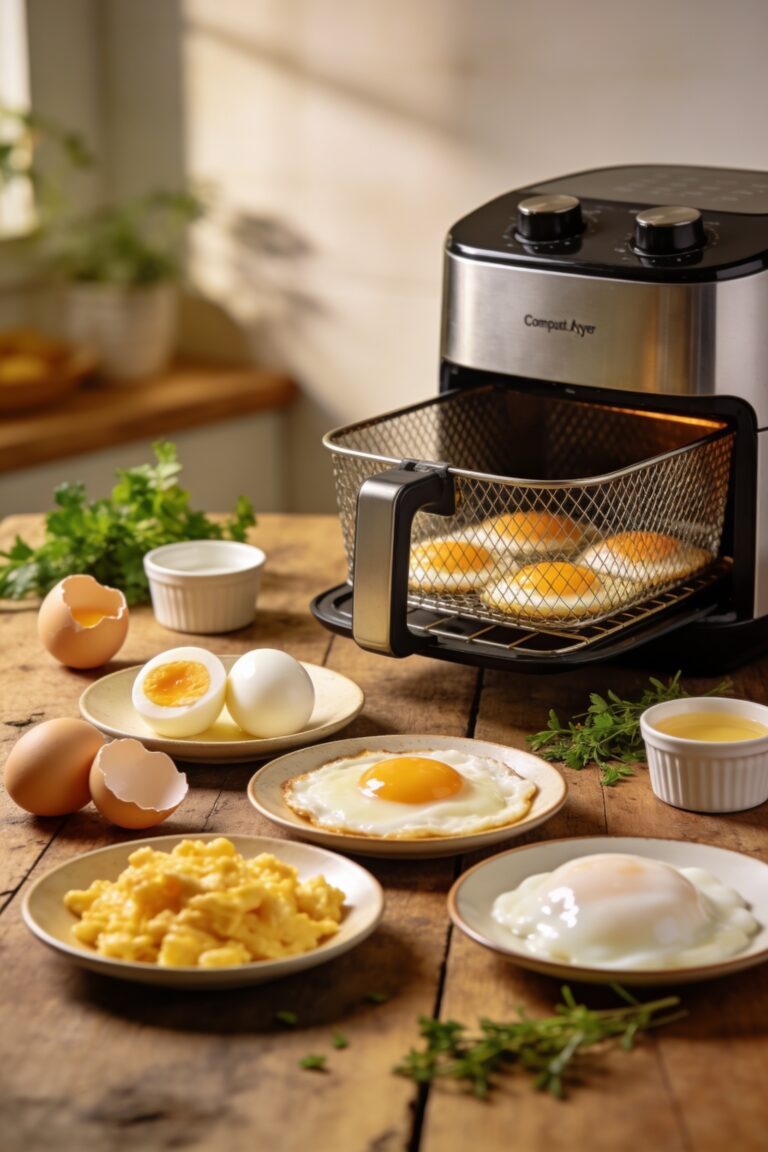
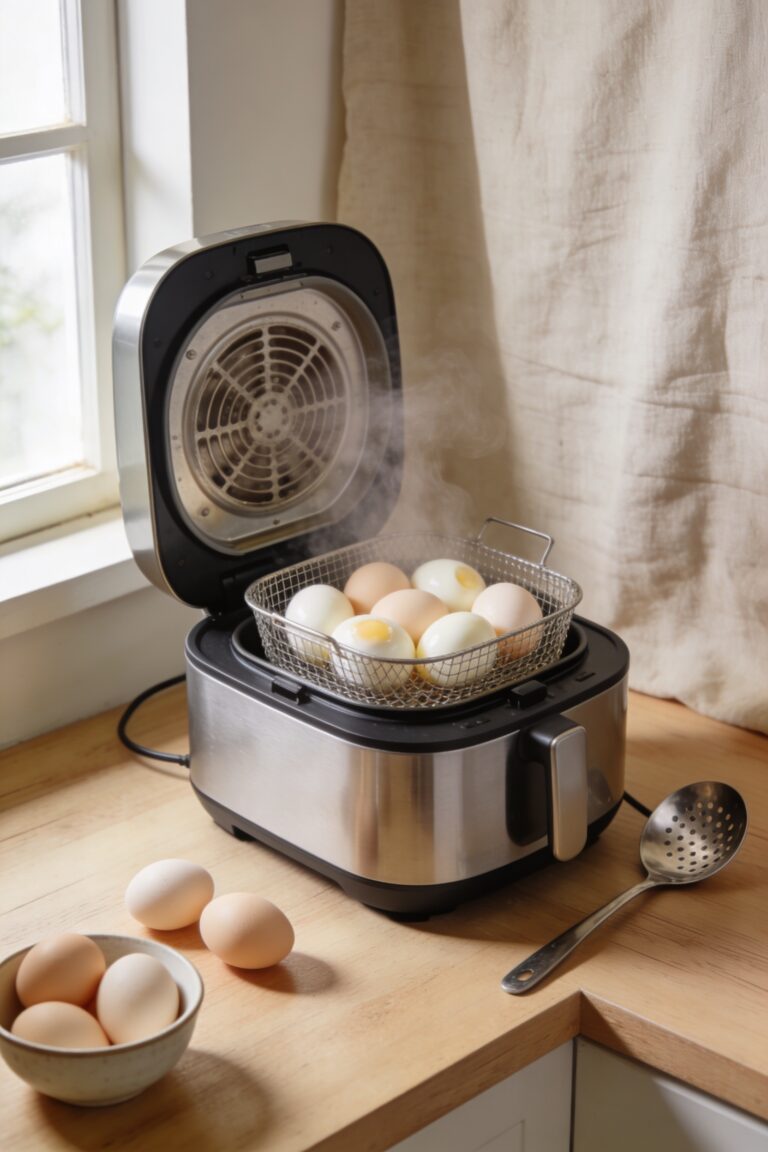
Cooking whole eggs in an air fryer is a recipe for disaster—literally. Here’s the thing: high heat causes the shells to crack, and you’re left with an explosion risk that coats your air fryer’s interior with yolk contamination. Not fun to clean up, trust me.
If you absolutely must air fry eggs, use low temperature—275°F for 15 minutes. That’s the only method that works without turning your appliance into a science experiment gone wrong.
Look, you’ve got better options anyway. If you still want eggs in the air fryer, see how to make hard boiled eggs in an air fryer the safer way. Boiling eggs on your stovetop takes the same time and eliminates the mess entirely. Hard-boiled eggs prepared traditionally are safer, easier, and honestly, just smarter. Your air fryer will thank you for skipping this one.
Cheese-Filled Items Melt and Leak Everywhere
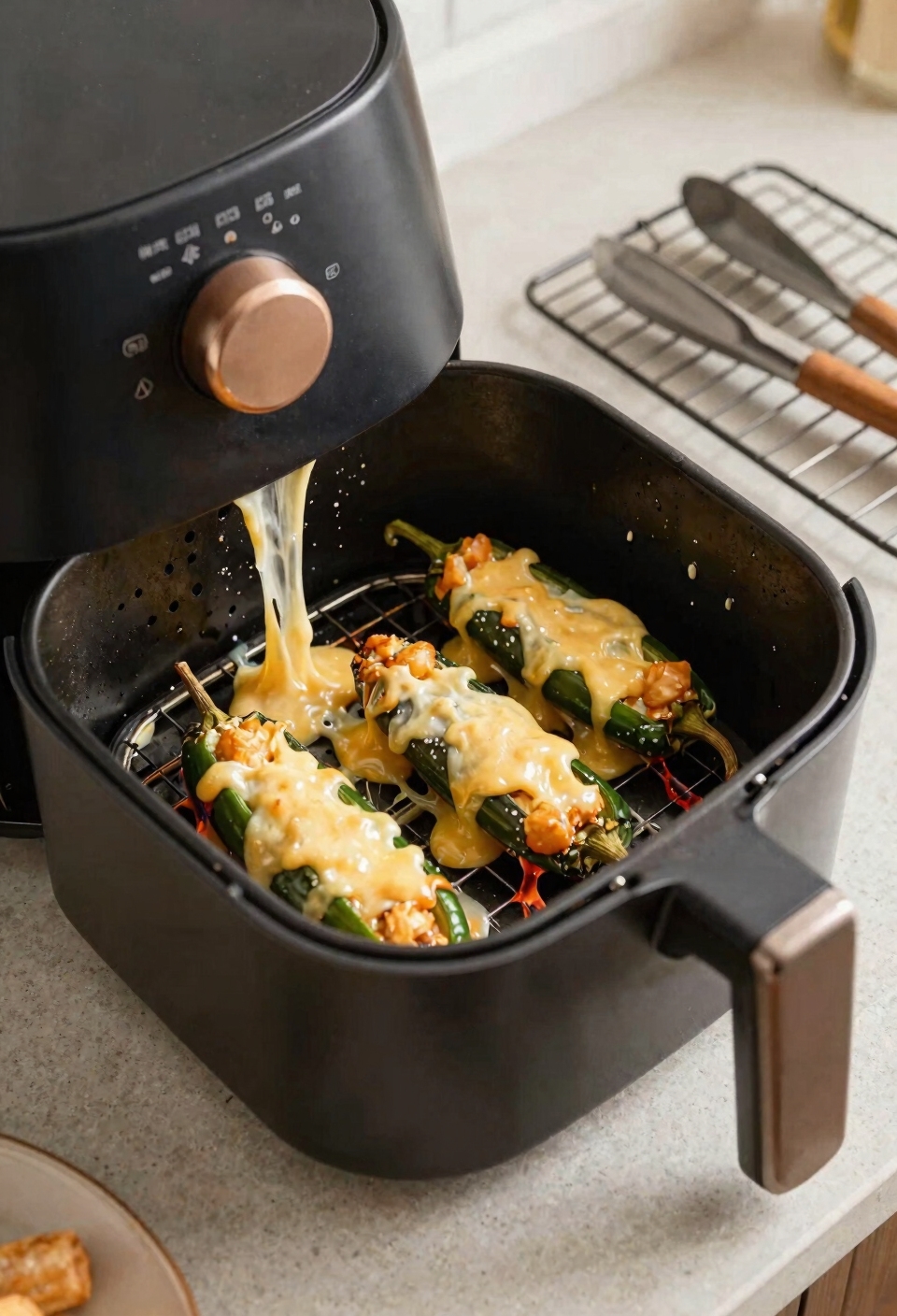
Cheese-filled foods almost always end up as a sticky mess in your air fryer, and I’ve learned this the hard way. Mozzarella sticks? Forget it. Jalapeño poppers? Don’t even think about it. The problem is that cheese melts way faster than the exterior crisps up, so you’re left with leaking filling and a nightmare cleanup situation.
Look, the circulating heat just accelerates the melting process beyond what you’d get from traditional cooking. You lose all cheese containment almost instantly. If you’re craving that crispy-outside, gooey-inside experience, try baking instead—it gives you actual control over timing. Or consider filling alternatives like seasoned breadcrumbs or vegetables that won’t liquify everywhere. Your air fryer basket will thank you.
Sauce-Based Dishes Splatter and Separate
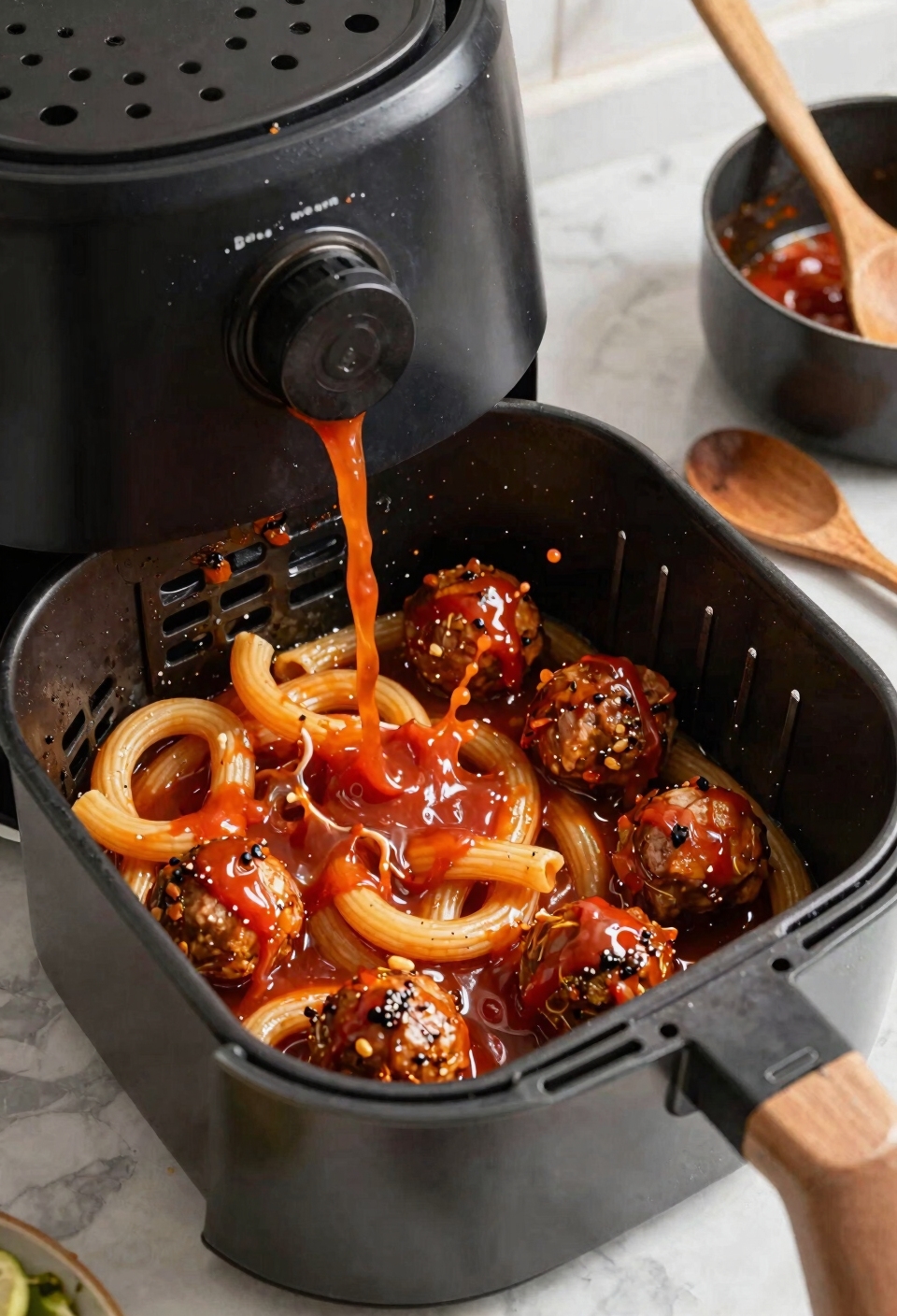
While cheese is the villain in one air fryer scenario, liquids are the chaos agent in another. Here’s the thing: sauce-based dishes like stew, chili, and bolognese simply don’t belong in your air fryer. The circulating hot air causes sauces to splatter everywhere, creating a messy—and potentially dangerous—cleanup situation. You’ll lose sauce adhesion to your ingredients as liquids bounce around erratically. The airflow emulsion problem means your sauce separates rather than coating evenly. Traditional stovetop cooking keeps everything contained and lets flavors meld properly. Your air fryer’s strength is crisping and browning, not simmering. Save the braised dishes for your Dutch oven, where they belong. Trust me, your kitchen—and your sanity—will thank you.
Delicate Fish and Dumplings: Heat and Texture Problems
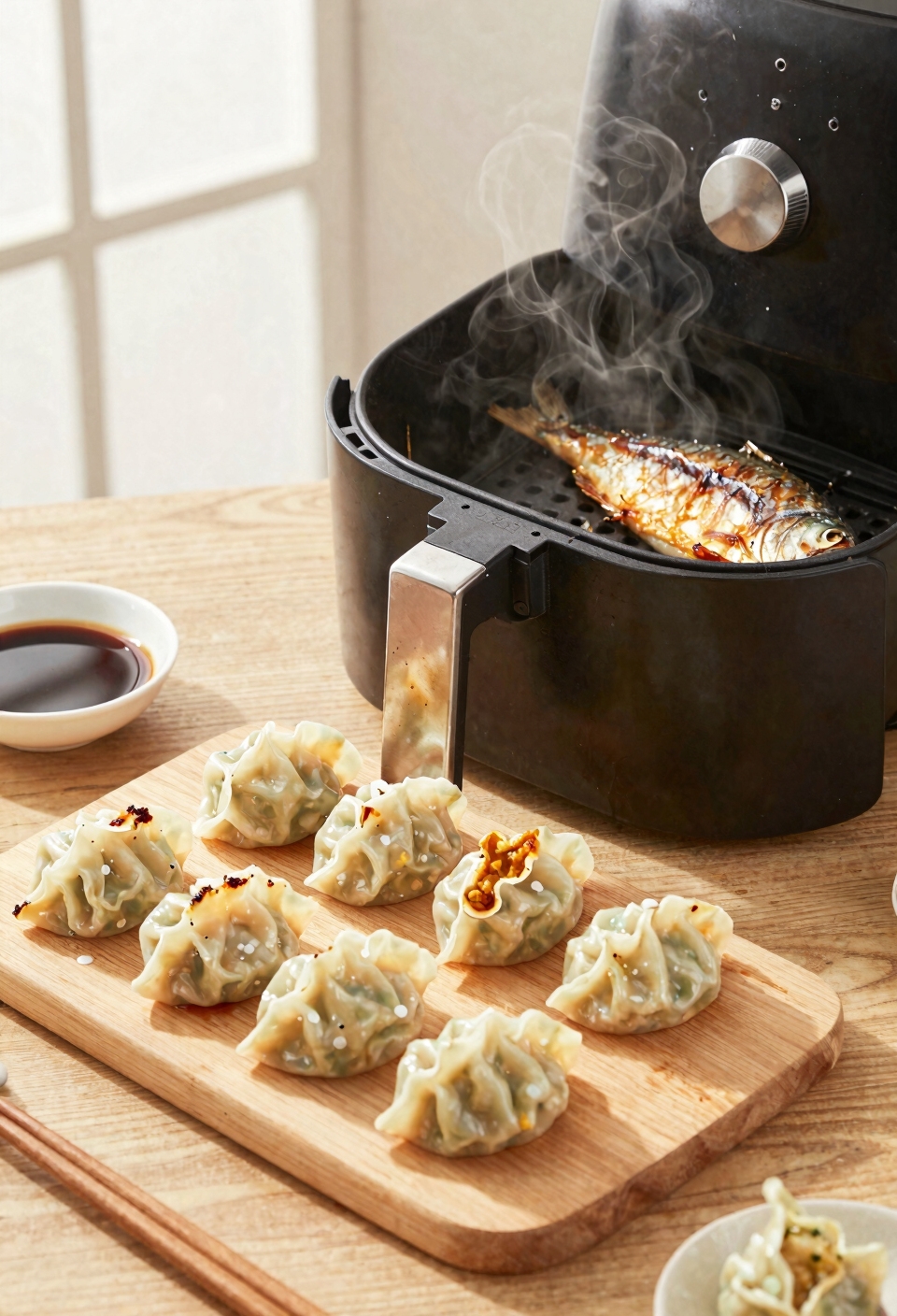
If you’ve ever tried air frying delicate fish fillets, you already know the heartbreak—that beautiful tilapia or sole comes out dried out and tough, nothing like what you imagined. The circulating hot air causes excessive moisture loss, and texture loss happens fast. These delicate proteins simply can’t handle the intense, direct heat.
Now, frozen dumplings present a different problem entirely. You get uneven reheating where some edges crisp up burned while the centers stay doughy. The exterior crisps too quickly before the interior cooks through. It’s frustrating because you’re left with an inconsistent bite-to-bite experience.
Look, For fish that can work, follow our guide on how to cook fish in an air fryer with thicker fillets. Baking or sautéing fish gives you way better results. For dumplings, steaming or boiling keeps everything consistent. Skip the air fryer for these—or for fish that can work, use our air fryer fish guide. Your dinner will thank you.
Frequently Asked Questions
Can I Use Parchment Paper or Liners to Prevent Batter From Dripping in My Air Fryer?
I’d recommend against it. While parchment placement might seem helpful, liner breathability is compromised, preventing proper air circulation. You’re better off avoiding battered foods altogether in your air fryer.
What Temperature Should I Use if I Absolutely Must Cook Whole Eggs in an Air Fryer?
If you’re risking it, I’d set mine to 275°F for 15 minutes—though you’ll hold your breath watching for shell cracking methods and soft boiled timing complications before that yolk inevitably explodes inside.
Are There Any Cheese-Filled Foods That Work Well in Air Fryers Without Leaking?
I’d honestly recommend avoiding most cheese-filled foods in air fryers. While mozzarella sticks and cheese stuffed meatballs sound tempting, they’ll leak excessively. You’re better off using traditional cooking methods for cleaner results.
Can I Add Sauce to Foods After Air Frying Them Instead of Cooking With Sauce?
I’ve got good news for you. Yes, you can absolutely add sauce after air frying. This sauce timing strategy actually enhances flavor layering, giving you better control and preventing the messy splatter issues entirely.
Which Types of Fish Fillets Are Thicker and More Forgiving in Air Fryers Than Tilapia?
I’d recommend trying cod thicker fillets or halibut steaks in your air fryer. They’re heartier than tilapia and won’t dry out as quickly. Their denser flesh handles the circulating heat better, giving you more forgiving results.
Conclusion
Look, here’s the thing—your air fryer’s amazing, but it’s not a miracle worker. Those foods I mentioned? They’ll wreck your machine or turn into a mess. So why keep torturing yourself trying to force them in there? Stick with what works: fries, wings, vegetables, breads. Save yourself the cleanup headache and the disappointment. Your air fryer will thank you, and honestly, so will your sanity.