As an Amazon Associate, we earn from qualifying purchases. Some links on this site are affiliate links at no extra cost to you. Our recommendations are based on thorough research and editorial judgment.

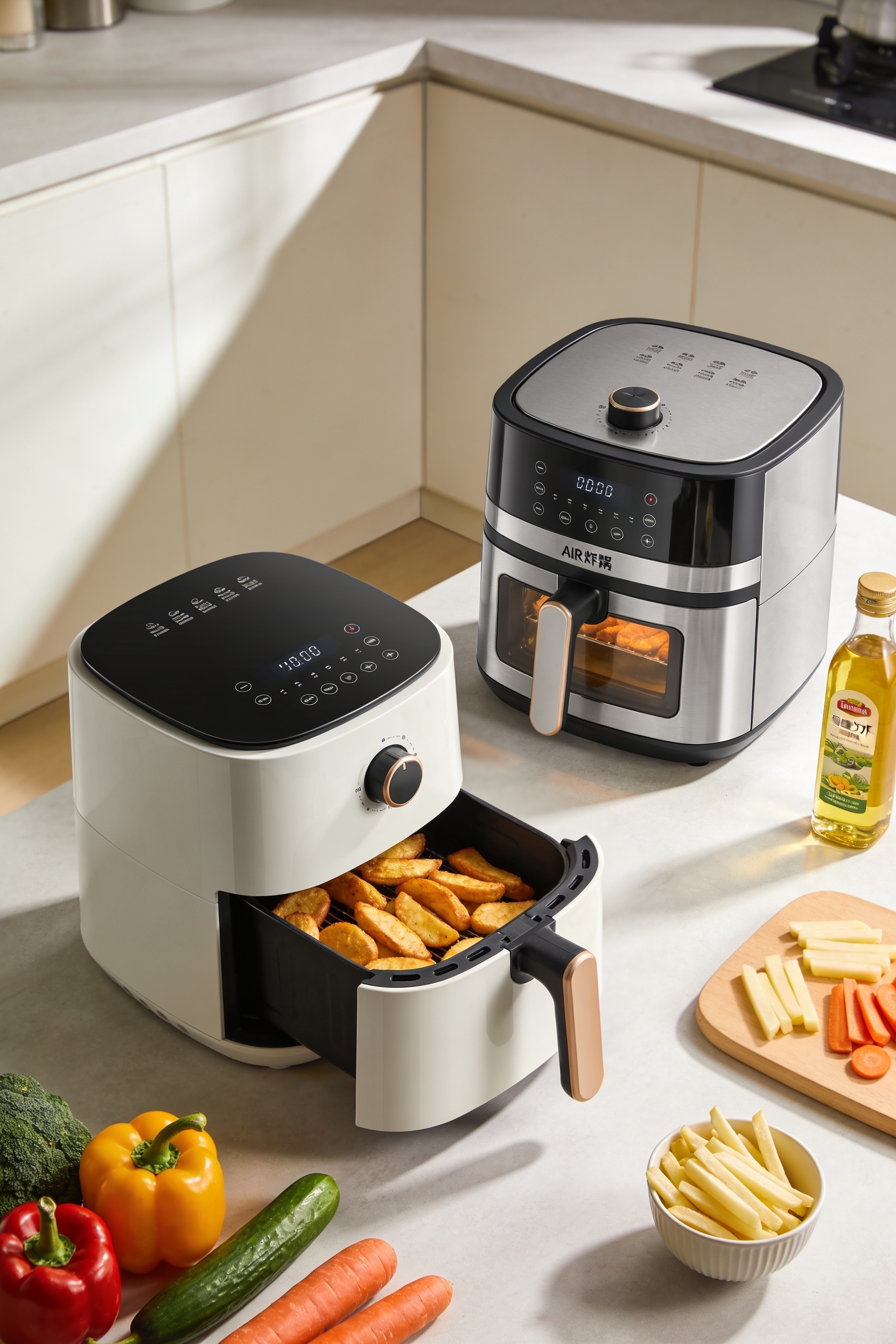
Air Fryer vs Deep Fryer: Which Is Healthier?

Air fryers cut fat by up to 75% compared to deep fryers—that’s a massive difference for your heart and waistline. Look, air fryers use minimal oil while deep fryers basically drown your food in it. You’ll digest air-fried meals easier, skip the post-meal bloat, and enjoy crispy results without the grease. Deep frying’s fine occasionally, but if you’re serious about cardiovascular health, air frying’s your everyday winner. The taste and texture story gets more interesting though.
Key Takeaways
- Air fryers reduce fat content by up to 75% compared to deep frying, making meals easier to digest and lighter.
- Air frying protects heart health by minimizing added oil and preventing fat oxidation that occurs during deep submersion.
- Deep-fried foods linked to cardiovascular mortality; air frying recommended for everyday use when prioritizing health and weight management.
- Air frying retains more natural water content and micronutrients while eliminating pools of hot oil hazards and safety risks.
- Balanced approach allows occasional deep-fried indulgences without strict deprivation while maintaining air frying as the everyday healthy cooking method.
The Fat Content Difference: How Air Frying Cuts Calories by 75
When you air fry instead of deep fry, you’re cutting the fat content by up to 75%, and that’s not just a marketing claim—it’s the real difference between a meal that sits heavy in your stomach and one that doesn’t. Here’s the thing: deep frying submerges food in oil, meaning your food absorbs all that fat. Air fryers? They use minimal oil while relying on texture chemistry—converting surface water to steam for that crispiness you want. The result is easier-to-digest meals with better micronutrient retention since less fat oxidation occurs. You’re getting lighter food without sacrificing crunch. That’s not a compromise; that’s just smarter cooking. Your body will thank you.
Oil Usage Explained: Why Less Oil Means Healthier Meals

Now that we’ve covered how air frying slashes fat content, let’s talk about the real reason that happens—oil usage. Here’s the thing: air fryers use minimal oil as an ingredient, not a cooking medium. Deep fryers? They submerge your food completely, which doubles your oil costs and safety risks right there. With air frying, you’re getting that crispy finish without excess oil clinging to everything. The oil’s smoke point matters too—you want something stable at high temperatures. All right, when you choose air frying, you’re controlling exactly how much fat enters your meal. Deep frying forces absorption through submersion. You’re basically deciding between intentional seasoning and involuntary grease soaking. That’s the fundamental difference.
How Each Cooking Method Works
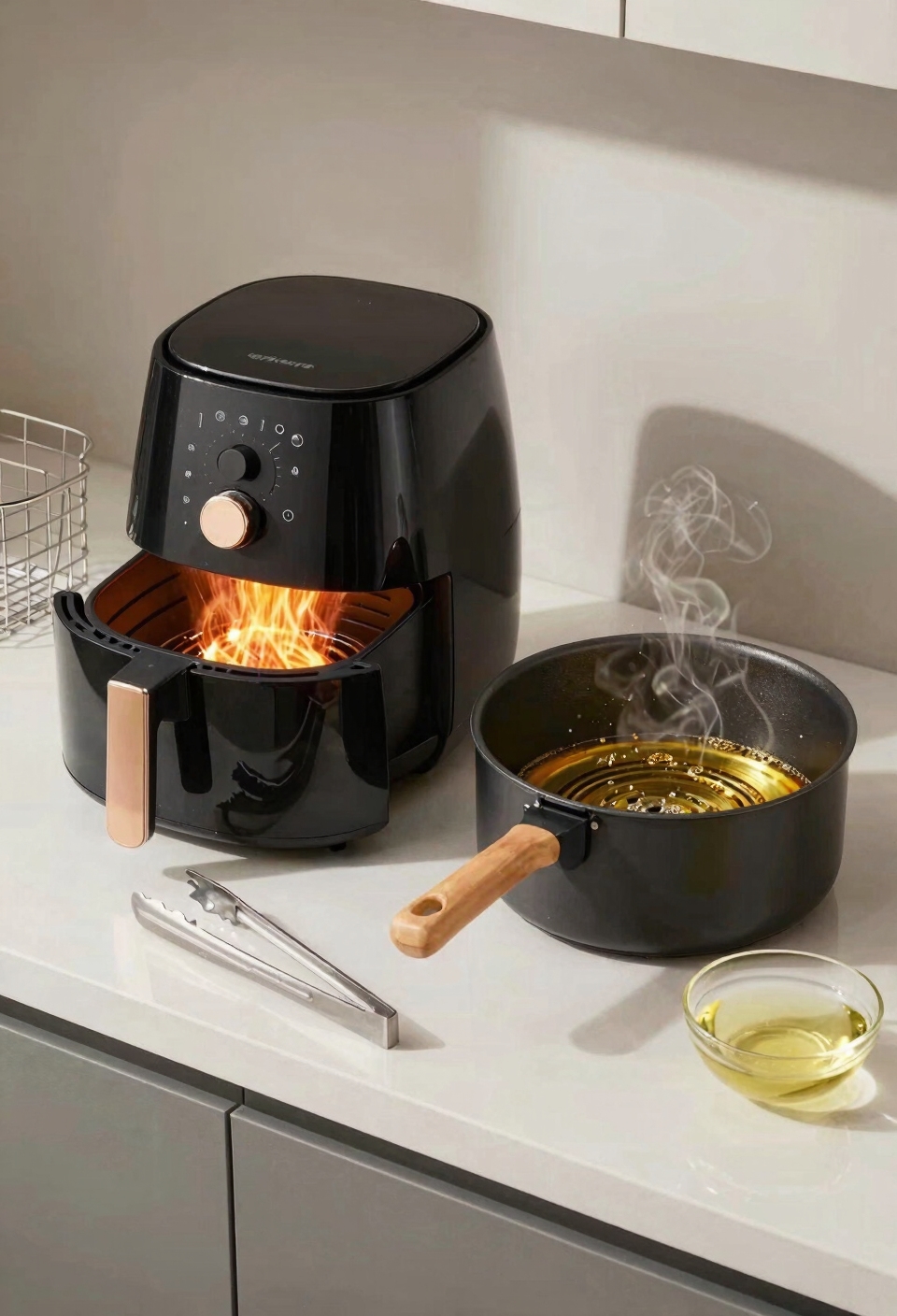
Here’s the thing: air fryers rely on intense airflow dynamics to circulate superheated air around your food. That rushing air converts surface moisture into steam, which creates crispiness without drowning everything in oil. Deep fryers, meanwhile, submerge food directly in hot oil for rapid cooking.
The moisture retention difference is huge. Air frying keeps your food’s natural water content, then strategically converts it to steam. Deep frying strips that away fast, forcing oil to fill the gaps instead.
Now, air frying takes longer because of those water evaporation stages. But you’re trading speed for health, and honestly? That trade-off feels pretty worth it.
Cardiovascular Health: What the Science Says About Fried Foods
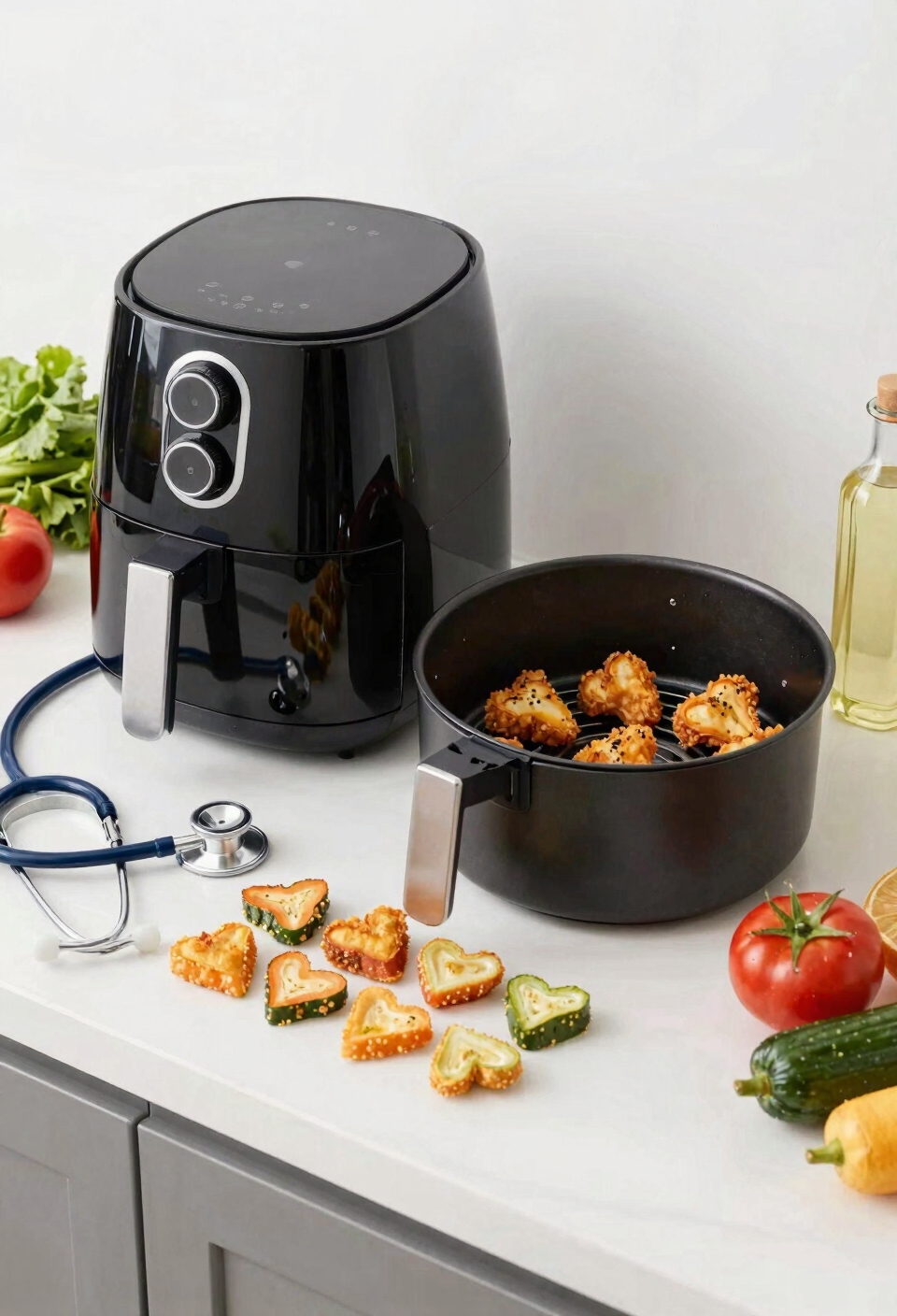
Because deep-fried foods are linked to cardiovascular mortality, what you choose to fry in actually matters for your heart. Here’s the thing: when you deep fry, you’re not just adding calories. You’re creating conditions for cardiovascular inflammation and arterial plaque buildup. The oil submersion process transforms unsaturated fats into saturated ones, which your arteries really don’t appreciate. Air frying sidesteps this problem entirely. By using minimal oil and relying on steam and heat circulation, you’re protecting your heart without sacrificing that crispy texture you crave. Now, I’m not saying you can never deep fry again. But regularly? That’s a conversation you should have with your cardiologist, not your cravings.
Air-Fried vs. Deep-Fried: Taste and Texture Showdown
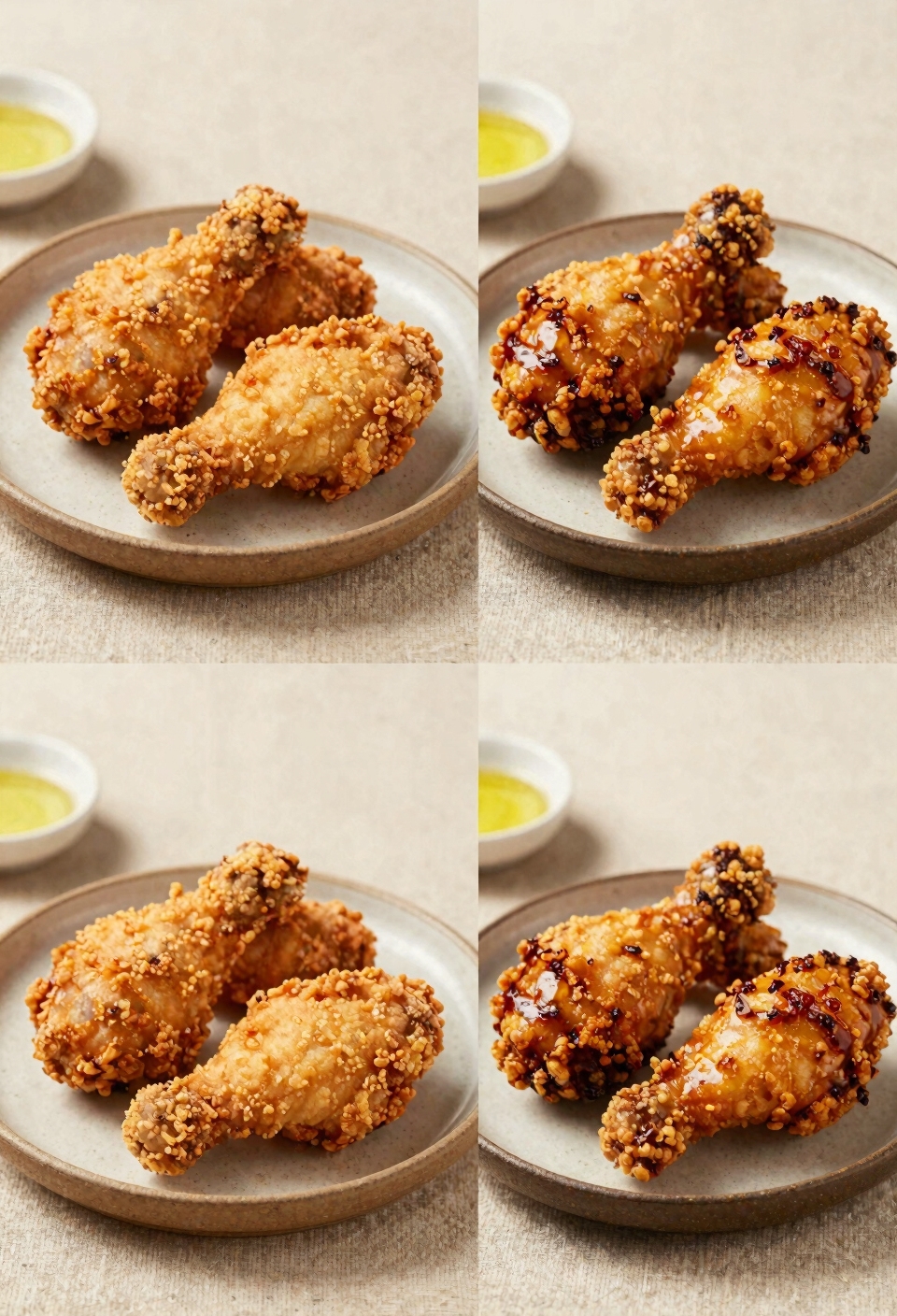
Look, we’ve covered why air frying is better for your heart—but let’s be honest, health benefits don’t mean much if your food tastes like disappointment.
Here’s the truth: deep-fried foods deliver that unbeatable crispy texture and rich golden flavor you crave. They’re indulgent, classic, satisfying. Air fryers? They give you a caramelized finish and genuine crunch with way less grease coating everything.
Your seasonal pairings matter here. Summer fries hit different whether they’re air-fried or deep-fried, depending on regional preferences in your area. That said, air-fried fries genuinely satisfy without leaving you feeling weighed down afterward.
I won’t pretend air-fried food equals deep-fried perfection every time. But for regular eating without the guilt? Air frying wins the everyday battle.
Air Fryer Speed vs. Deep Fryer Speed: Why Timing Matters
While you’re standing in your kitchen deciding what to cook for dinner, timing can make or break your whole plan. Deep fryers win the speed race—they cook faster through oil submersion. Air fryers take longer because water needs to evaporate through three distinct phases before you get that crispiness you’re after.
Now, here’s the thing: preheating effects matter more than you’d think. Deep fryers heat up quicker, but air fryers require that extended settling period. If you’re doing batch cooking, though, the time difference shrinks. You’re not preheating between batches anyway.
Look, I’ll be honest—deep frying beats air frying on pure speed. But that extra five minutes? Worth it when you’re eating healthier without the grease.
Digestibility and Satiety: Why Air-Fried Foods Feel Lighter
You know that heavy, sluggish feeling you get after demolishing a basket of deep-fried food? That’s not your imagination. Air-fried foods feel lighter because they use minimal oil, making them genuinely easier on your gut. Your digestive system doesn’t have to work as hard breaking down excess grease.
Here’s the thing: less fat means better gut comfort. You’ll notice you’re not fighting that post-meal bloat. Air-fried meals also support healthier meal pacing since you won’t feel weighed down mid-afternoon. Deep-fried foods pack serious saturated fat, which slows digestion and leaves you feeling stuck.
With air frying, you get that satisfying crunch without the regret. Your stomach thanks you later.
Safety Risks: Hot Oil Hazards in Deep Frying
When you’re standing over a vat of oil heated to 350°F or higher, things can go wrong fast. Oil splatter is basically inevitable—one splash and you’re dealing with serious burn injuries that’ll send you to urgent care. I’ve seen it happen, and it’s not pretty.
Deep fryers demand constant vigilance. You’re handling massive amounts of dangerously hot liquid, which means spills, splatters, and accidental contact are genuine risks. Kids in the kitchen? Forget it. The danger zone’s real.
Air fryers eliminate this entire problem. No hot oil means no splatter burns, no oil-handling injuries, no worst-case scenarios. You still need to respect the heat coming out, obviously, but you’re working with circulating air, not a literal pool of danger. That’s genuinely safer for your whole family.
Practical Cleanup: Why Air Fryers Win on Convenience
Let’s talk about what happens after the cooking’s done, because honestly, that’s where air fryers really shine. You’re not scrubbing grease off every surface in your kitchen. With deep frying, oil splatters everywhere—your stovetop, your clothes, your soul. Air fryers? Minimal mess.
Now, for maintenance tips: most air fryer baskets are nonstick and dishwasher-safe. You rinse, maybe wipe, done. Storage solutions matter too—these compact machines fit easily in cabinets or on countertops without hogging space. Deep fryers demand dedicated real estate and constant oil management.
Look, I’m not saying air fryers are magic. But cleanup shouldn’t feel like a second job. You’ve already cooked dinner. Don’t let the aftermath ruin your evening.
Choose Your Method Based on Health Goals
All right, so we’ve covered the cleanup situation—and honestly, that alone might push some of you toward an air fryer. But here’s the real talk: your choice should match your health goals, not just your laziness level.
If you’re watching calories or managing cholesterol, air frying’s your friend. It reduces fat by up to 75% compared to deep frying, which matters when you’re doing meal planning around specific targets. Air-fried foods let you nail portion control without feeling deprived—you get crispy satisfaction with way less guilt.
Now, deep frying occasionally? That’s fine. Nobody needs to live like a monk. But if you’re serious about cardiovascular health or weight management, air frying becomes your everyday workhorse.
Frequently Asked Questions
Can Air Fryers Achieve the Same Golden Color and Flavor as Deep Fryers?
Air fryers can’t fully match deep frying’s rich golden flavor, though I’ve found their texture mimicry impressive. I appreciate their caramelized finish and crunch, but deep fryers’ flavor enhancement remains superior for that indulgent, classic experience you’re craving.
What Specific Foods Work Best in Air Fryers Versus Traditional Deep Fryers?
I’d recommend air frying breaded vegetables, frozen snacks, and delicate seafood since they cook evenly without excessive oil. Deep fryers excel with thick cut fries, delivering that indulgent golden texture you’re craving for occasional treats.
How Often Can I Safely Enjoy Deep-Fried Foods Without Health Risks?
You can safely enjoy deep-fried foods occasionally in moderation with proper portion control. I’d recommend limiting them to once weekly or less, especially if you’re monitoring cardiovascular health or cholesterol levels.
Do Air Fryers Work for All Cooking Tasks, or Are There Limitations?
Air fryers aren’t universal—I’d say they’ve got baking limitations and struggle with delicate textures. They’re great for frying and roasting, but you’ll want your oven for baked goods and foods requiring moisture retention.
What Is the Initial Cost Difference Between Air Fryers and Deep Fryers?
I’ve found air fryers cost more upfront—typically $100-$300 versus deep fryers at $30-$80. Think of it like buying quality shoes; I’m paying more initially but saving on replacement costs and oil expenses long-term.
Conclusion
Look, I get it—you’re worried air fryers won’t deliver that crispy satisfaction you crave. But they actually do. You’re cutting roughly 75% of the fat without sacrificing texture or taste. Your heart will thank you, cleanup’s easier, and honestly? Once you go air fryer, deep frying feels like a hassle. Choose based on your health goals, but I’m betting you’ll find the air fryer wins on every front that actually matters.