As an Amazon Associate, we earn from qualifying purchases. Some links on this site are affiliate links at no extra cost to you. Our recommendations are based on thorough research and editorial judgment.

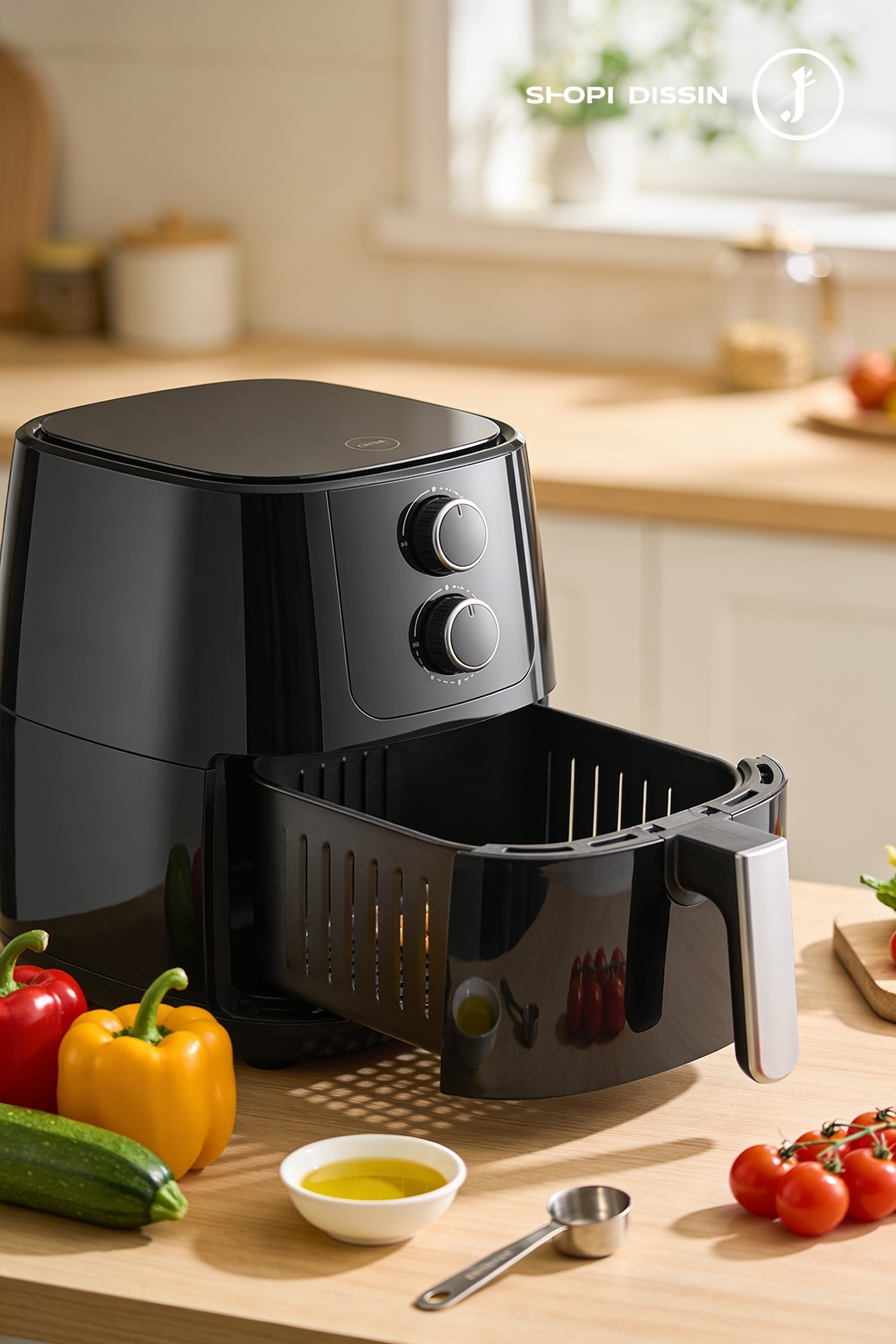
Is Air Frying Actually a Healthy Cooking Method?

Air frying’s not magic, but it’s genuinely useful. You’ll cut calories by up to 80% compared to deep frying since you’re using a tablespoon of oil instead of a vat. The real catch? It only works if you’re cooking actual food—vegetables, lean proteins, whole grains. Dump frozen nuggets in there and you’ve still got nuggets. The method matters less than what you choose to fry.
Key Takeaways
- Air frying uses rapid hot air circulation to achieve crispy texture with ~80% fewer calories than deep frying.
- Acrylamide formation from browning is reduced by up to 90% compared to traditional deep frying methods.
- Air fryer success depends on choosing whole foods like vegetables and lean proteins, not processed ingredients.
- Limiting oil to one tablespoon or light spray maintains health benefits while preventing excessive fat absorption.
- The cooking method alone cannot make unhealthy foods nutritious; intentional ingredient and portion choices matter most.
How Air Fryers Work
Ever wonder why air fryers became the kitchen gadget everyone suddenly needed? Here’s the thing—they’re basically mini convection ovens that work their magic through rapid convection. A powerful fan circulates scorching hot air around your food, reaching temperatures up to 400 degrees. This concentrated heat creates that crispy exterior you’re craving while keeping the inside moist and tender.
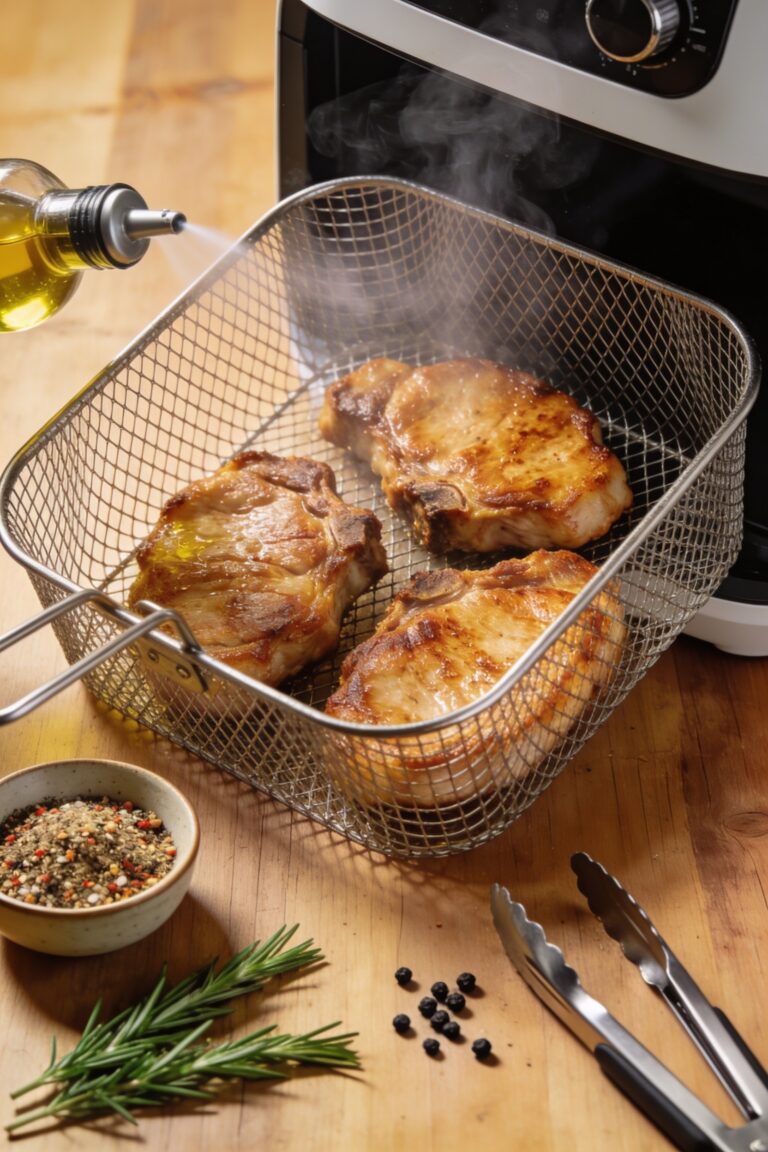
The basket airflow is vital. Hot air constantly surrounds whatever you’re cooking, caramelizing vegetables and crisping chicken without deep frying. You get that fried texture without dunking everything in oil. Now, does it actually need oil? A light spritz helps, but you’re talking about a tablespoon, not a cup. That’s the real game-changer right there.
Why Air Frying Cuts Fat and Calories
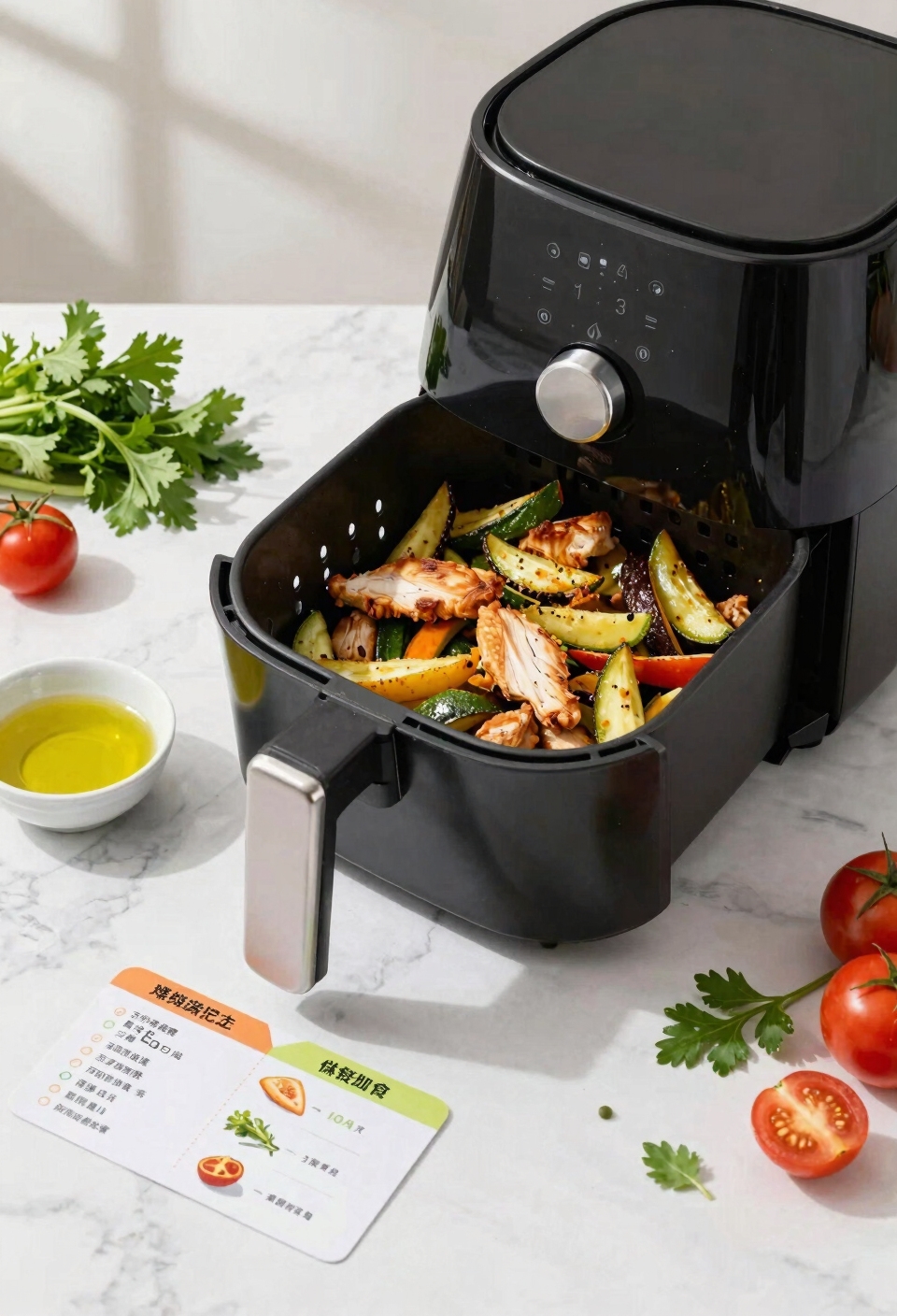
Now that you know how air fryers actually work their magic, let’s talk about what that means for your waistline. Here’s the thing: air fryers cut calories by up to 80% compared to deep frying because of smart oil substitution. Instead of dunking food in a vat of grease, you’re using just a tablespoon or a light spray. That’s a massive difference.
The reduced calories add up fast. Traditional frying soaks your chicken or fries in oil, packing on fat grams. Air frying gets you that same crispy texture with almost none of that heaviness. You’re still getting delicious food—just without the guilt. Your body notices the difference, and so does your energy level.
Acrylamide in Air-Fried Foods: What You Should Know
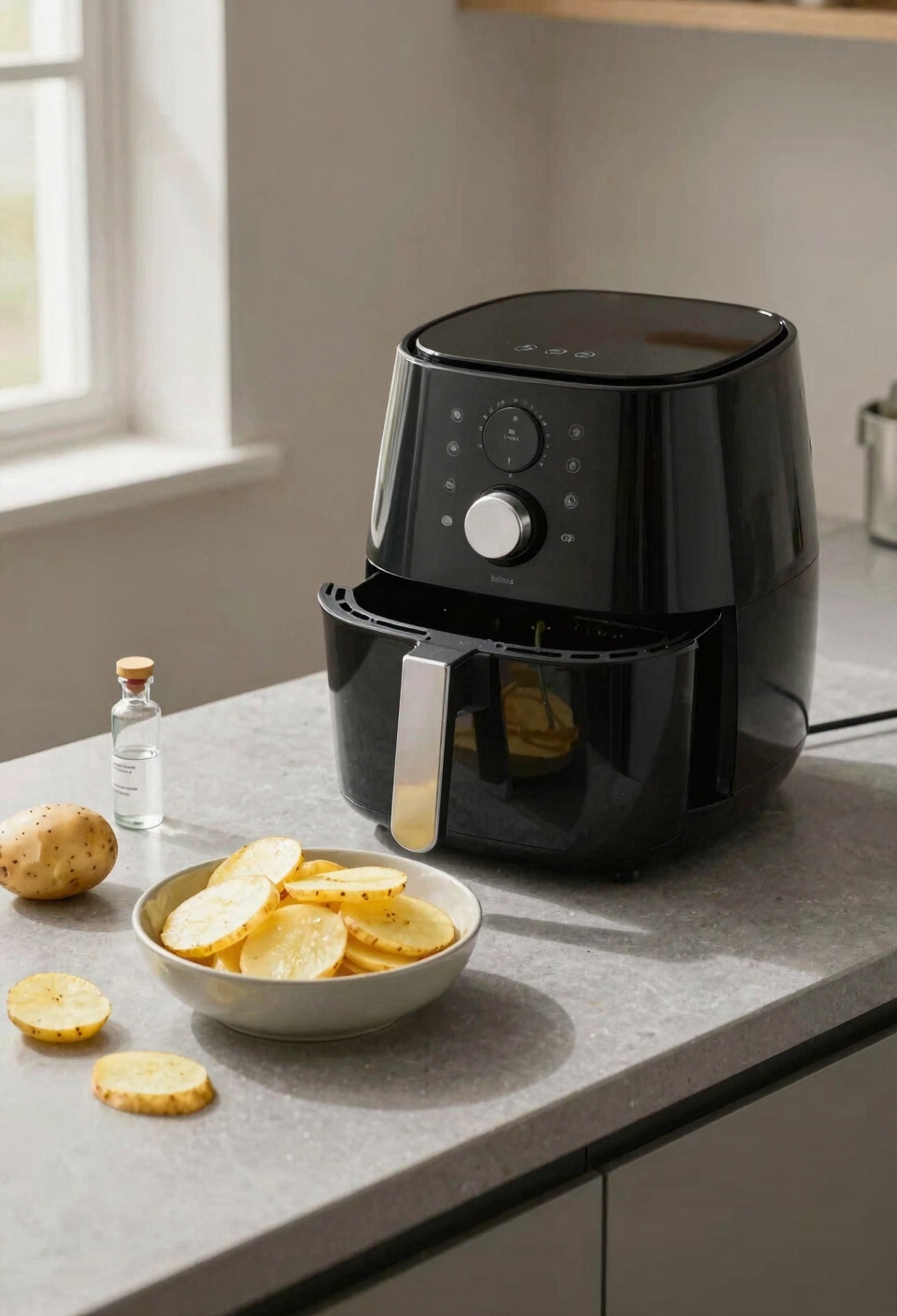
While air fryers are clearly a smarter choice than deep frying, there’s one chemical you’ve probably heard whispers about: acrylamide. This compound forms when starchy foods get heated to high temperatures—it’s basically the browning effect we all love. Here’s the thing: air fryers actually reduce acrylamide by up to 90% compared to deep frying, which is genuinely impressive. Now, animal studies suggest high acrylamide doses might pose cancer risks, but you’d need to consume massive amounts to worry. Still, some acrylamide remains in air-fried foods. My mitigation strategies? Don’t char your food black, cook at lower temperatures when possible, and soak potatoes before air frying. You’re already winning by choosing air frying over traditional methods.
How to Maximize Air Fryer Health Benefits
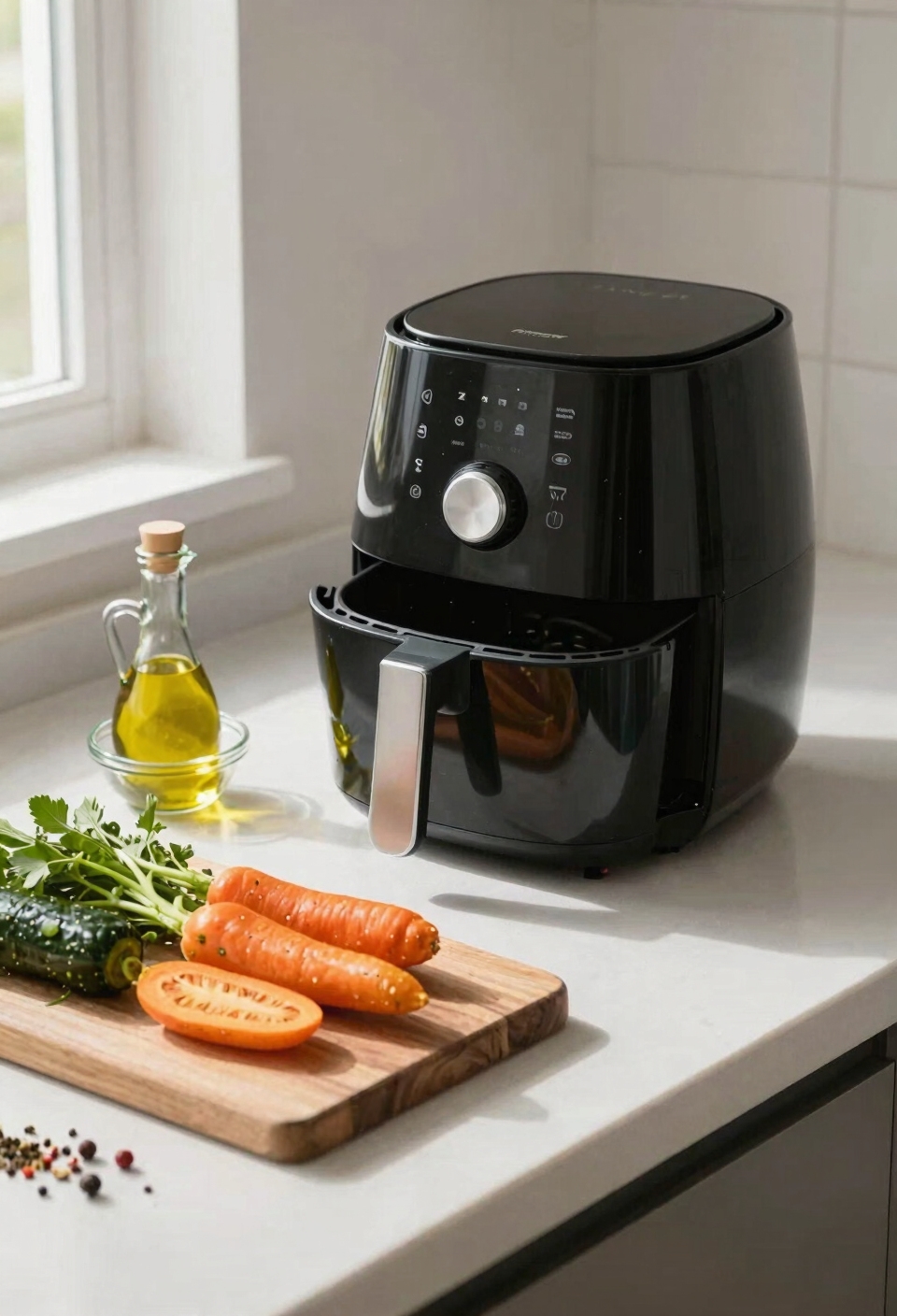
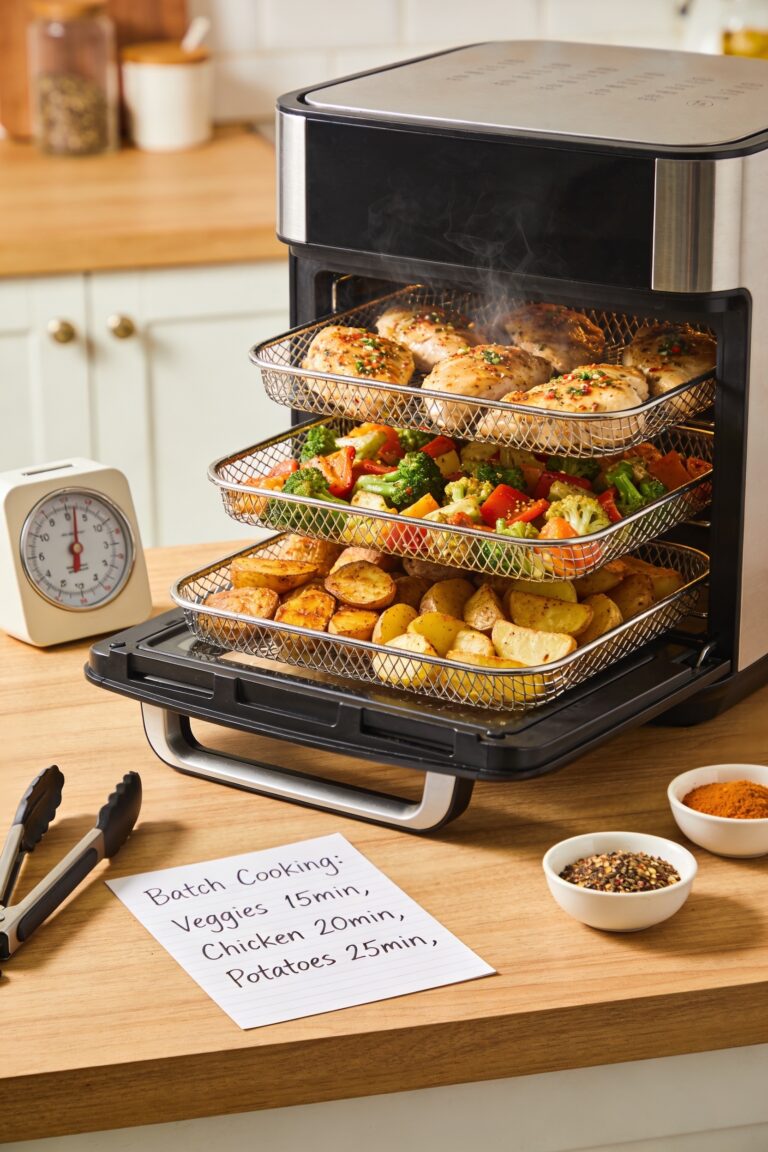
So you’ve got acrylamide under control—good work. Now here’s the thing: your air fryer’s only as healthy as what you put in it. Start with portion control. I know it’s tempting to load that basket, but cramming food means uneven cooking and potential overconsumption. Instead, cook in batches and use smaller portions to stay accountable.
Next, lean into meal planning. Map out your week with lean proteins, vegetables, and whole grains. This keeps you from defaulting to frozen fries at 9 p.m. Use just a tablespoon of oil or a quick spray—you don’t need more. The real magic happens when you treat your air fryer as a tool for intentional eating, not a permission slip for unhealthy ingredients.
What Air Fryers Can’t Fix
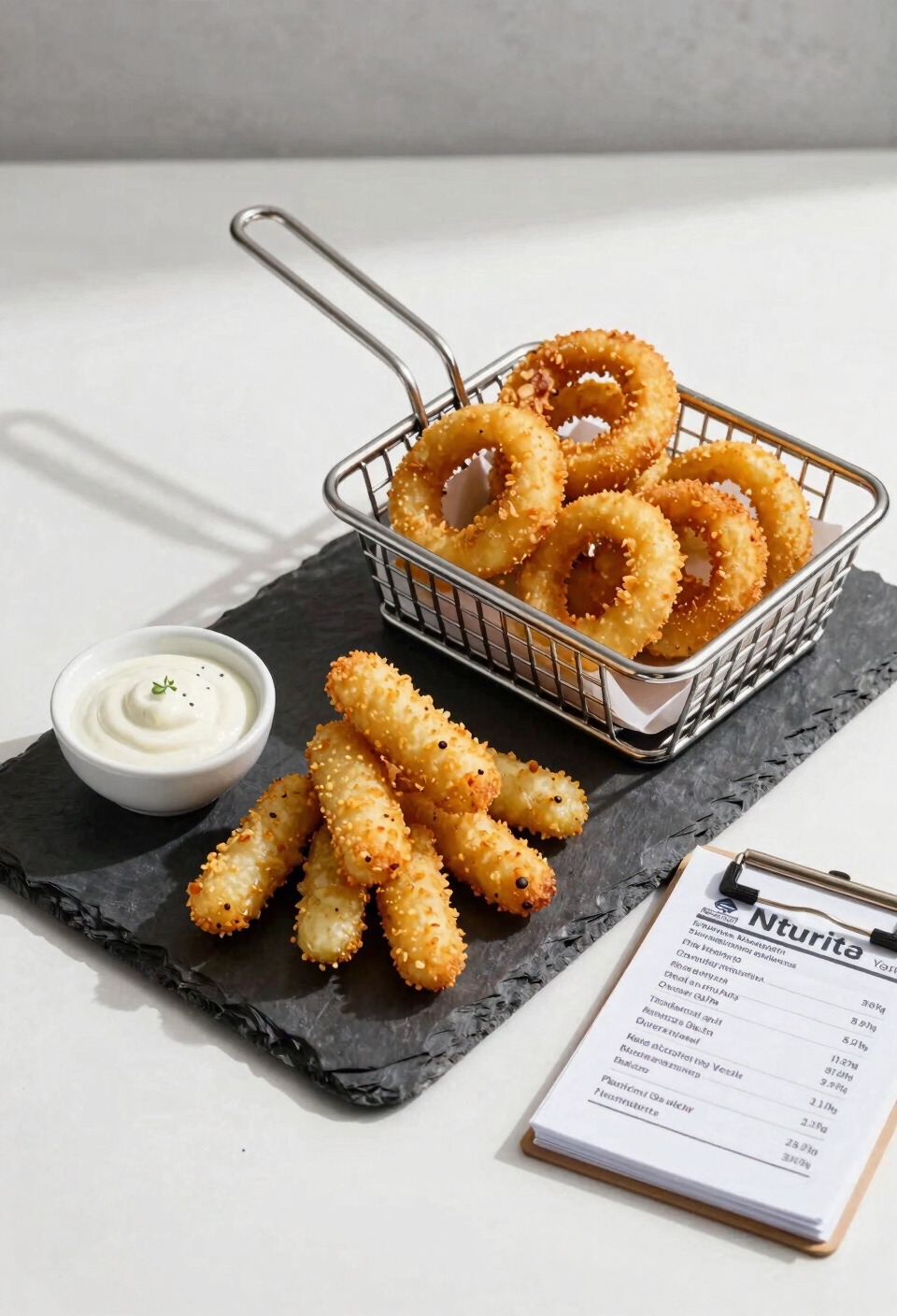
an air fryer is a tool, not a magic wand.
I can’t transform bacon into a heart-healthy breakfast, and neither can yours. Air frying won’t suddenly load limited nutrients into processed foods. Texture myths suggest air fryers replicate deep-fried perfection exactly—they don’t, and that’s okay.
The real deal? Your air fryer depends entirely on what you put inside it. Choosing lean proteins, fresh vegetables, and whole grains matters way more than the cooking method. You could air fry junk food daily and still eat poorly.
Look, I genuinely love my air fryer. But I’m honest about its role. It’s a convenient, healthier way to cook real food. That’s it. You’re still responsible for making choices that actually nourish you.
Air-Fried Foods Worth Eating vs. Skip
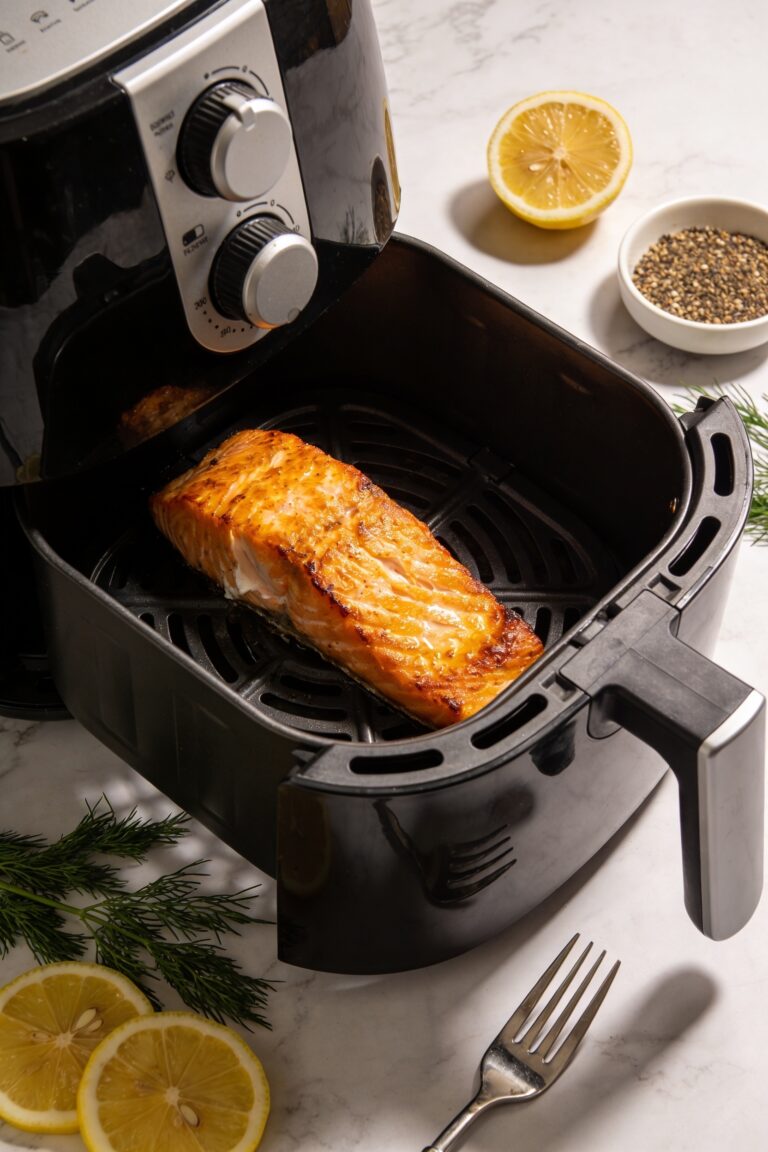
Now that we’ve established your air fryer isn’t a nutritional miracle worker, let’s get practical about what actually deserves basket space. I’d prioritize vegetables and lean proteins—salmon, chicken breast, Brussels sprouts. These genuinely benefit from air frying’s speed and crispiness without needing heavy oils. For snack swaps, consider air-fried chickpeas or homemade veggie chips instead of store-bought versions loaded with sodium. Skip the frozen fries and processed nuggets unless you’re using portion control to limit them as occasional treats. The real wins happen when you’re intentional about what goes in. Your air fryer excels at making wholesome foods convenient, not transforming junk food into health food. That’s the honest takeaway.
The Real Health Verdict: When to Use Air Frying
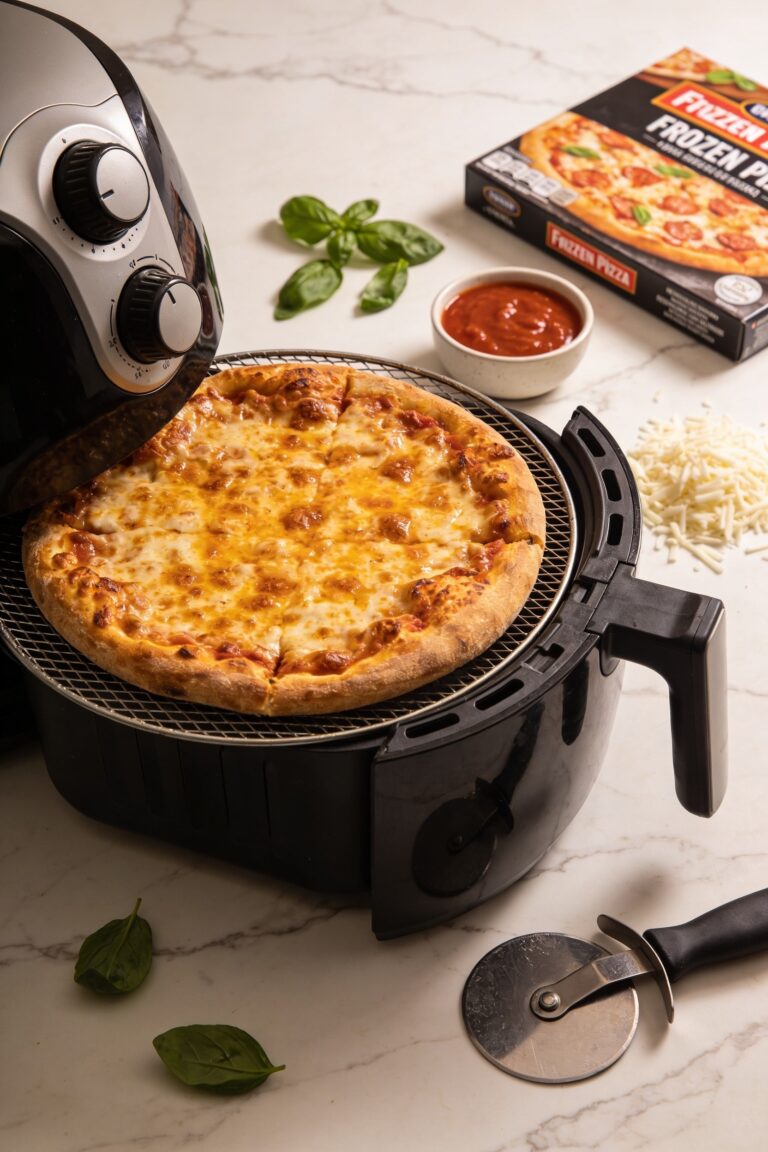
After all the hype dies down, here’s what I’ve learned: your air fryer isn’t a health hero or a kitchen gimmick—it’s a tool that works best when you’re intentional about using it. Look, I use mine most for meal planning because it cuts cooking time markedly. But here’s the thing: the method matters far less than what you’re actually cooking. Air frying chicken breast with roasted broccoli? Smart choice. Air frying frozen pizza every night? That’s still pizza. I’ve found success pairing my air fryer with portion control—smaller plates, intentional servings. The real health verdict is this: you’ll see genuine benefits only when you’re choosing whole foods and being deliberate about your choices.
Frequently Asked Questions
Can I Use My Air Fryer Every Day Without Health Concerns?
Yes, I can use my air fryer daily without health concerns if I’m mindful of what I cook. Focus on lean proteins and vegetables, use oil alternatives like cooking spray, and maintain daily maintenance for peak results.
How Does Air Frying Compare Nutritionally to Other Cooking Methods Like Grilling?
I’d say air frying absolutely demolishes grilling for texture retention and nutrient preservation. While grilling risks charring and acrylamide formation, air frying’s controlled heat guarantees superior flavor development with minimal harmful chemical production.
Are Air Fryers Energy-Efficient Compared to Traditional Ovens?
I’d say air fryers beat traditional ovens for cooking efficiency. They’ve got faster cooking times and lower electricity consumption, making them more economical. You’ll notice quicker results with minimal energy waste compared to preheating a full-sized oven.
Can Air Fryers Handle Frozen Foods Directly Without Thawing?
Yes, I’ve found air fryers handle frozen foods directly—they’re like magic boxes. Just remove packaging safety concerns first, adjust timing for frozen texture, and you’re cooking faster than thawing ever allowed.
What’s the Ideal Basket Size for a Household of Four?
I’d recommend a 5-6 quart air fryer for your household of four. Check the capacity guide and basket dimensions to make certain you’re cooking adequate portions without overcrowding, which maintains even cooking results.
Conclusion
Look, I’m not saying air fryers are magic. But here’s the thing: they cut fat by up to 80% compared to deep frying, which genuinely matters. You’re getting crispier food without oil’s calorie load. They’re not a health cure-all, though. Use them for real food—not as an excuse to fry everything. You’ll feel the difference, I promise.