As an Amazon Associate, we earn from qualifying purchases. Some links on this site are affiliate links at no extra cost to you. Our recommendations are based on thorough research and editorial judgment.

Why Is My Air Fryer So Loud? Causes and Fixes

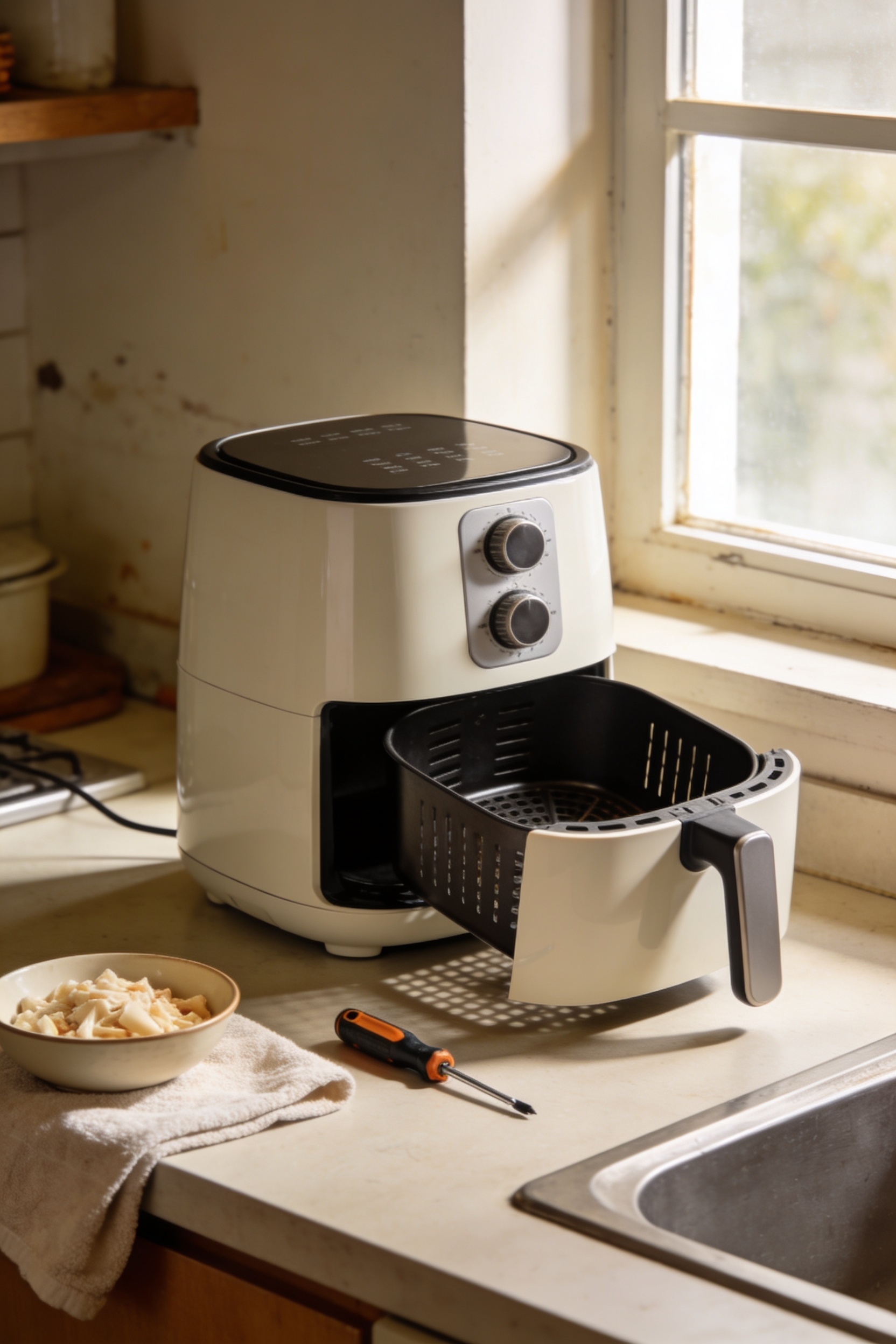
your air fryer’s roaring probably isn’t a death rattle. Most noise comes from grease buildup blocking airflow, forcing the fan to work overtime, or from overstuffing the basket. Quick fixes? Unplug it, wipe down the vents and heating element, tighten any loose parts, and try dampening pads under the feet. If cleaning doesn’t help, you might be dealing with mechanical wear—but we’ll walk through exactly how to tell the difference.
Key Takeaways
- Grease and dirt buildup around vents and heating elements forces the fan to work harder, increasing noise levels significantly.
- Overfilling the basket disrupts airflow patterns and causes the fan to strain, resulting in excessive roaring or loud humming sounds.
- Loose internal or external parts create rattling and amplified sounds that can be tightened to reduce noise immediately.
- Grinding or metallic noises indicate mechanical wear and bearing problems requiring motor component repair or unit replacement.
- Regular cleaning of vents, basket, and heating element every few uses prevents grease accumulation and maintains normal operation noise levels.
Why Your Air Fryer Is Louder Than It Should Be
When your air fryer suddenly sounds like it’s auditioning for a heavy metal band, something’s usually off. Here’s the thing: most excessive noise comes from airflow problems, and I’ve found that grease buildup is the usual culprit. When vents get blocked, your fan has to work overtime, and that’s when things get loud.
Now, fan placement and motor balance matter more than you’d think. If food’s touching the fan area or your basket’s overfilled, you’re disrupting the airflow pattern. That creates buzzing, humming, or roaring sounds that shouldn’t be there.
The good news? Most of these issues are fixable. A thorough cleaning often solves the problem. If the noise persists after you’ve cleaned everything, you might be dealing with mechanical wear that needs professional attention.
Common Causes: Airflow Blockages, Grease, and Overload
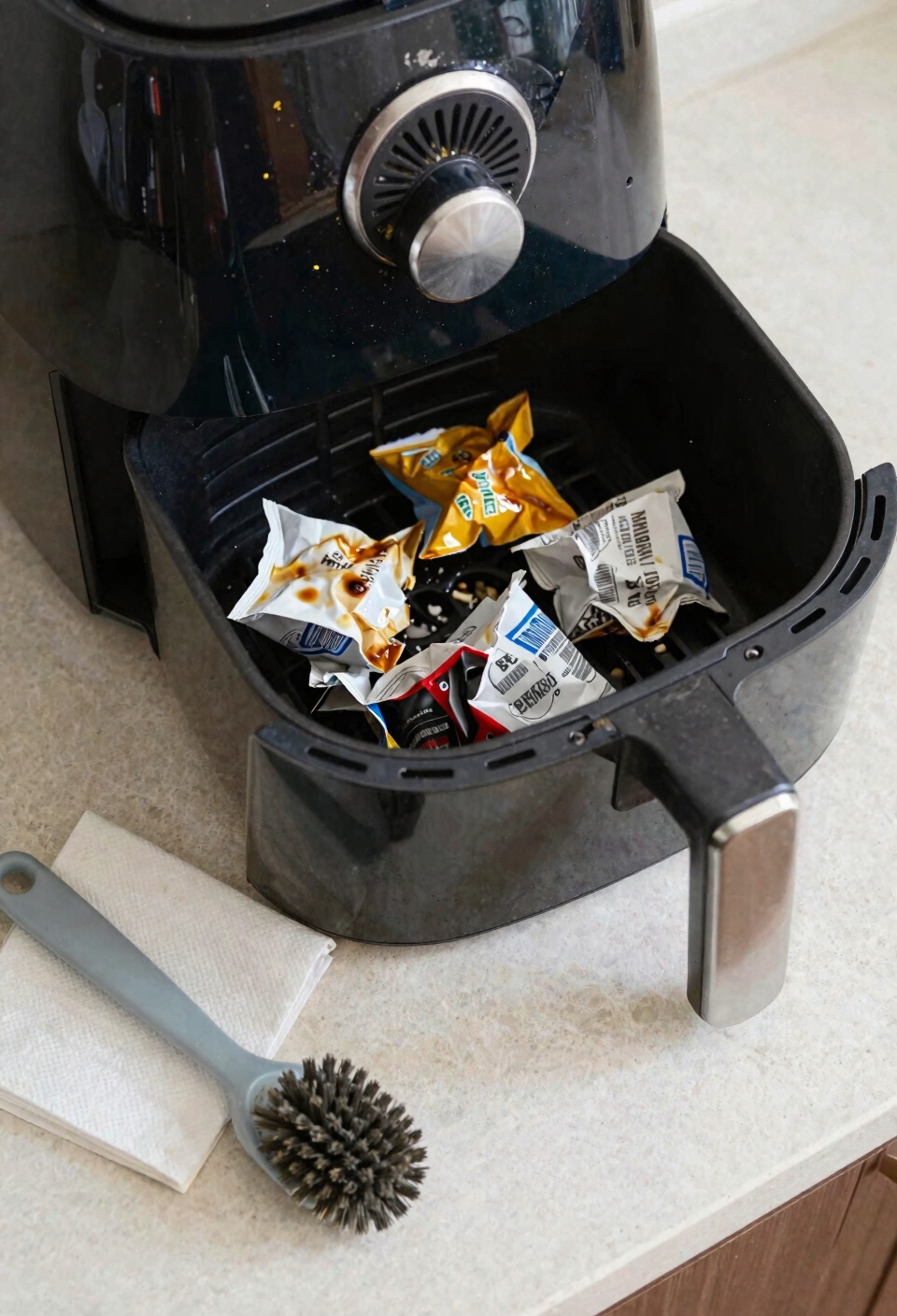
Since your air fryer’s gotten louder, one of three things is probably happening: airflow’s getting blocked, grease is building up, or you’re stuffing too much food inside. Let me break these down.
First, grease accumulation restricts airflow maintenance around your vents and heating element. Your fan works overtime, creating that annoying buzz or hum. Second, dirt buildup does the same thing—it forces your fan to strain harder than it should.
Third, overfilling beyond basket capacity disrupts the whole system. Too much food means chaotic airflow and roaring noise that’ll drive you nuts. The heat can’t circulate properly, and your fryer protests loudly.
Here’s what I’ve learned: most loud air fryers aren’t broken—they’re just clogged or overworked. Clean it out, respect your basket capacity, and you’ll find your peace again.
Air Fryer Noise: Normal vs. Warning Signs
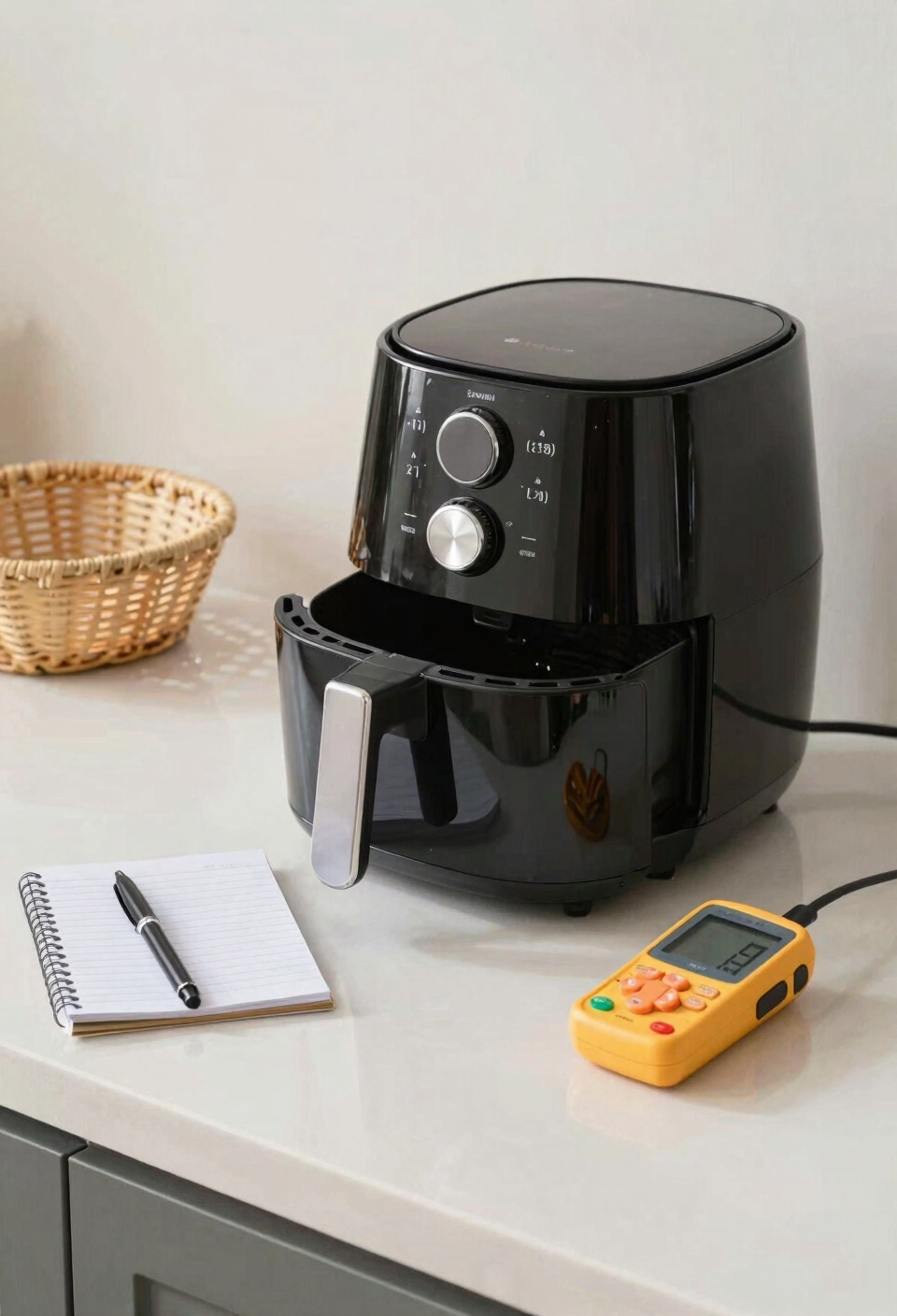
Your air fryer probably makes some noise—that’s totally normal. I know it can feel loud, especially if you’re new to air frying. The fan runs hard to circulate hot air, and that background noise is just part of the deal. Here’s the thing: user expectations matter here. A gentle hum during cooking? Expected. A roaring sound that makes conversation impossible? That’s worth investigating.
Now, listen for sudden changes. If your fryer’s always been reasonably quiet and suddenly sounds like a jet engine, something’s shifted. Grinding or metallic noises aren’t normal—those signal mechanical wear. Same goes for buzzing accompanied by burning smells or visible vibration. Recent onset noise often improves with cleaning, but chronic problems suggest deeper issues.
Quick Fixes You Can Try Today
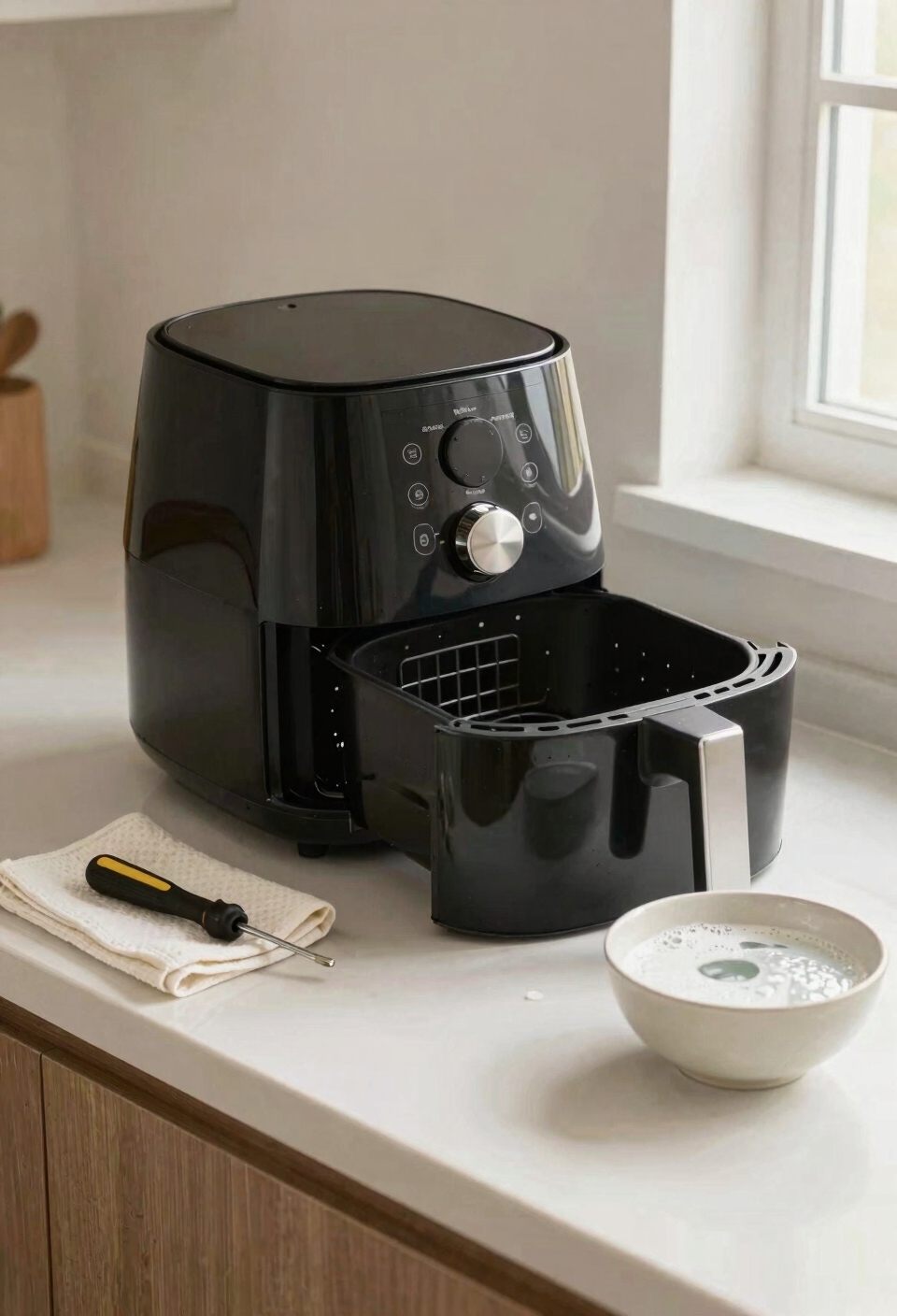
Before you assume your air fryer’s headed for the trash, try these fixes—most noise problems disappear after a good cleaning. Start by unplugging your air fryer and removing the basket and tray. Wipe down the interior, vents, and heating element thoroughly. You’d be surprised how much grease buildup silences things once it’s gone.
Now, check for loose parts rattling around inside. Tighten anything that moves.
If noise persists, consider vibration dampening. DIY pads—those rubber or foam adhesive strips—work wonders under your air fryer’s feet. They absorb vibrations that travel to your countertop, cutting down that annoying rumble markedly.
Test it out. Most people find their air fryer runs noticeably quieter after these simple steps.
The Deep Clean: Step-by-Step Noise Reduction
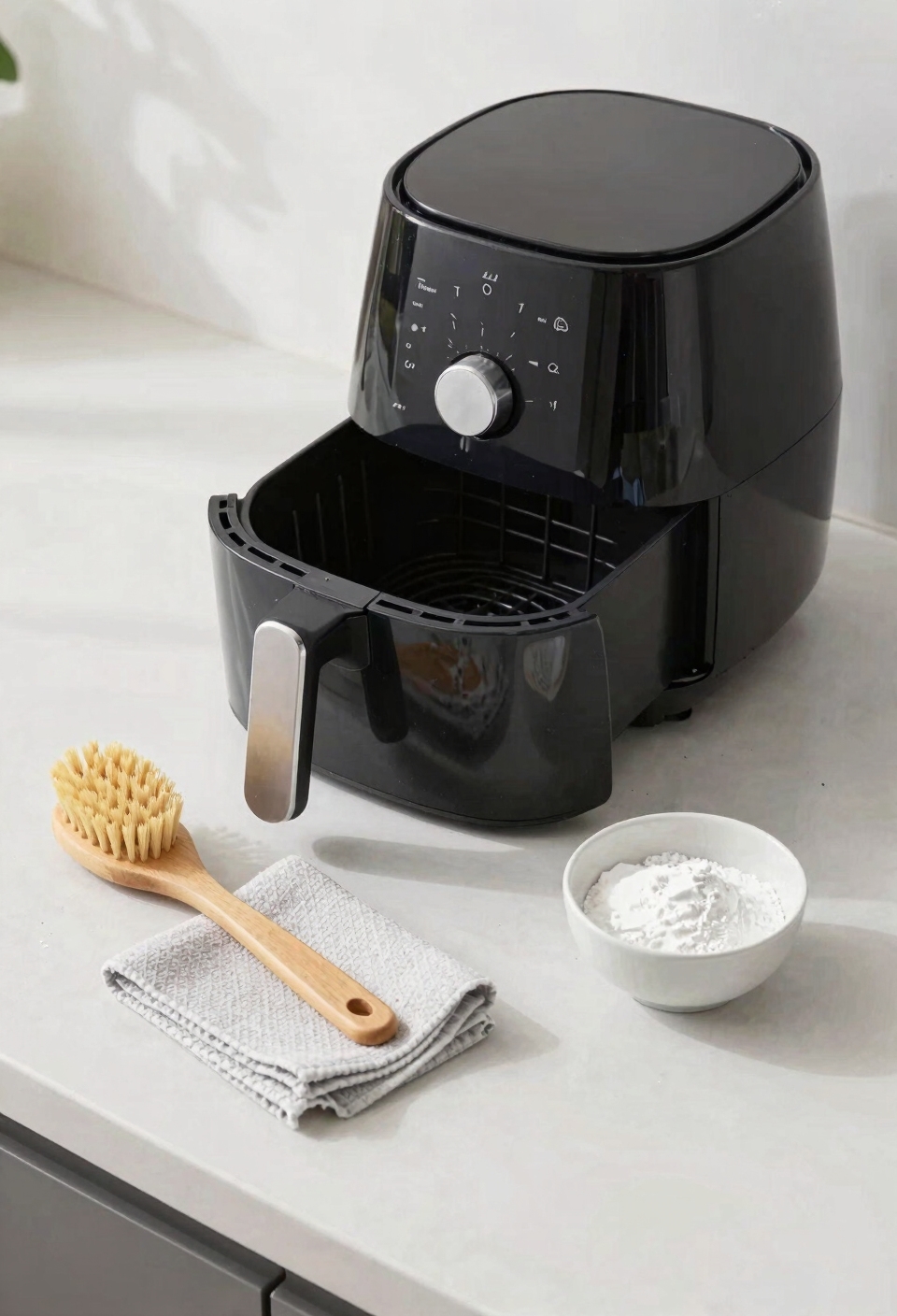
If quick fixes didn’t silence your air fryer, it’s time to go deeper. A thorough deep clean checklist tackles the real culprits behind that annoying noise. Start by unplugging your unit and letting it cool completely—safety first, obviously.
Now, component specific cleaning makes all the difference. Remove your basket and tray, then inspect the vents and interior walls for grease buildup. Use a soft brush or cloth to gently clear debris from the fan area without touching the blades themselves. Wipe down the heating element and check for any loose parts that might vibrate.
Reassemble everything carefully, plug it back in, and test it out. You’ll likely notice a significant noise reduction. This deep clean addresses most airflow-related sounds that plague air fryers.
Diagnosing Abnormal Noise: When It’s Serious
Now here’s where things get tricky—not every noise your air fryer makes means it’s time to panic, but some definitely warrant your attention. Listen for grinding or metallic sounds; those signal serious mechanical wear requiring replacement. Bearing diagnostics matter here—if you’re hearing grinding, the fan’s bearings are likely failing. Check for electrical faults too, especially if noise coincides with burning smells or visible damage. Vibration accompanying the sound? That’s another red flag. Here’s the thing: recent onset noise often improves with cleaning, but chronic worsening suggests deeper problems. Trust your gut. If something feels off beyond typical fan buzzing, don’t ignore it. Your air fryer’s telling you something.
When Cleaning Won’t Help: Signs of Mechanical Wear
You’ve cleaned your air fryer thoroughly—removed the grease, checked the vents, reassembled everything—and that noise is still there, maybe even getting worse. That’s when you know something deeper’s going on.
Look, grinding or metallic sounds point to mechanical wear that cleaning can’t fix. Bearing wear creates that distinctive grinding—it’s your motor’s way of waving a white flag. If the motor shaft is damaged or misaligned, you’ll hear it loud and clear.
Here’s the thing: vibration combined with noise? That’s serious. Add a burning smell to the mix, and you’ve got a problem that needs replacement, not maintenance.
When the noise started recently, fixes work wonders. But chronic problems that persist despite your best efforts? Time to retire that fryer.
Replacement vs. Repair: Which Path to Take
When your air fryer’s making sounds that cleaning didn’t touch, you’re standing at a fork in the road: do you fix it or replace it? Here’s the thing: cost comparison matters here. A new unit runs $50 to $200 depending on size and brand, while repairs might cost $30 to $100 if you DIY or more if you call a pro. Check your warranty considerations first—some manufacturers cover mechanical issues within the first year or two. If your fryer’s still relatively new and covered, repair makes sense. But if it’s older, the grinding noises are worsening, and you’re facing recurring problems, replacement often beats throwing good money after bad.
Preventing Future Noise Issues
The best noise fix is the one you never have to make in the first place, and I’ve found that a little preventive maintenance keeps your air fryer running quiet and efficient. Routine maintenance is your secret weapon here. Clean your basket and vents every few uses, not just when you remember. Don’t let grease accumulate—it’s basically an invitation for fan strain and buzzing sounds. When you’re done cooking, let the unit cool completely before storing it. Keep it in a dry spot away from moisture and dust. These simple storage practices protect internal components from degradation. You’ll spend five minutes now instead of replacing your fryer later.
Frequently Asked Questions
Can Air Fryer Noise Damage My Hearing With Prolonged Exposure?
Yes, prolonged noise exposure from a loud air fryer can damage your hearing. I’d recommend using hearing protection during extended use and addressing the underlying noise issues to reduce your overall noise exposure.
Does Air Fryer Loudness Vary Between Different Brand Models and Sizes?
Yes, I’ve found that brand differences and size variations markedly affect loudness. Compact models typically run quieter than larger units, while premium brands engineer better noise dampening than budget options.
Will Using My Air Fryer at Lower Temperatures Reduce Noise Levels?
Yes, using lower temps’ll reduce noise because your fan won’t work as hard. I’ve found that decreasing the temperature slows the fan speed, which directly lessens the overall sound your air fryer produces during cooking.
Is It Safe to Use a Loud Air Fryer While It Operates?
Yes, it’s safe to use your loud air fryer, but I’d recommend addressing the noise through ventilation maintenance to avoid potential health risks from restricted airflow and accumulated grease buildup during operation.
How Much Does Professional Air Fryer Repair Typically Cost Versus Replacement?
I’d say professional repair costs typically run $75–$150, while replacement pricing ranges from $50–$300 depending on your model. If repairs approach replacement costs, buying new often makes more sense financially.
Conclusion
Look, I get it—you just want a quiet kitchen. But here’s the thing: a little noise doesn’t mean your air fryer’s dying. Most of the time, you’re dealing with something simple like grease buildup or an overstuffed basket. Clean it regularly, don’t overload it, and you’ll find that annoying racket becomes just background hum. Your air fryer’ll thank you, and honestly, so will your sanity.