As an Amazon Associate, we earn from qualifying purchases. Some links on this site are affiliate links at no extra cost to you. Our recommendations are based on thorough research and editorial judgment.

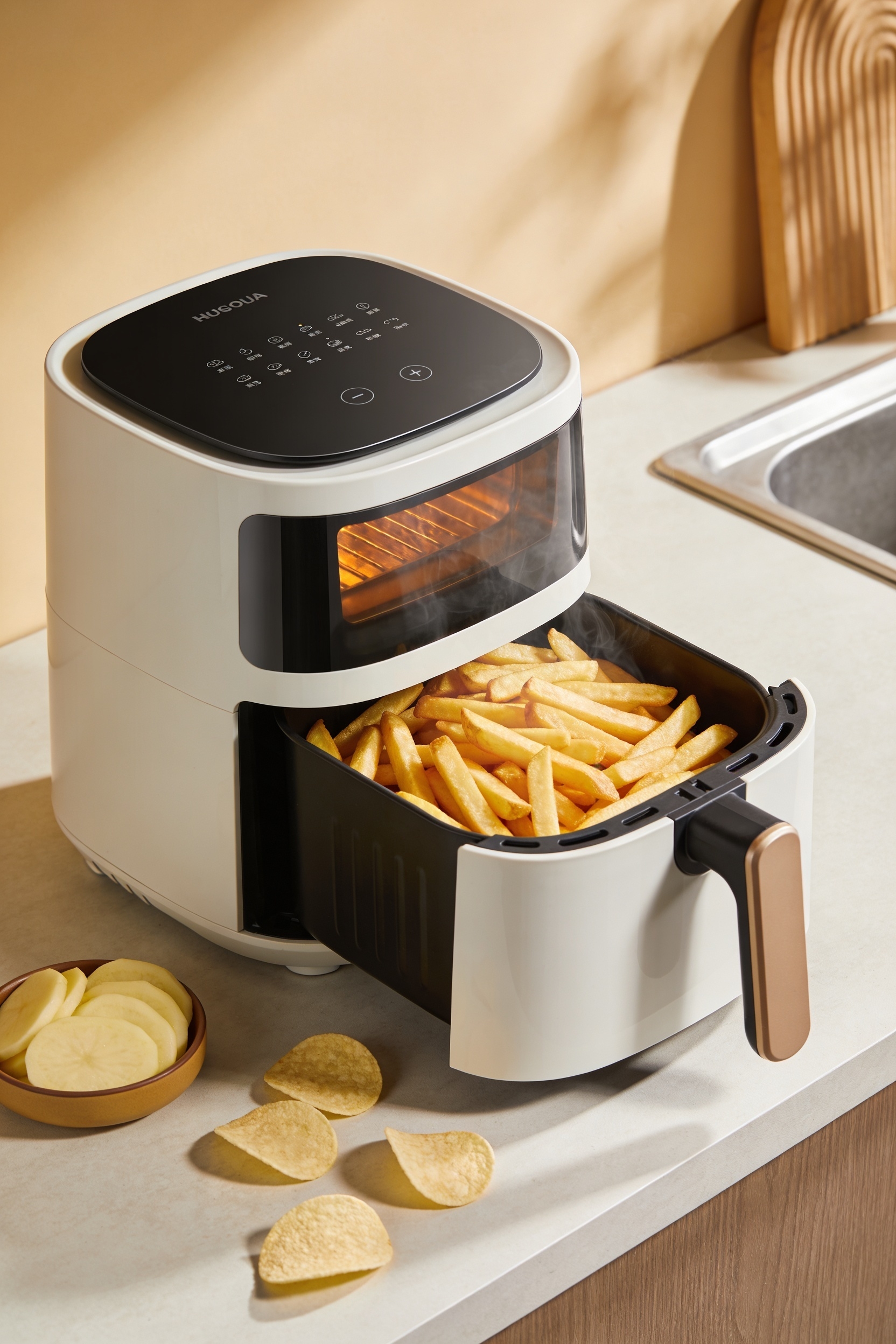
Air Fryer Acrylamide: Should You Be Worried?

Air fryers do produce more acrylamide than deep fryers—that hotter, drier heat creates the crispy texture you love, but it also bumps up this compound formed during browning. The good news? You’d need to eat air-fried foods constantly for it to be a real concern, and there’s no solid evidence it causes cancer in humans. Simple tricks like soaking potatoes and cooking to golden instead of dark brown can cut acrylamide markedly. Occasional air-fried meals fit fine into a balanced diet, but there’s plenty more you can do to minimize it.
Key Takeaways
- Air fryers may produce 30–40% more acrylamide than deep fryers due to hotter, drier cooking environments.
- Occasional dietary acrylamide exposure from air-fried foods poses low risk with no conclusive evidence of human cancer.
- Soaking potatoes for 15 minutes before air frying can reduce acrylamide formation by up to 90%.
- Cook to golden yellow rather than dark brown and avoid maximum temperatures to minimize acrylamide production.
- Air fryers reduce fat and calories versus deep frying, making them healthier when used with moderation.
What Is Acrylamide and How Does It Form?
Ever wonder what actually happens when you’re air frying potatoes and they turn golden brown? That’s Maillard chemistry in action. When foods containing carbohydrates heat above 120°C, sugars and amino acids undergo a series of chemical reactions that create that delicious browning effect—and unfortunately, a compound called acrylamide.
Here’s the thing: acrylamide forms in most foods we cook at high temperatures, from potato chips to toast to baked goods. It’s a probable human carcinogen based on lab studies with animals, which is why food safety experts pay attention to it.
Now, you don’t need to panic. But understanding how and why acrylamide forms helps you make smarter cooking choices. Knowledge is your best kitchen tool here.
Does Air Frying Create More Acrylamide Than Other Methods?
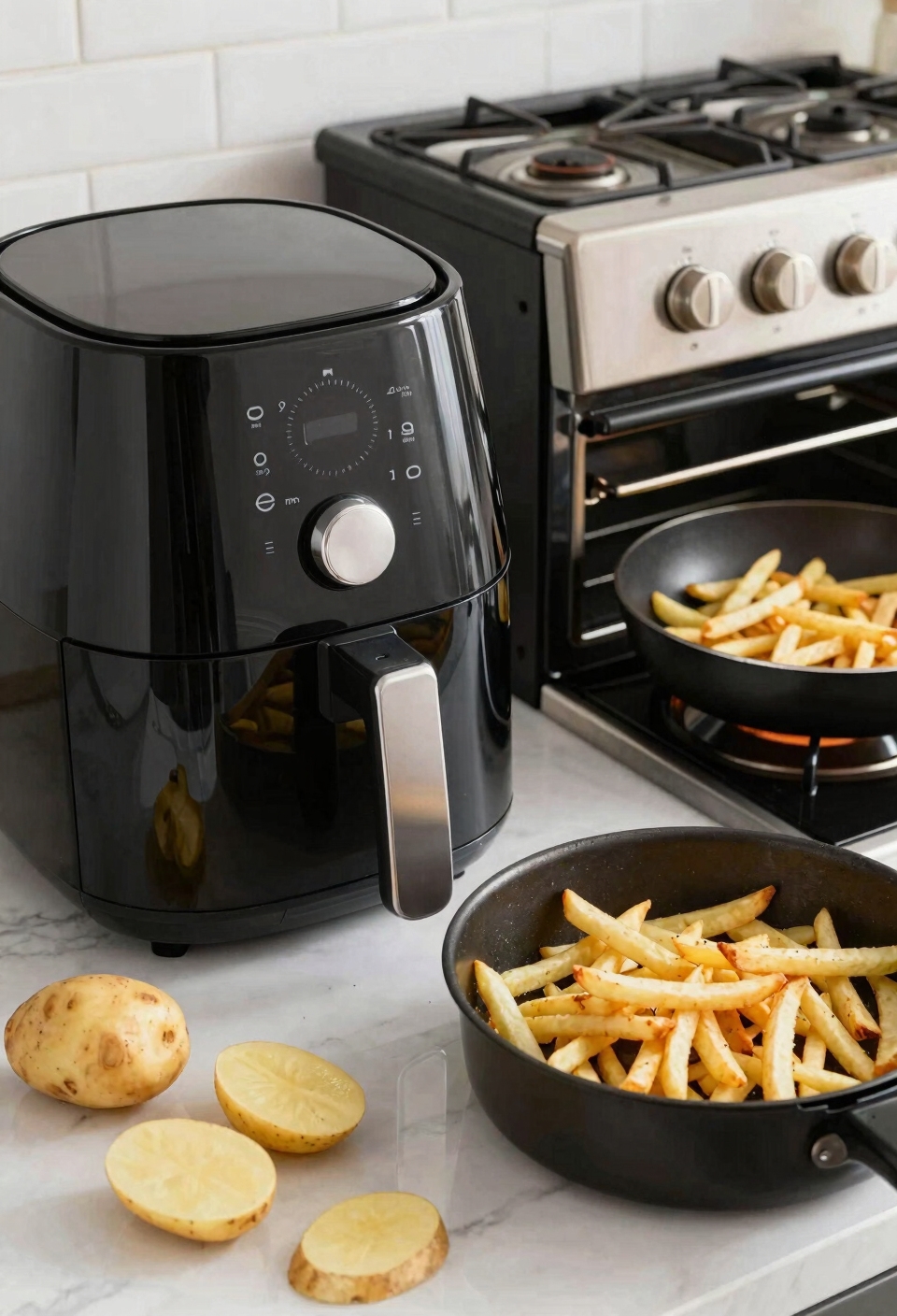
When researchers started comparing air fryers to other cooking methods, they found something that might surprise you: air fryers may actually produce 30-40% more acrylamide than conventional deep fryers. Now, here’s the catch—one study showed the difference wasn’t statistically significant. Air-fried potatoes clocked in at about 12.19 μg/kg versus deep-fried at 8.94 μg/kg. The thing is, air fryer textures and that crispy exterior you’re after depend partly on surface moisture. The hotter, drier environment creates those textures you love, but it also cranks up acrylamide formation. Boiled or steamed foods? They don’t have this problem at all.
Can Acrylamide in Food Actually Cause Cancer?
occupational exposure causes nerve damage and skin issues. Your occasional air-fried meal? Probably fine. The real takeaway is that you shouldn’t stress about acrylamide in moderation while eating a balanced diet.
Five Ways to Reduce Acrylamide in Your Air Fryer
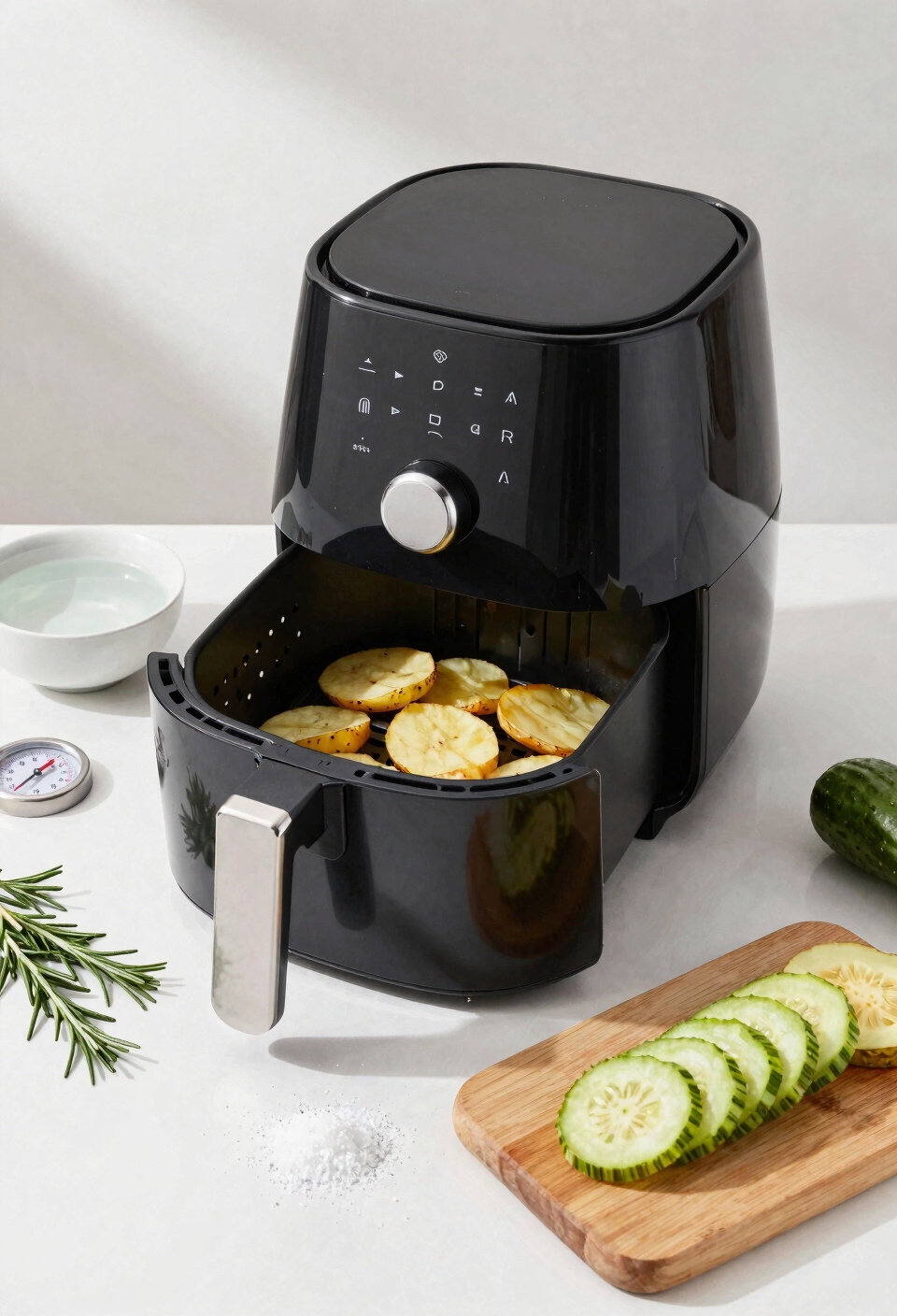
Look, if you’re going to use your air fryer—and let’s be honest, most of us are—you might as well know how to minimize acrylamide while you’re at it. First, soak your potatoes for fifteen minutes before cooking. This simple step cuts acrylamide by up to 90 percent. Second, aim for golden yellow, not dark brown. Overcooked food means more acrylamide. Third, use parchment liners to help distribute heat evenly and reduce hot spots. Fourth, don’t crank the temperature to max. Stick to 200°C instead. Fifth, make sure good air circulation by not overcrowding your basket. Give your food room to breathe. These tweaks won’t eliminate acrylamide entirely, but they’ll genuinely reduce your exposure without sacrificing that crispy texture you’re after.
Pre-Soak Your Potatoes: The Easiest Acrylamide Fix
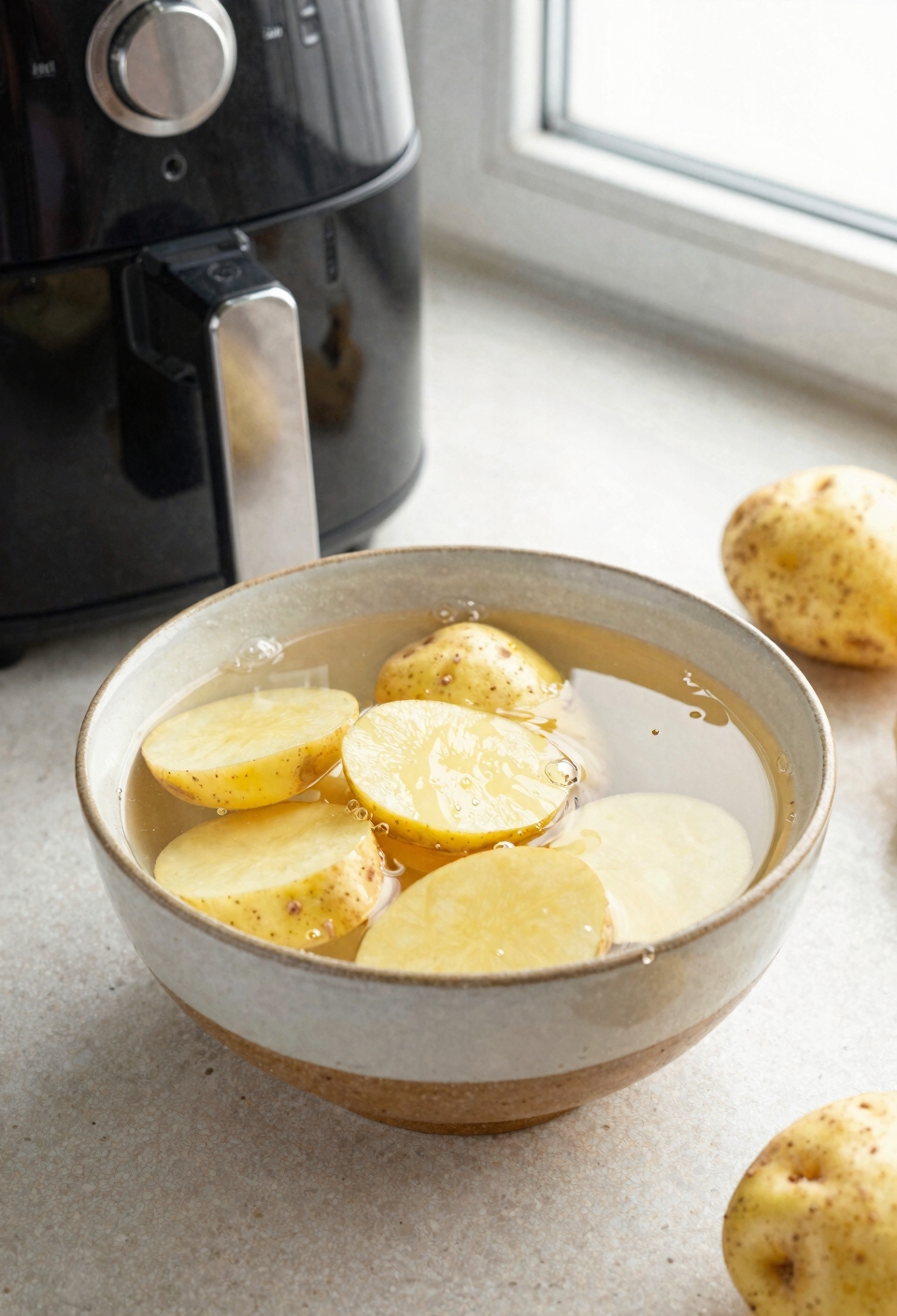
Among all the acrylamide-reduction tricks I’ve picked up, soaking potatoes before air frying might be the easiest—and honestly, the most effective. Here’s what I do: I soak my cut potatoes in filtered water for at least fifteen minutes before cooking. That’s it. The water leaches out some of the starches that contribute to acrylamide formation during heating.
Now, you might worry this affects texture retention or makes seasoning slide right off. It doesn’t, really. I pat them dry thoroughly, and the surface seasoning sticks just fine. Some research suggests pre-soaking with citric acid and salt can reduce acrylamide by up to ninety percent compared to deep frying. You’re looking at a massive reduction with minimal effort. Honestly, it’s a no-brainer.
Cook for Color, Not Char: Why Temperature Timing Matters
Now, timing thresholds vary depending on your air fryer model and potato thickness. Start checking around the 8-minute mark. The sweet spot? When they’re golden and tender, not charred. Higher temperatures combined with longer cooking times create a acrylamide explosion, regardless of your cooking method. Pull them out slightly earlier than you normally would. Your potatoes’ll still be delicious, and you’ll feel better about what you’re eating.
Should You Stop Using Your Air Fryer?
The short answer? No, you shouldn’t ditch your air fryer. Here’s the thing: air fryers offer real benefits—they slash fat and calories compared to traditional frying. Yes, they may produce slightly more acrylamide than deep frying, but no conclusive evidence links dietary acrylamide to cancer in humans.
Now, that doesn’t mean ignore the concern entirely. Simple maintenance tips like keeping your air fryer clean and following manufacturer guidelines matter. Try recipe substitutions too—swap regular potatoes for sweet potatoes, or experiment with vegetables that form less acrylamide when heated.
Cook strategically. Aim for golden, not charred. Soak starchy vegetables beforehand. Eat a balanced diet with moderation as your north star. Your air fryer’s still a solid kitchen tool when you use it thoughtfully.
How Air Fryers Compare Nutritionally to Deep Frying
When you’re standing in front of your air fryer versus a vat of oil bubbling away on the stove, you’re really looking at two completely different nutritional outcomes. Air fryers deliver substantial fat reduction—we’re talking about using little to no oil compared to traditional deep frying‘s oil-soaked results. That’s a massive win for your overall health. Beyond fat reduction, here’s the thing: air fryers maintain better nutrient retention because foods cook faster at high heat with minimal oil interference. You’ll get crispier food with fewer calories and less grease. Deep frying, meanwhile, saturates everything in fat, adding hundreds of extra calories per serving. So nutritionally? Air fryers win handily. The acrylamide concern shouldn’t overshadow this genuine advantage.
Air-Fried Foods in a Healthy Diet
Balancing your air fryer use with overall dietary choices is where the real magic happens. Here’s the thing: an air fryer isn’t a health pass. It’s a tool that fits into your larger eating pattern. Through smart meal planning, you’ll find air-fried foods work best as part of a varied diet, not the foundation of it. Portion control matters too. Just because air fryers use less oil doesn’t mean you should demolish a family-sized batch of fries solo. Mix air-fried items with steamed vegetables, whole grains, and lean proteins. Eating everything in moderation—including air-fried foods—keeps acrylamide exposure low while letting you actually enjoy what you’re cooking. That’s the real win here.
Frequently Asked Questions
What Is the Safe Level of Acrylamide Consumption for Humans?
I can’t tell you a specific safe level because researchers haven’t established tolerable intake or safety thresholds for dietary acrylamide in humans yet. We’re still waiting on that critical data.
How Does Occupational Acrylamide Exposure Differ From Dietary Exposure?
Occupational acrylamide exposure differs substantially from dietary exposure through direct dermal absorption and inhalation at work sites requiring workplace monitoring. You’d experience numbness, skin rashes, and leg weakness—effects not documented from eating acrylamide-containing foods.
Why Do Home Cooking Methods Receive Less Research Attention Than Industrial Processes?
I’d say industrial processes get funded extensively while home cooking languishes in neglect—it’s the funding disparities and methodological complexity that explain it. Industries can standardize conditions; your kitchen can’t.
What Specific Organoleptic Properties Drive Consumers to Cook at Higher Acrylamide Levels?
You’re likely cooking for that crispy texture contrast and appealing golden color consumers crave. I’ve found these organoleptic properties—the appealing crunch and visual appeal—drive you toward higher temperatures, unfortunately increasing acrylamide formation in your foods.
How Effective Are Citric Acid and Sodium Chloride Pre-Soaking Solutions Compared to Water?
I’ve found that citric soak efficacy and salt presoak comparison both dramatically outperform plain water. You’ll achieve 75-90% acrylamide reduction using these solutions versus standard water soaking before air frying your vegetables.
Conclusion
Look, you don’t need to ditch your air fryer. Research suggests the acrylamide levels in air-fried foods are comparable to traditional cooking methods—and honestly, one study found that pre-soaking potatoes reduced acrylamide by up to 48 percent. So keep using it, just golden your fries instead of charring them black. Your air fryer’s still one of your healthiest cooking shortcuts.