As an Amazon Associate, we earn from qualifying purchases. Some links on this site are affiliate links at no extra cost to you. Our recommendations are based on thorough research and editorial judgment.

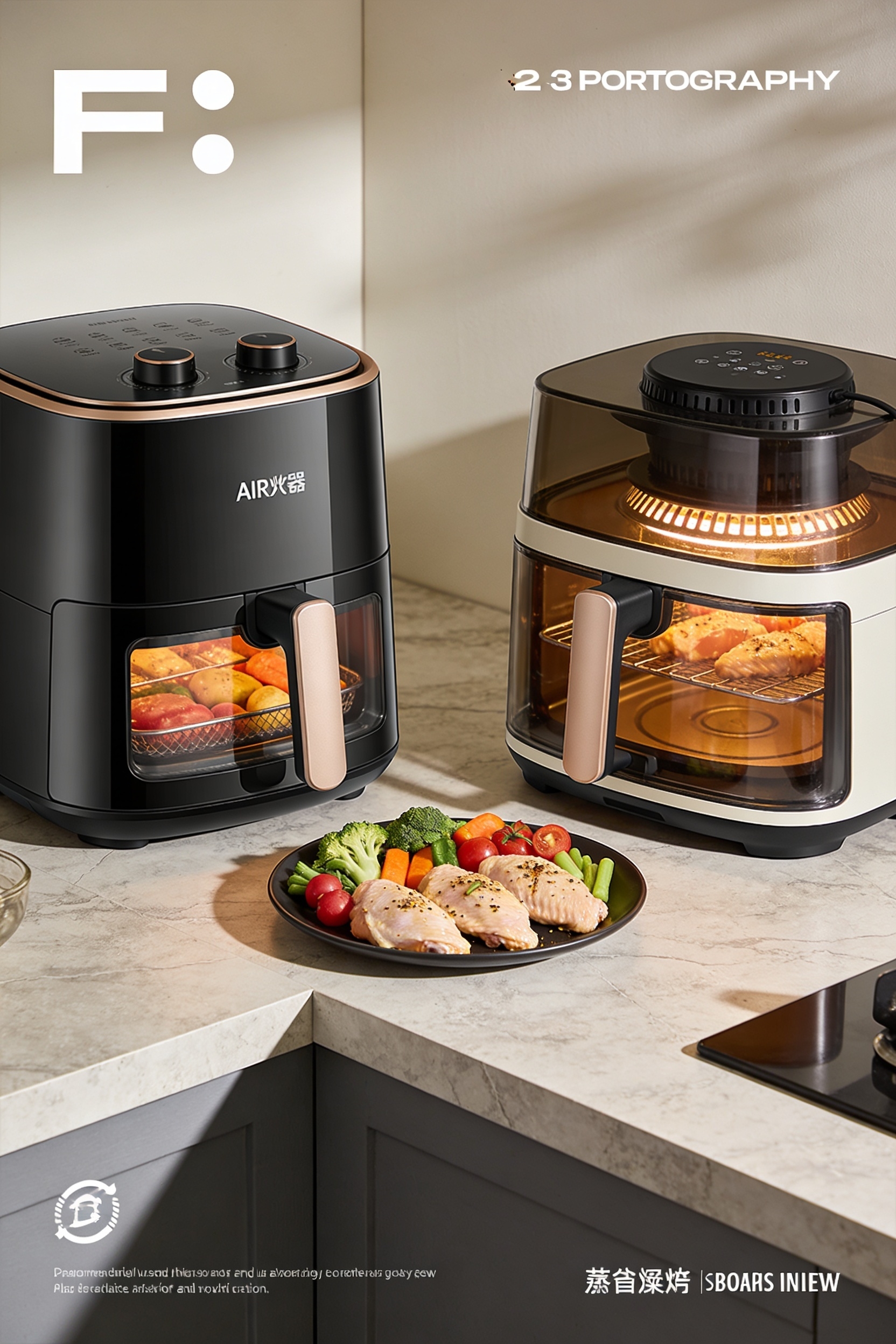
Air Fryer vs Halogen Oven: Which Cooks Better?

Look, here’s the thing: air fryers crisp food faster and cheaper, making them ideal for quick weeknight meals. But halogen ovens handle bigger batches and roast whole chickens better. It really depends on what you’re cooking. Need crispy fries in fifteen minutes? Air fryer wins. Feeding a crowd? Go halogen. Let me break down exactly how these appliances stack up.
Key Takeaways
- Air fryers produce superior crispiness with shatteringly crisp exteriors while halogen ovens tend toward soggier results.
- Air fryers cook 40–50% faster: frozen fries in 28 minutes versus 60 minutes in halogen ovens.
- Halogen ovens excel at larger batch capacity, even baking, and juicier roasted meats for traditional cooking.
- Air fryers use less energy per meal due to faster cooking times, saving approximately 11 pence per meal.
- Air fryers require minimal oil and allow precise temperature control to avoid potentially harmful compounds from extreme heat.
Crispiness: Air Fryer vs. Halogen Oven
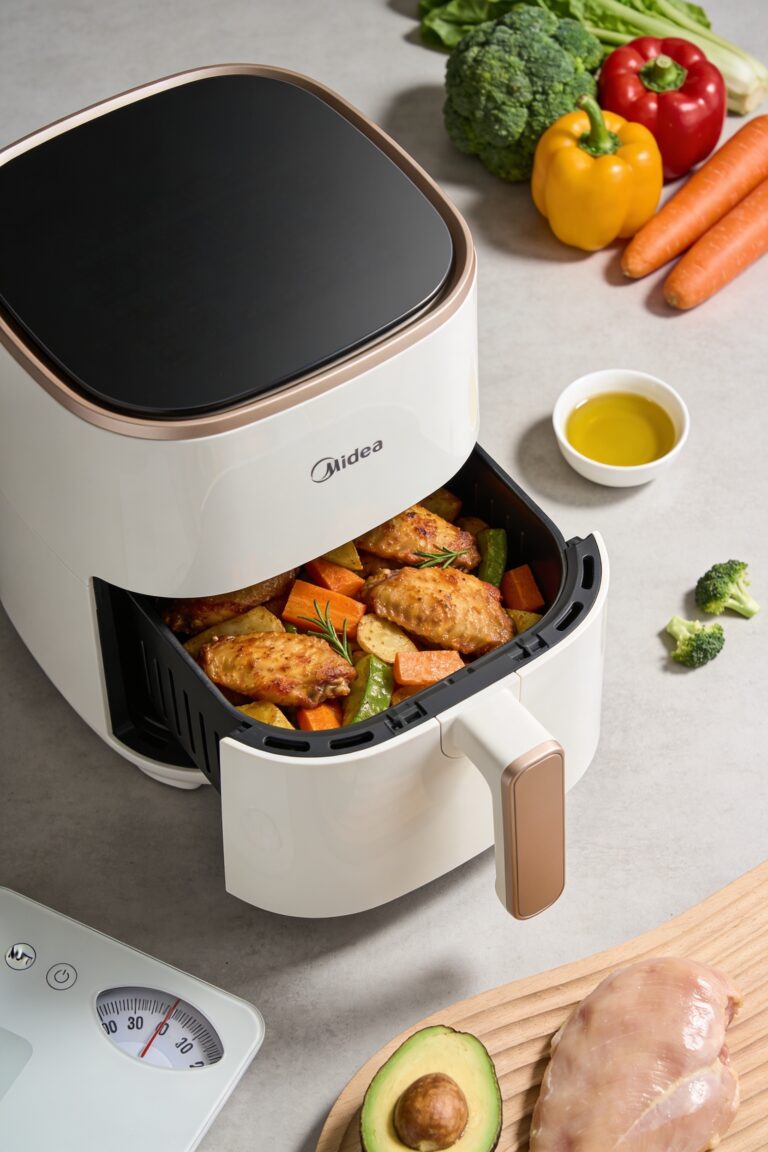
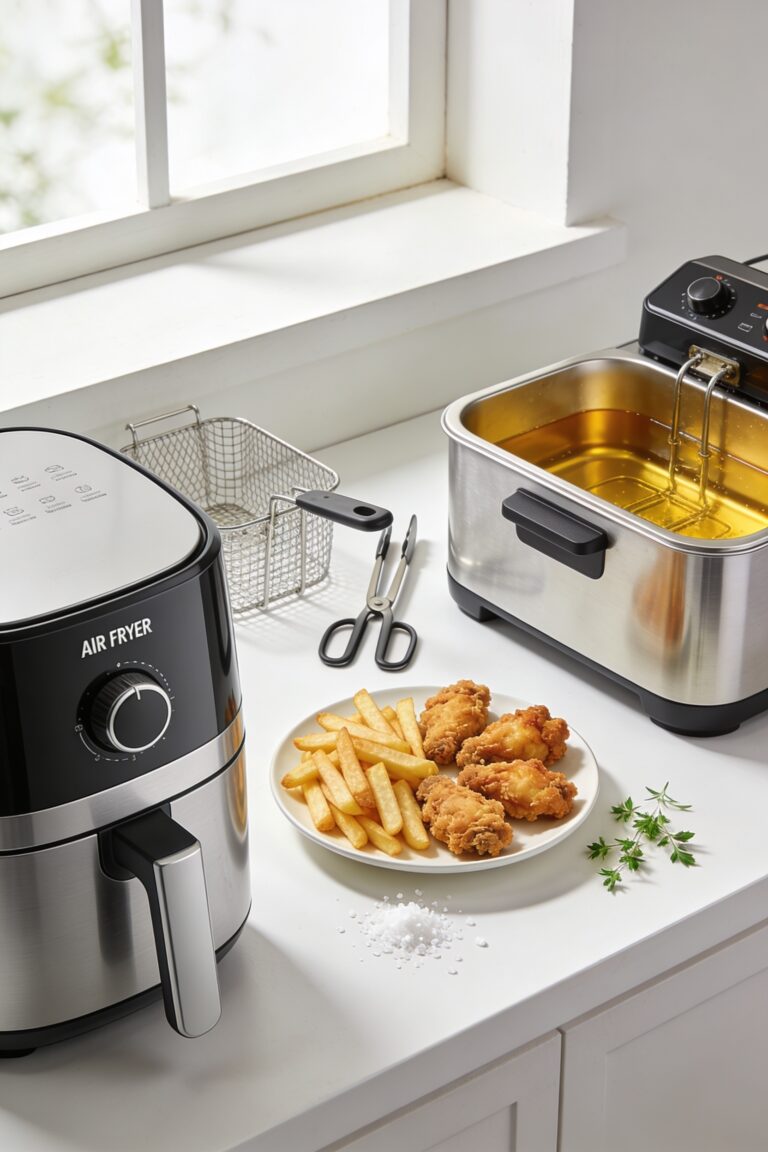
Look, if you’re buying a countertop cooking appliance, you’re probably daydreaming about crispy french fries and golden chicken wings—and I don’t blame you. Here’s the thing: air fryers demolish halogen ovens when it comes to crispiness. That concentrated heat and powerful fan create a texture contrast you’ll actually feel—a shatteringly crisp exterior while the inside stays moist. Halogen ovens can crisp food, sure, but they tend toward soggier results even with longer cooking times. The crust formation in an air fryer is just superior. Tests confirm it repeatedly. If crispiness is your priority, air fryers win decisively. They’re basically purpose-built for that golden, crunchy magic you’re craving.
Speed: Why Faster Cooking Wins
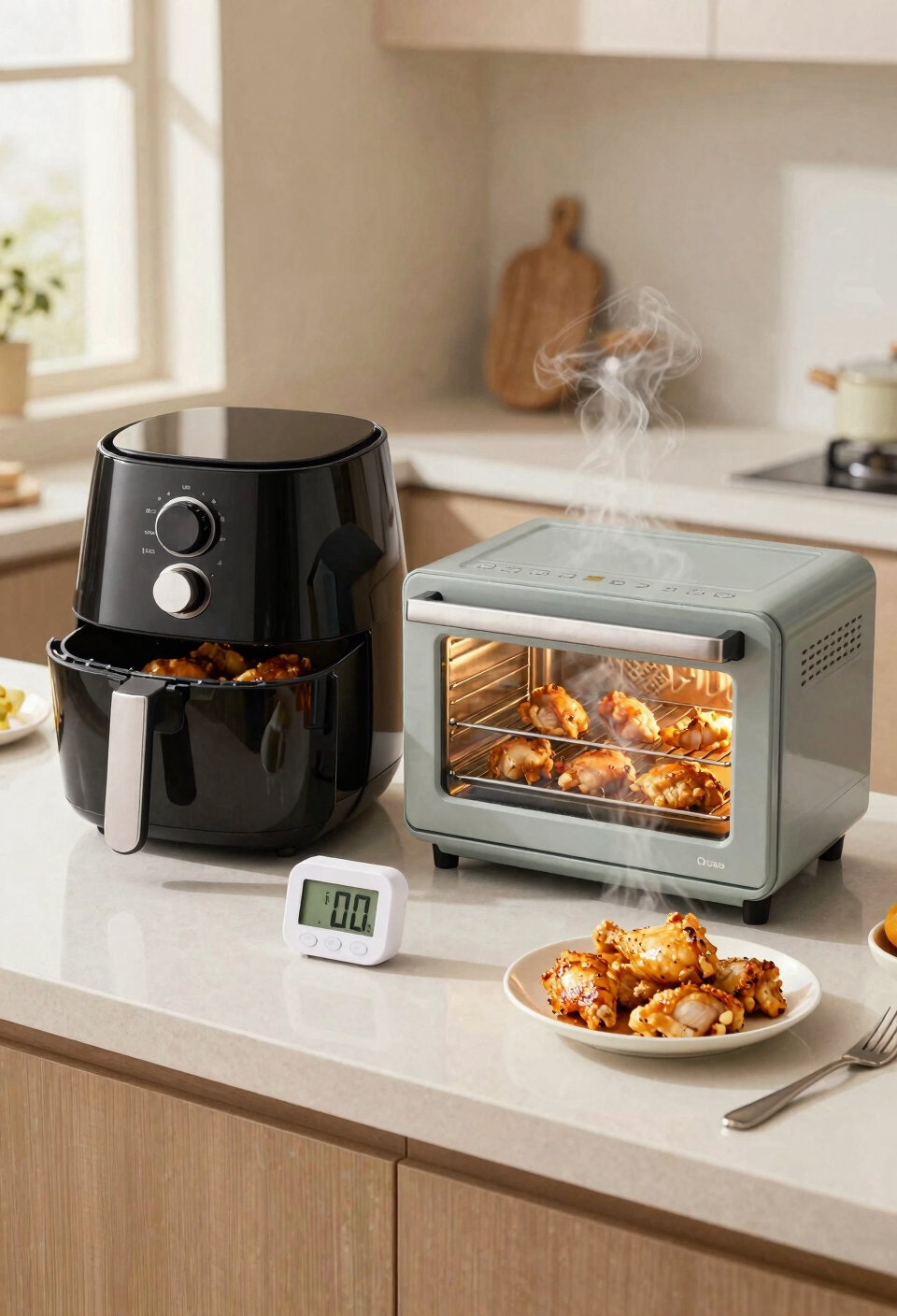
While crispiness gets all the glory, speed is where air fryers genuinely change your weeknight dinner game. I’m talking french fries ready in 28 minutes instead of 60. A whole chicken roasts in 60 minutes versus 75 in a halogen oven. Broccoli florets? Six minutes beats 12 hands down.
The real magic happens with rapid preheating. You’ll heat up and cook frozen fries, wings, or pizza in 10 to 15 minutes flat. That’s clutch when hunger strikes at 6 PM.
Now here’s the thing about meal throughput: faster cooking means you’re eating sooner, reheating leftovers quicker, and honestly, just spending less time hovering over your kitchen. Your Tuesday night self will thank you.
Energy Costs: Dollars Per Meal
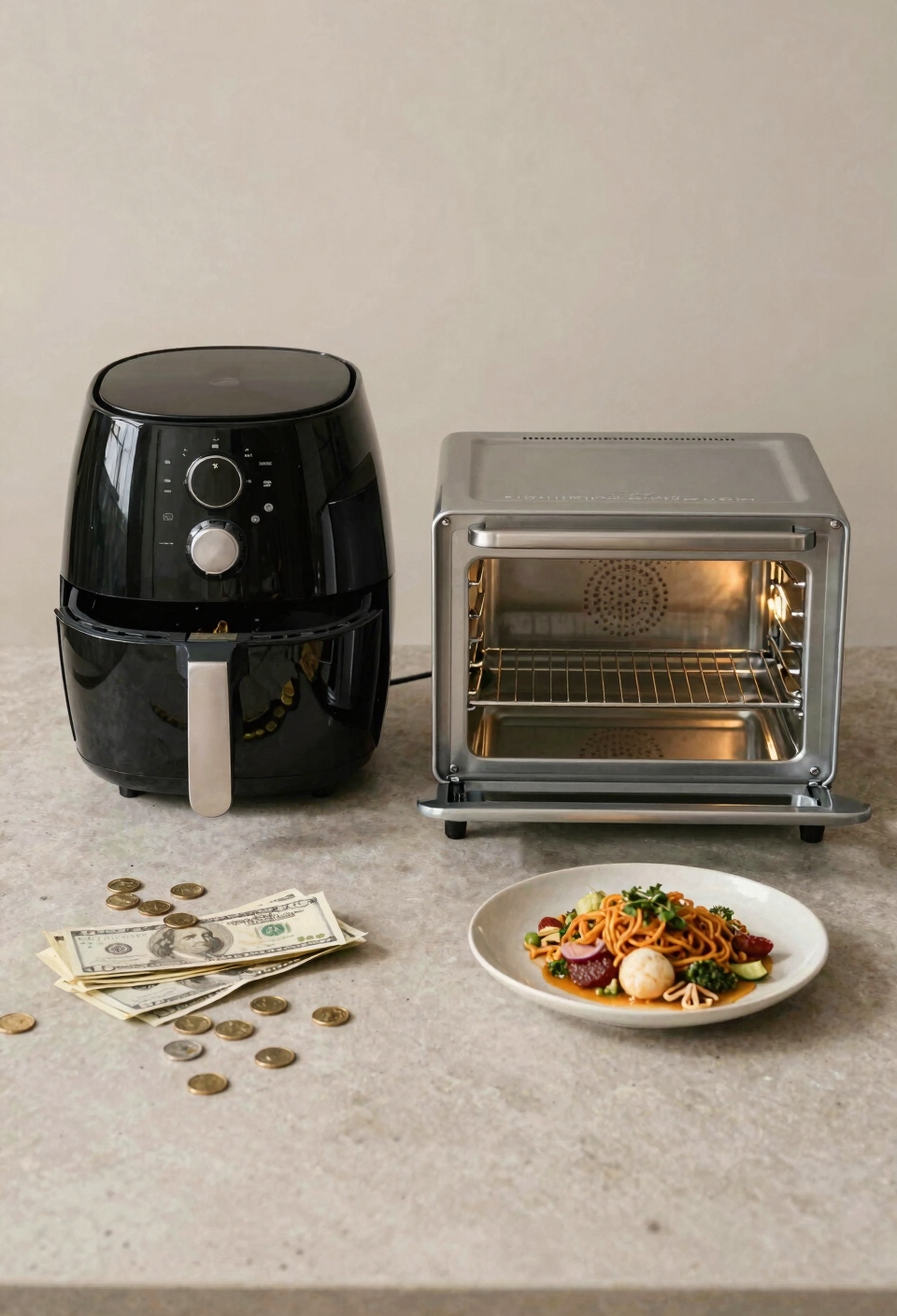
Every appliance’s true cost isn’t what you pay upfront—it’s what you pay every single time you cook. Look, both air fryers and halogen ovens pull similar wattage from your outlet, but here’s where it gets interesting: speed matters for your wallet.
When I make scampi and chips, my air fryer uses 0.68 kWh while the halogen oven demands 1 kWh. That’s real money. At 2022 utility rates, I’m looking at 24 pence per meal with the air fryer versus 35 pence with the halogen. Smaller tasks like reheating? The air fryer wins again—0.15 kWh versus 0.20 kWh.
Now, meal pricing depends on your actual utility rates, but the pattern’s clear: faster cooking means lower energy bills. Your local rates might shift these numbers, but the advantage stays the same.
Capacity and Batch Size: Which Handles More
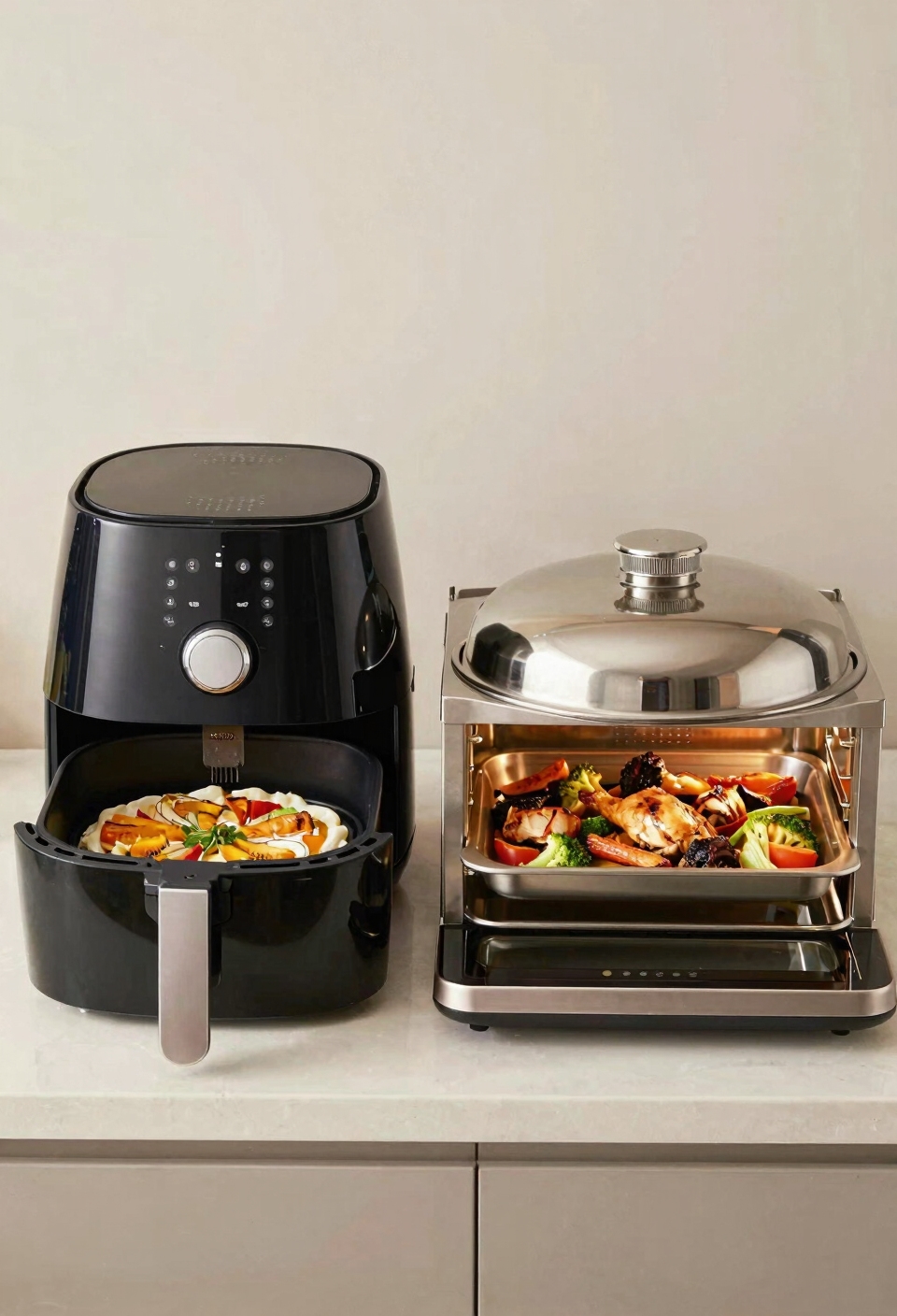
Most kitchens aren’t just feeding one person, and that’s where capacity really starts to matter. Here’s the thing: halogen ovens win big when you’re cooking for a crowd. They’ve got serious batch capacity and flexible shelf layout that lets you roast a whole chicken while simultaneously heating vegetables. You’re looking at genuinely larger quantities per cooking session.
Air fryers? They’re the opposite. They’re compact, which makes them perfect for quick personal meals and frozen snacks, but they’ll frustrate you if you’re feeding a family. Small muffins, personal pizzas, individual portions—that’s their sweet spot.
Baking and Roasting: Which Appliance Excels
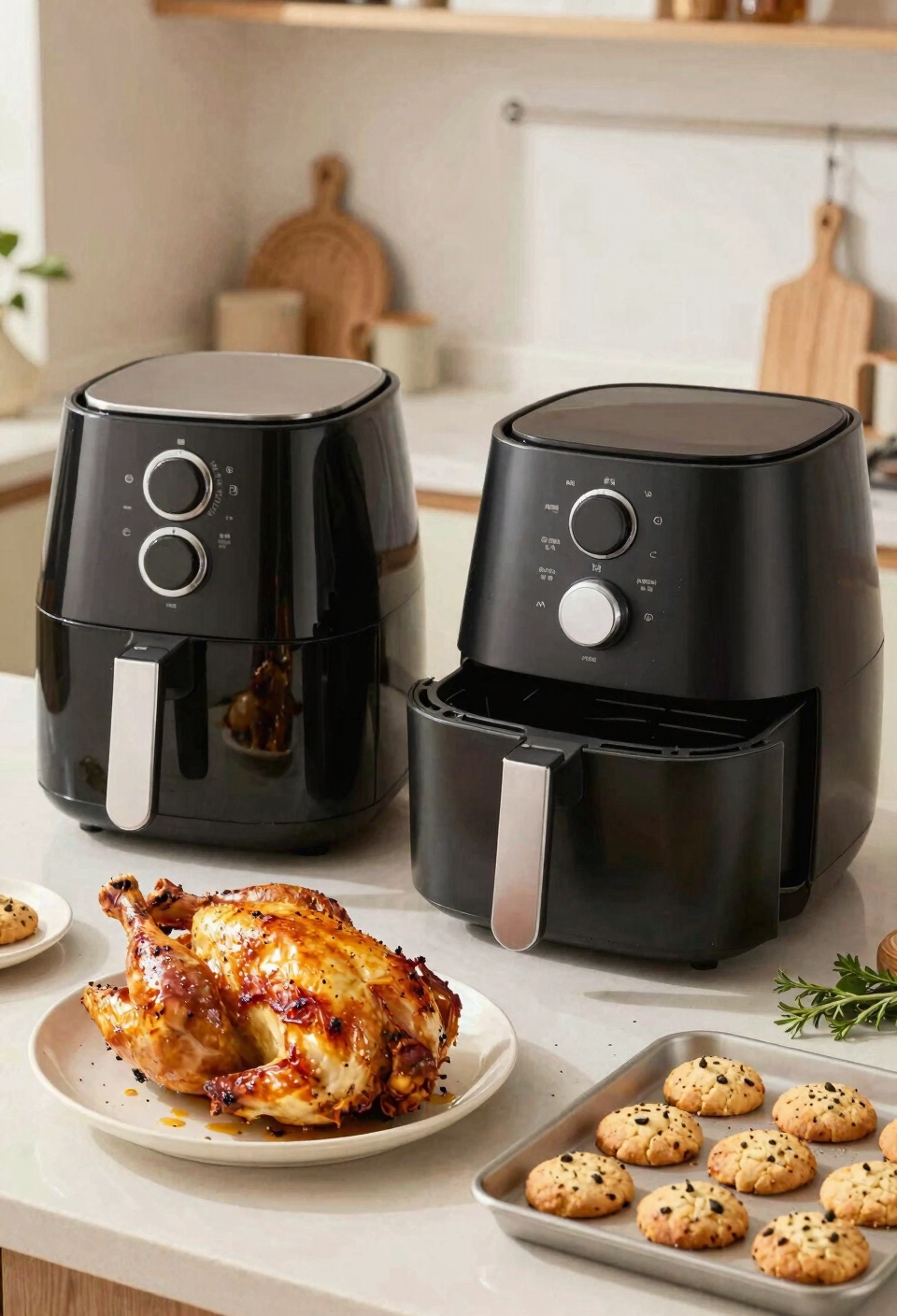
When it comes to baking and roasting, you’re looking at two very different approaches to the same basic goal. Here’s the thing: halogen ovens win this round, hands down. Their larger capacity and oven thermals create the even heat distribution that serious baking demands. You’ll get better crust formation on bread and more consistent browning across bigger batches.
Now, air fryers can handle small baking projects—think muffins or personal pizzas—but they’re limited by size. For roasting whole chickens or vegetables, the halogen oven’s design produces juicier meats with superior results. Air fryers cook faster, sure, but when you need that traditional oven performance, the halogen delivers. If baking’s your priority, the halogen’s your appliance.
Health Comparison: Oil and Temperature Trade-Offs
if you care about what goes into your body, this is where air fryers start looking pretty smart. Air fryers need minimal oil—sometimes just a light spray—to get that crispy texture you’re craving. With halogen ovens, you’re cooking at intense temperatures that can potentially form harmful compounds, similar to grilling. Air fryers let you control temperature limits more precisely, keeping things in a safer zone. You’re not soaking your food in oil like deep frying, but you’re also not pushing heat to dangerous levels. That said, both beat microwaving leftovers for texture. Your oil choices matter too. Use quality oils with higher smoke points, and you’ve basically dialed in the healthier option between these two appliances.
Cleaning and Upkeep: Time and Effort
After you’ve finished cooking, the cleanup reality hits—and here’s where air fryers earn some serious points. I’ll be honest—air fryer baskets are genuinely easier to wipe down after quick meals. You’re not scrubbing baked-on residue from massive cooking surfaces. That said, your maintenance schedule matters. Filter replacement keeps your air fryer running smoothly, and you’ll want to check those regularly depending on usage. Halogen ovens? They’ve got larger interiors to clean after bigger batches, which takes more elbow grease and time. Neither appliance is a nightmare, but air fryers win on speed and simplicity. You’ll spend less time scrubbing and more time enjoying your meal—which honestly feels like the whole point.
What Each One Does Best
Now that you know how much easier air fryers are to clean, let’s talk about what really matters—which appliance actually handles the cooking you want to do.
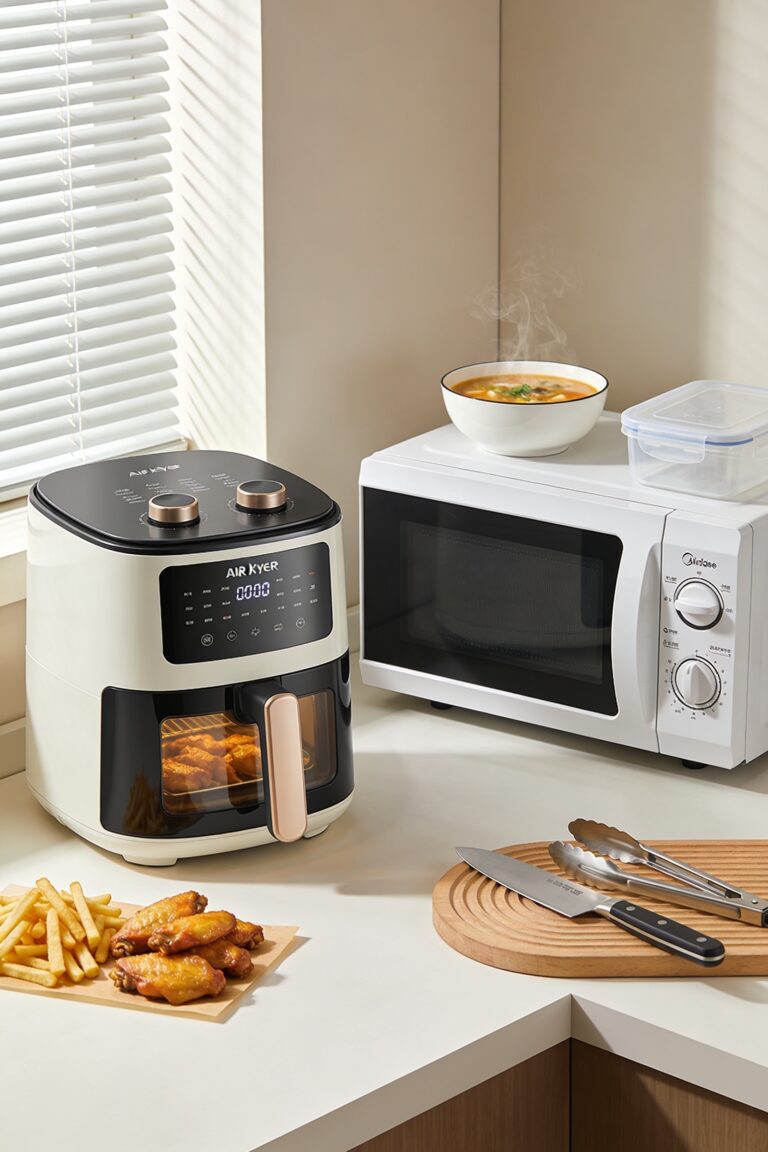
Here’s the thing: air fryers crush it with frozen snacks and quick meals. You’ll get crispy french fries in 28 minutes instead of 60, and they’re genuinely quieter during operation—a nice bonus if you hate kitchen noise. They’re perfect for reheating leftovers without the sogginess.
But halogen ovens? They’re your move for bigger batches and whole chickens. They handle roasting and baking better thanks to their larger capacity and even heat distribution. Plus, they produce juicier meats.
All right, so pick based on your actual cooking habits. Small household? Air fryer wins. Hosting dinners regularly? Go halogen.
Make Your Decision: Side-by-Side Scorecard
Let me break this down for you with a simple scorecard so you can see exactly where each appliance shines.
Air fryers win on speed, crispiness, and energy costs—they’re your go-to for quick weeknight dinners and frozen snacks. You’ll spend less on electricity too. Halogen ovens dominate capacity and versatility, handling bigger batches and whole chickens with ease. They’re better for baking and roasting when material sustainability matters because you’re cooking more food at once.
Now, here’s the thing about countertop aesthetics: air fryers take up less real estate, which some kitchens desperately need. Halogen ovens are bulkier but deliver oven-like results you can’t ignore. Your choice depends on your lifestyle. Small household? Air fryer. Family meals and batch cooking? Halogen oven wins.
Frequently Asked Questions
Can You Use an Air Fryer and Halogen Oven Together in the Same Kitchen?
Yes, I can use both in my kitchen together. I’ll need adequate countertop layout space for each appliance and make sure they don’t share ventilation, as both produce steam and heat that could interfere with each other’s performance.
How Long Do Air Fryers and Halogen Ovens Typically Last Before Needing Replacement?
Like clockwork ticking toward its final chime, I’d say both typically last 3-5 years. Your lifespan estimates depend heavily on maintenance tips—regular cleaning and proper usage extend their journey considerably before replacement becomes necessary.
What Is the Noise Level Difference Between Air Fryers and Halogen Ovens During Operation?
I don’t have specific noise level data in my knowledge base comparing air fryers and halogen ovens. However, air fryers typically produce fan noise during operation, while halogen ovens generate minimal vibration levels, though direct decibel comparisons aren’t available.
Are Air Fryers or Halogen Ovens Better for Cooking Frozen Foods From a Cost Perspective?
Like a sprinter outpacing a marathoner, air fryers beat halogen ovens for frozen foods cost-wise. They’re cheaper per meal due to superior energy efficiency and faster cooking times, though halogen’s lower upfront cost appeals to budget-conscious buyers.
Which Appliance Is Safer to Use Around Children and Pets in Kitchens?
I’d recommend air fryers for safer kitchen use around children and pets. They feature cooler surfaces and come with more childproof features than halogen ovens, which reach dangerously high exterior temperatures during operation.
Conclusion
you’re probably better off with an air fryer if you value speed and crispiness. But if you’re baking regularly, a halogen oven might serve you better. Studies show air fryers use about 70% less energy than conventional ovens, which really adds up over time. Pick based on what you actually cook, not what sounds fancier. Your kitchen—and your electric bill—will thank you.