As an Amazon Associate, we earn from qualifying purchases. Some links on this site are affiliate links at no extra cost to you. Our recommendations are based on thorough research and editorial judgment.

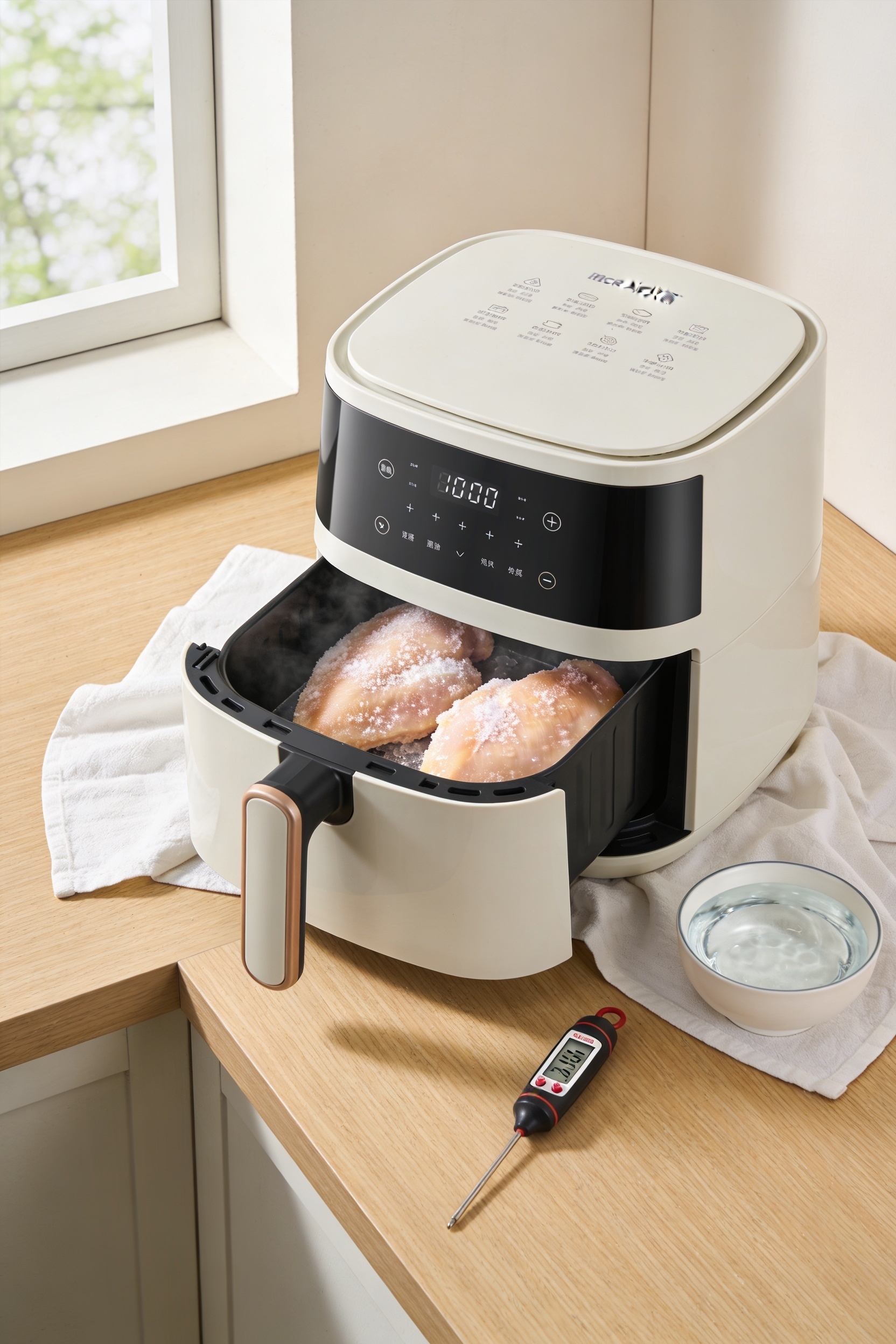
How to Defrost Food in an Air Fryer Safely

Look, here’s the thing—most air fryers can’t safely defrost ground beef because they blast superheated air instead of gently thawing. You’ll end up with uneven heat that cooks the outside while the inside stays frozen, plus bacteria loves hanging out in that danger zone. Your best bet? Defrost in the fridge overnight or use cold water if you’re in a rush. But if you’re curious about the one protocol that *might* work, stick around.
Key Takeaways
- Air fryers struggle to maintain safe defrosting temperatures below 40°F due to design limitations and minimum operating temperatures around 175°F.
- Use a calibrated food thermometer to monitor internal temperature at multiple spots, ensuring meat stays below 40°F during any thawing attempt.
- Refrigerator thawing overnight or cold water method (changing water every 30 minutes) are safer alternatives than air fryer defrosting.
- If using an air fryer, set to the lowest available temperature, check every few minutes, and finish thawing via refrigerator or cold water.
- Air fryers excel at cooking frozen foods directly without defrosting first, producing crispier results than conventional ovens in less time.
Why Most Air Fryers Can’t Safely Defrost Ground Beef
Since air fryers work by blasting food with superheated circulating air, they’re basically tiny convection ovens—and that’s exactly why they struggle with defrosting. The material science here works against you: hot air concentrates on exposed surfaces, cooking outer layers while centers stay frozen. It’s an airflow design problem, honestly. You get uneven thawing that risks bacterial growth in the danger zone, plus partially cooked edges that turn tough and dry. Most air fryers can’t maintain the consistently low temperatures you’d need for safe defrosting. They’re built for cooking, not thawing. So while I understand the appeal of speed, your ground beef deserves better than what these machines can realistically deliver.
The Three Main Risks: Uneven Heat, Partial Cooking, and Bacteria
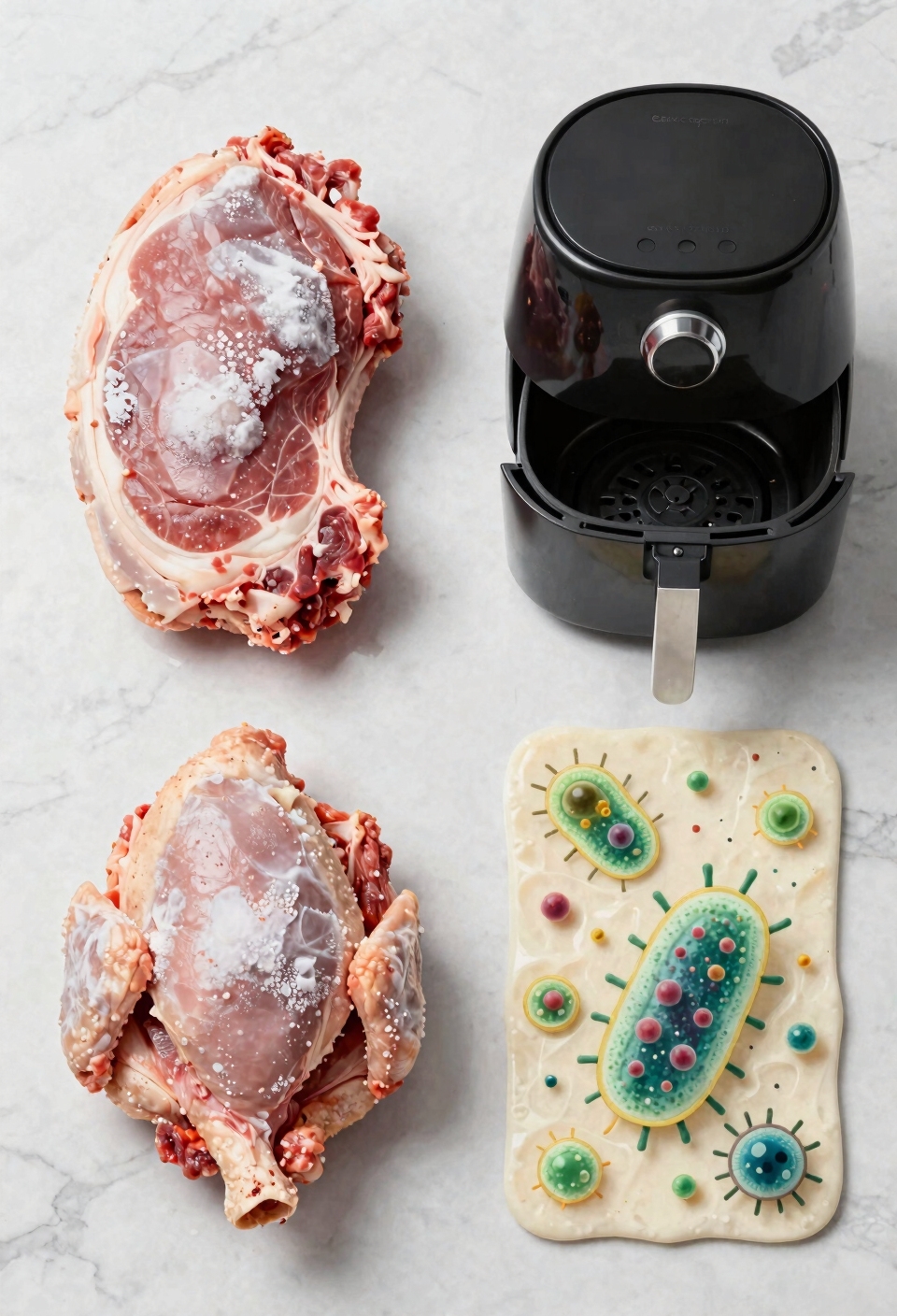
When you defrost ground beef in an air fryer, you’re effectively inviting three troublemakers to the party at once—and they don’t play well together.
First, there’s uneven heat. Hot air blasts your meat’s surface while the interior stays frozen solid. You get surface scorching on exposed edges while cores remain rock-hard. Second comes partial cooking. Those outer layers start cooking before inner sections reach safe temperatures, creating tough, dry textures nobody wants. Finally, bacteria love thermal gradients—temperature variations where meat lingers in the danger zone just long enough for harmful growth to accelerate.
The real problem? Your air fryer can’t maintain consistent, food-safe temperatures throughout the defrosting process. That’s why I stick with refrigerator thawing or cold water methods instead. They’re boring, sure, but they actually work.
What Temperature You Actually Need (and Why Most Models Don’t Have It)
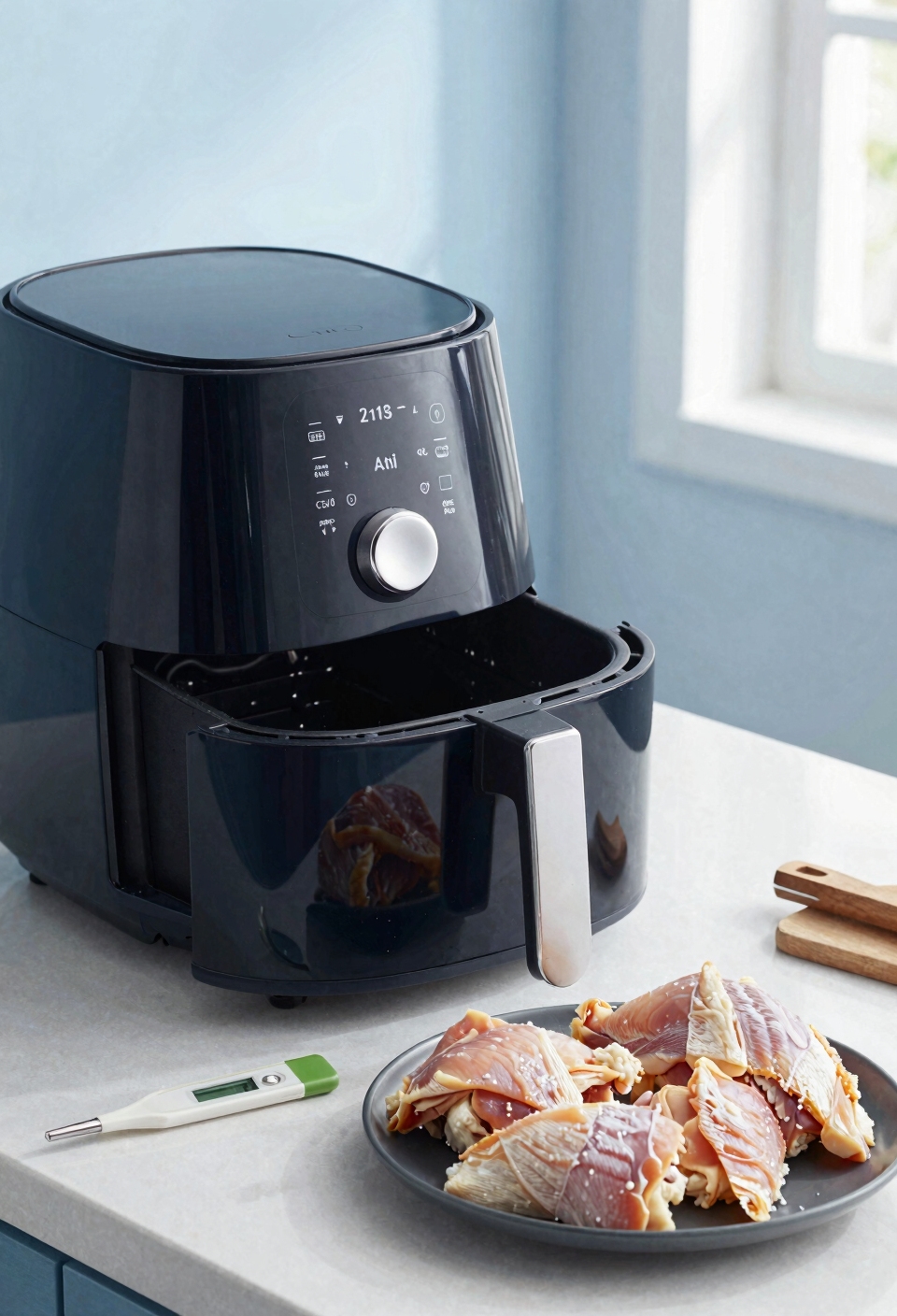
Now here’s where the math breaks down with your air fryer. You need temperatures between 80°F and 100°F for safe defrosting—ideally staying below 40°F to avoid the bacterial danger zone. Most air fryers? They don’t go that low. Your temperature control tops out around 175°F minimum, which is way too hot for thawing meat safely.
Here’s the thing: sensor limitations in standard models mean they’re just not designed for gentle defrosting. They’re built to cook fast and hot, not to maintain those delicate low temperatures that keep bacteria from multiplying while your meat thaws evenly.
Some newer models claim adjustable low-temperature settings, but honestly, I’d verify yours actually has this before betting your dinner on it.
How Long Defrosting Takes (and Why It’s Not Worth the Risk)
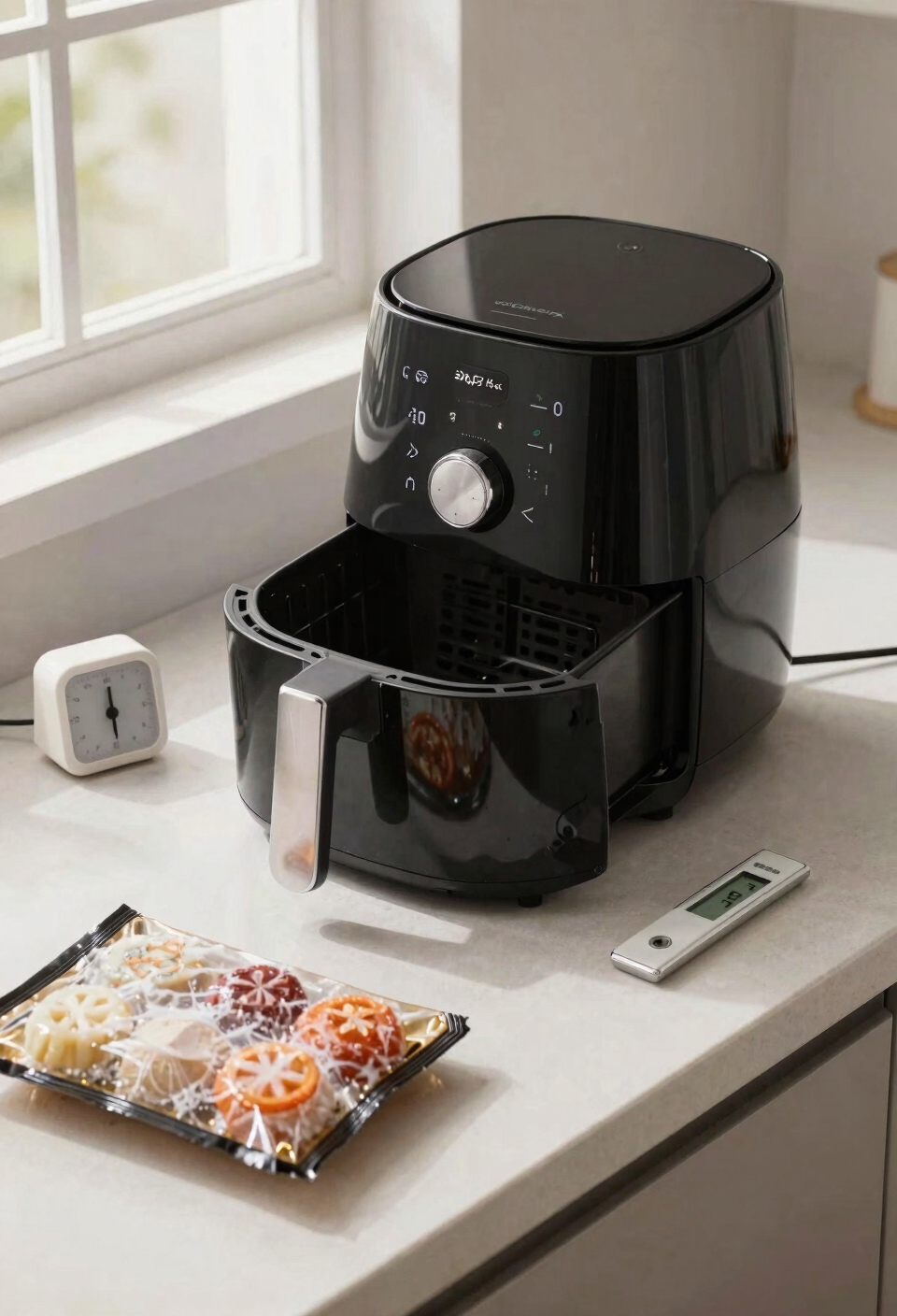
If you throw ground beef into your air fryer, you’re looking at roughly 10 to 15 minutes before it’s thawed—maybe less depending on your model and how thick the meat is. Now, that’s faster than refrigerator thawing, which takes overnight. But here’s the thing: speed doesn’t equal safety. That time comparison looks great until you realize the texture impact hits hard. You’ll likely end up with partially cooked, dried-out edges while the center stays frozen. Your meat gets tough and unappetizing. Cold water thawing takes 30 minutes and actually works. The refrigerator takes longer but preserves quality completely. Sometimes slow wins the meal.
Here’s What Air Fryers Actually Excel At: Cooking Frozen Foods Directly
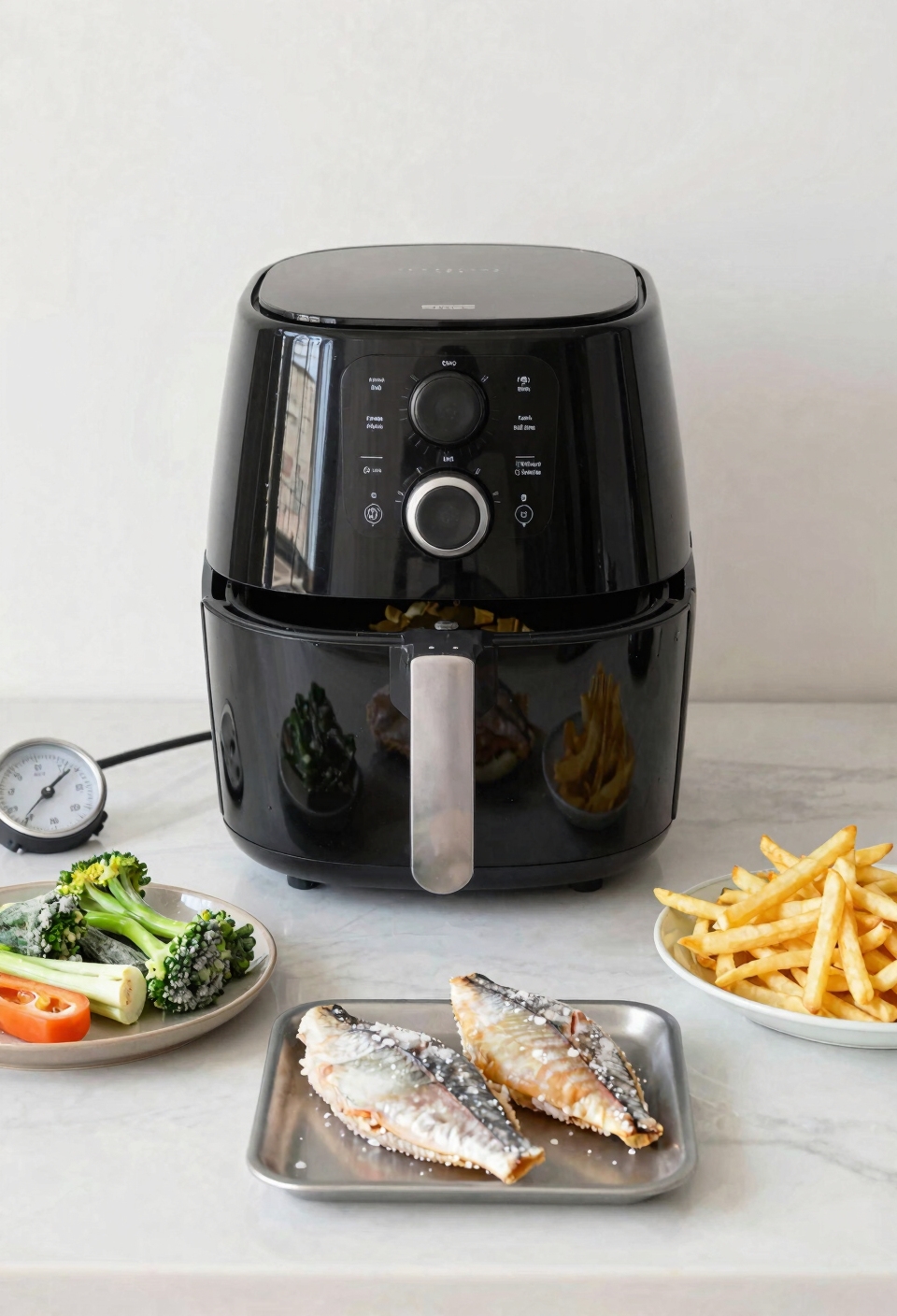
You know what air fryers genuinely do better than almost anything else? Cooking frozen foods directly without defrosting first. I’m talking frozen chicken breasts, fries, vegetables—everything comes out crispy and perfectly cooked in a fraction of the time conventional ovens need. The hot circulating air actually works *for* you here instead of against you, creating those golden, appealing textures you’d otherwise chase through complicated defrosting routines. Plus, shortcut recipes become genuinely viable. Throw frozen shrimp in, season aggressively, and dinner’s ready in twelve minutes. No thawing required. No bacterial danger zone. No thermometer anxiety. Your air fryer transforms frozen ingredients into restaurant-quality results faster than you’d think possible. That’s where this appliance truly shines.
Safe Defrosting Methods That Experts Recommend Instead
While air fryers excel at cooking frozen foods straight from the freezer, they’re honestly not your best bet when you need to thaw something first. Here’s the thing: experts recommend refrigerator thawing as your safest option. You’re looking at 35°F–40°F in cold storage, which keeps meat safely out of the bacterial danger zone. Plan overnight or several hours ahead—it’s worth it.
The cold water method works faster if you’re in a pinch. Just use vacuum sealing or leak-proof packaging, then submerge your meat and swap the water every 30 minutes. You’ll thaw ground beef in a couple hours without compromising texture or safety.
Microwave defrosting’s another solid alternative when time’s tight. Skip the air fryer guesswork. These proven methods actually work.
If You Must Use an Air Fryer: A Step-by-Step Protocol With Thermometer Checks
Now, I won’t pretend that defrosting in an air fryer is ideal—but I get it, sometimes you’re short on time and your fridge thawing didn’t happen. If you’re going this route, here’s what actually works.
Set your air fryer to its lowest temperature setting, ideally 100°F–140°F if your model allows it. Place meat in a single layer for even airflow. Use timer reminders to check every few minutes—this prevents you from forgetting and accidentally cooking the outside.
This is critical: grab your food thermometer and check internal temperature at multiple spots, with sensor placement in the thickest area. You’re looking for consistent coldness, not heat.
Honestly? Use this method only to soften outer edges, then finish defrosting using refrigerator thawing or cold water. Your meat—and your stomach—will thank you.
Use a Food Thermometer: Your Only Guarantee of Safety
A food thermometer isn’t just a nice-to-have when you’re air frying your way to a thawed chicken breast—it’s literally the only tool that tells you if what you’re doing is actually safe. Here’s the thing: your eyes can’t detect whether the center’s hit a food-safe temperature while outer edges cook unevenly.
Now, probe placement matters more than you’d think. Insert it into the thickest part of the meat, away from bones or air pockets that’ll give you false readings. Before you start, check your probe calibration using ice water—accuracy isn’t optional here.
Check every few minutes during defrosting. You’re looking for meat staying below 40°F. When temperatures start creeping up, that’s your signal to stop or switch to a proven defrosting method instead.
Frequently Asked Questions
Can I Defrost Multiple Portions of Ground Beef Simultaneously in My Air Fryer Basket?
I’d advise against portion stacking in your air fryer basket. Multiple ground beef portions create uneven thawing since hot air can’t circulate properly around each piece, leaving some frozen while others partially cook.
Will Defrosting in an Air Fryer Affect the Taste or Texture of Ground Beef Compared to Refrigerator Thawing?
I’d argue air fryer defrosting’ll practically ruin your ground beef compared to refrigerator thawing. You’ll notice texture becomes tough and dry from partial cooking, while flavor changes occur as outer edges cook unevenly before centers thaw.
Is It Safe to Defrost Ground Beef in an Air Fryer if I’m Cooking It Immediately Afterward?
I’d advise against it. While air fryer myths suggest it’s convenient, the safety risks—uneven thawing, bacterial growth, partial cooking—outweigh nutrient retention debate benefits. You’re better off using proven methods first.
What Should I Do if My Air Fryer Doesn’t Have a Dedicated Defrost Function or Temperature Settings?
I’d recommend using proven methods instead—refrigerator thawing or cold water technique. If you must use your air fryer, I’d suggest low heat in short bursts with frequent flipping and constant thermometer monitoring.
How Can I Tell if Ground Beef Has Been Safely Defrosted Versus Partially Cooked in the Air Fryer?
I’d identify it by testing temperature thoroughly—your thermometer should show 40°F or below for safe defrosting. Cooked beef displays darker color changes, while properly defrosted meat maintains its natural hue.
Conclusion
Look, I get it—air fryers are convenient, and you’re tempted. But here’s the thing: your microwave or fridge does this job better, faster, and safer. Your air fryer’s got one job, and it’s crushing frozen food that’s already ready to cook. Stick to what it does best. Your taste buds—and your stomach—will thank you.