As an Amazon Associate, we earn from qualifying purchases. Some links on this site are affiliate links at no extra cost to you. Our recommendations are based on thorough research and editorial judgment.

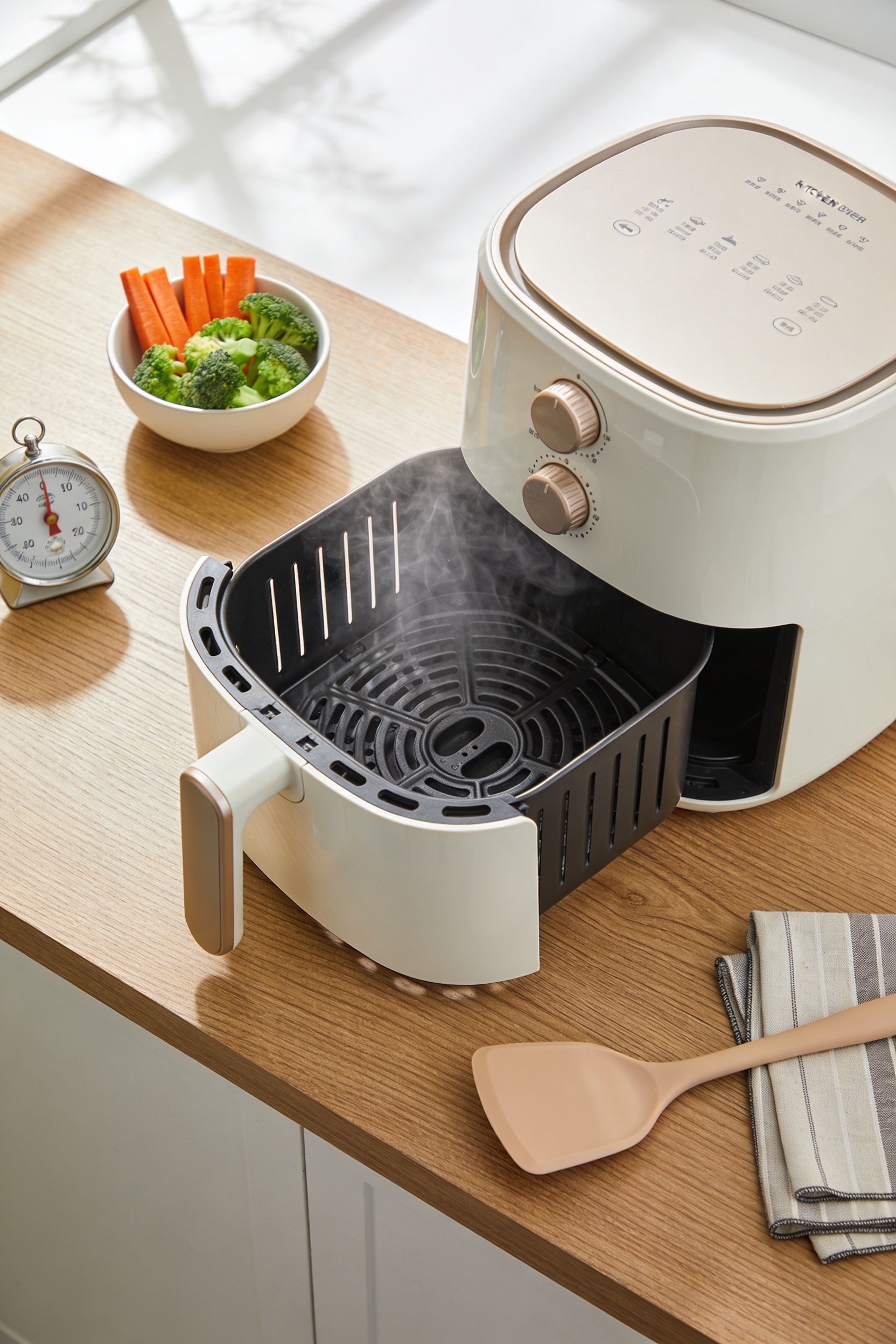
Air Fryer Beginner Mistakes: What to Avoid From Day One

Look, I’ve nuked my share of meals in an air fryer, so here’s what’ll save you: stop overstuffing that basket—it suffocates your food into soggy mediocrity. Dry everything first, use oil sparingly, and shake things halfway through. Your manual’s not decoration; it’s your actual instruction manual. Skip preheating for frozen items, avoid sketchy liners, and remember that those Instagram baskets overflowing with fries? Marketing lies. These tweaks transform you from burnt-offerings chef to crispy-results wizard.
Key Takeaways
- Avoid overcrowding the basket; arrange food in single layers and cook in batches for even, crispy results.
- Pat all food dry with paper towels before cooking to prevent steaming and improve seasoning adhesion.
- Use 1–2 teaspoons of oil or cooking spray; too little causes dryness, too much creates grease.
- Shake the basket or flip items halfway through cooking for even browning and consistent texture.
- Read your air fryer manual for preheating requirements and safe liners; avoid wax paper and paper towels.
Overcrowding Your Basket: The #1 Air Fryer Mistake
Look, I’ve done this—we all have. You load up your air fryer basket like you’re packing a suitcase, cramming in as much food as possible because, hey, bigger batches mean faster dinners, right? Wrong. Here’s the thing: overcrowding destroys everything you’re trying to achieve. When you ignore basket spacing and exceed load limits, hot air can’t circulate properly around your food. You end up with unevenly cooked pieces—some crispy, some soggy, some basically steamed. The marketing images showing overflowing baskets? They’re lying to you. Cook in batches instead. Arrange food in a single layer so heat surrounds each piece evenly. Yeah, it takes longer, but you’ll actually get the crispy results you wanted.
Skipping the Drying Step and Why It Matters
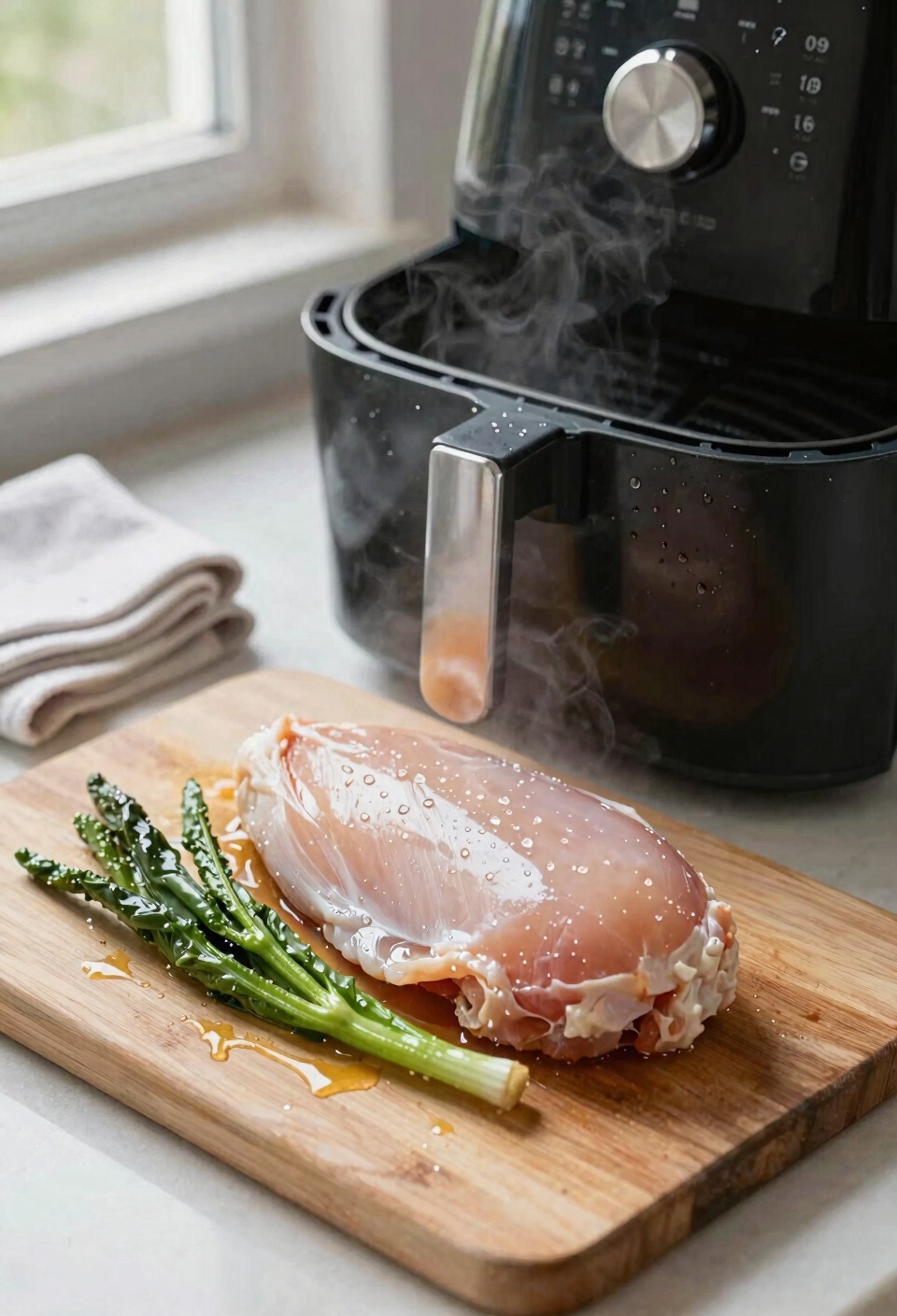
If you’ve been skipping the drying step before air frying, you’re sabotaging your food before it even hits the basket. Here’s the thing: surface moisture is your enemy. Wet food steams instead of crisps, and it takes forever to cook.
Pat down your chicken, fish, tofu, or veggies with paper towels before seasoning. This matters because moisture prevents that golden, crispy exterior you’re actually after. Plus, seasoning slides right off wet surfaces—total waste.
Now, protein brining does add flavor, but you’ll still need to dry everything thoroughly afterward. The payoff? Even browning, faster cooking times, and food that actually tastes crispy instead of soggy. Trust me, this one habit transforms your results.
Mastering Oil Amount: Too Much vs. Not Enough
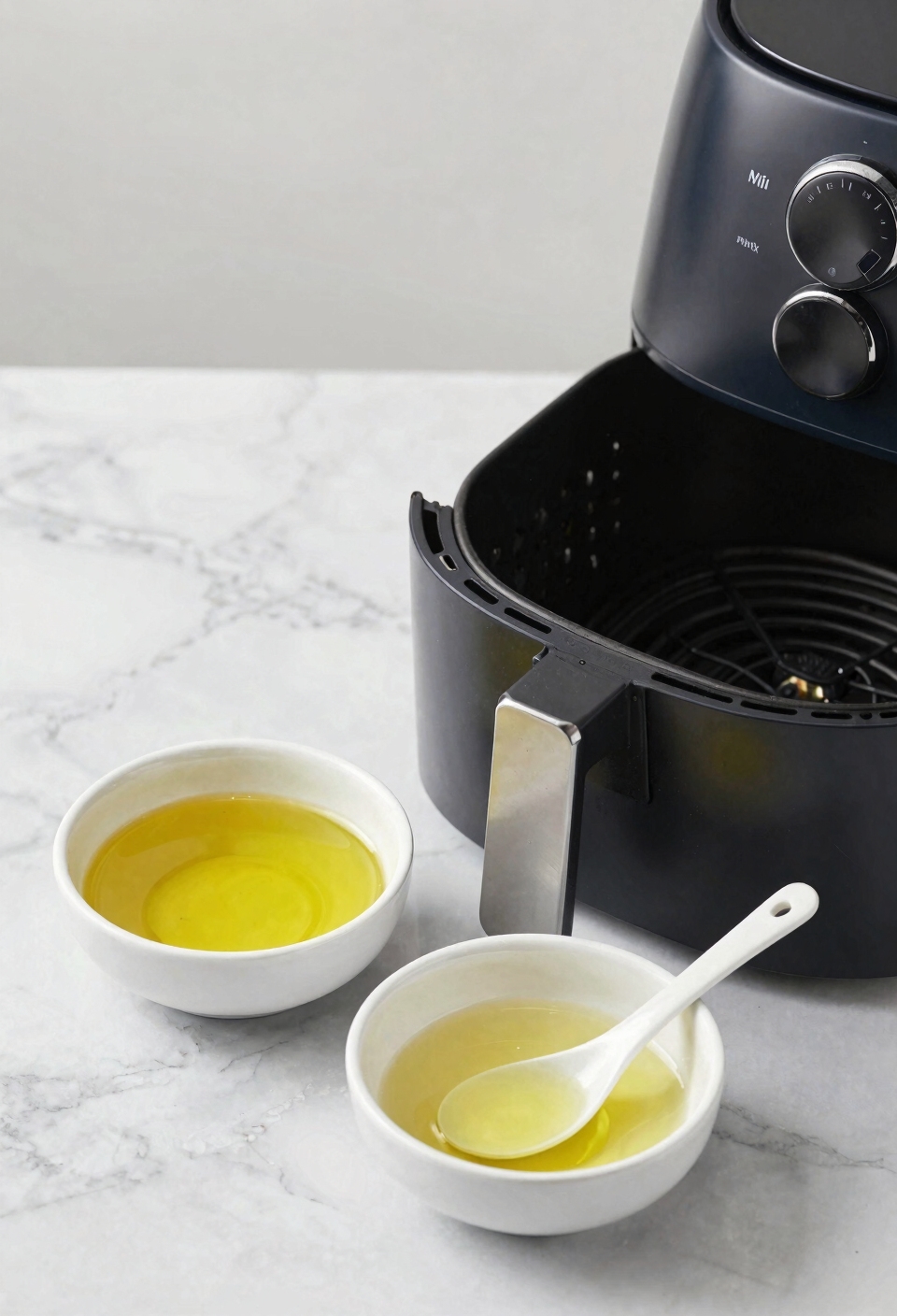
Once you’ve got the drying part down, you’re ready to tackle the next common pitfall: getting the oil amount just right. Here’s the thing: no oil leaves food dry and dusty, while too much creates a greasy mess that drips everywhere. I’ve learned that 1-2 teaspoons works perfectly for breaded recipes, though spraying works great for veggies. Consider using oil alternatives like cooking spray to control portions better. Pay attention to your oil’s smoke point—you don’t want it breaking down at high temperatures. Remember, proteins like chicken already have natural fats, so you might need less than you’d think. Light brushing or spraying does the job without defeating the whole air fryer purpose.
Shake and Flip Midway: It’s Non-Negotiable
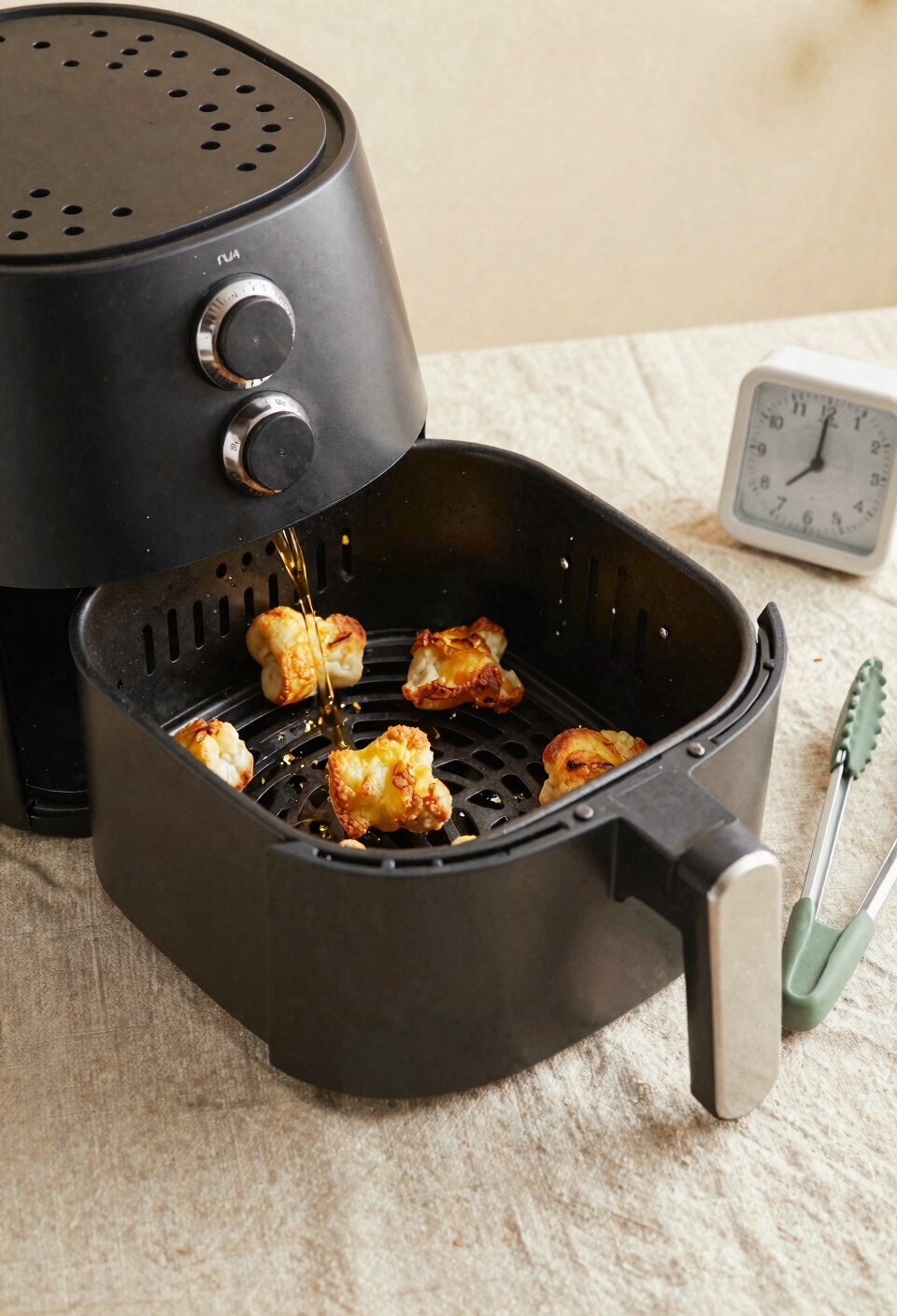
Even though hot air circulates all around your food, the pieces touching the basket don’t get the same exposure as those floating freely, so without movement, you’ll end up with uneven cooking every single time. I’m talking about those sad, pale bottoms while tops are crispy and golden.
Shake the basket halfway through cooking. Flip individual items like chicken breasts or fish fillets. This simple action exposes all sides to that circulating heat, and you’ll notice the difference immediately.
Now, some foods benefit from mid-cook seasoning—add herbs or spices after flipping for better adhesion. Grab tongs or a silicone spatula as your tool recommendations; they prevent burns and give you precision.
Your results depend on this movement.
When to Skip Preheating (and Save Energy)
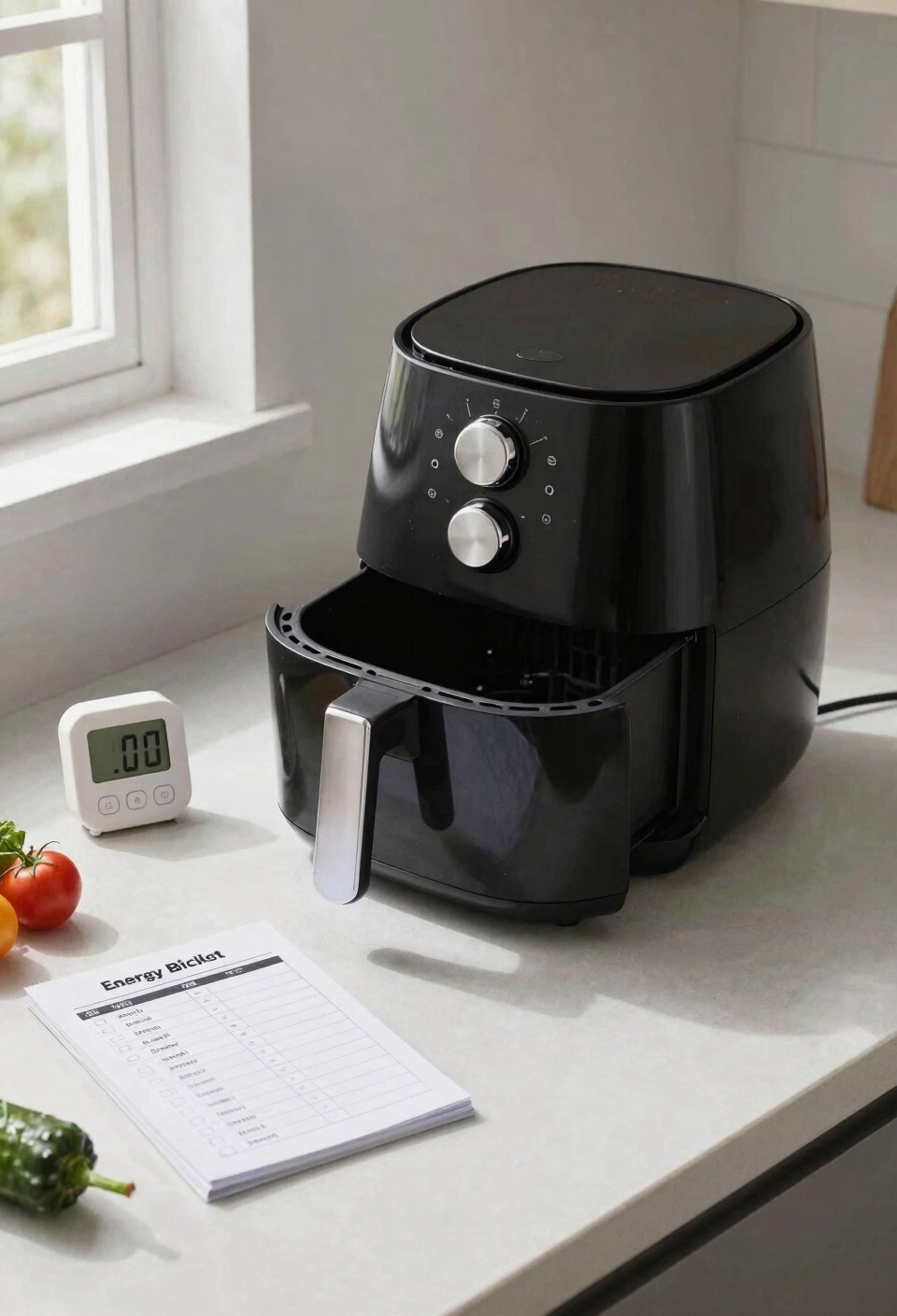
Now that you’ve got the shaking and flipping down, let’s talk about something that might actually *save* you time and energy—and I mean that literally. Here’s the thing: you don’t always need to preheat your air fryer. I know, I know—it feels wrong. But frozen fries? Quick veggies? They cook just fine without it. Preheating makes sense for certain recipes, sure, but skip preheating for anything that cooks fast, and you’ll cut your total time markedly. Check your manual first—different models have different quirks. The energy savings aren’t huge individually, but they add up. Plus, you’re actually cooking sooner instead of staring at your machine doing nothing. That’s a win in my book.
Liner Materials: What Works and What Causes Fires
Look, I’m going to be straight with you—the liner situation is where a lot of people get creative and then regret it. Wax paper? Don’t even think about it. That stuff melts faster than ice cream in July and can actually catch fire. Paper towels are equally risky.
Here’s what actually works: parchment rounds fit perfectly in most baskets and won’t budge during cooking. Silicone mats are fantastic too, though make sure they’re truly air-fryer rated. Aluminum foil works in a pinch, just don’t block the sides—air needs to move around everything.
The real golden rule? Check your manual first. Manufacturers design their machines specifically, and custom or poorly fitted liners can genuinely ruin your food or worse. Clean properly after each use so nothing builds up.
Your Manual Is Your Blueprint: Read It First
Before you do anything else with that air fryer, crack open the manual—I know, I know, nobody wants to read instruction booklets, but this one actually matters. Your specific model has quirks, temperature ranges, and preheat requirements that differ from mine or your neighbor’s.
Here’s the thing: ignoring it leads to mistakes. You’ll damage your machine, void your warranty, or worse, create a fire hazard. The manual tells you which liner materials are safe, whether preheating helps your model, and the exact airflow setup needed.
Look, I get it—manuals are boring. But spending ten minutes reading saves you headaches, money, and potential replacement costs down the road. Warranty tips? They’re buried in there too. Read it first, cook second.
Why Your Food Cooks Unevenly or Turns Soggy (and How to Fix It)
If your air fryer’s turning out food that’s either raw in the middle and burnt on the outside, or soggy when it should be crispy, you’re probably making one of three mistakes—and the good news is they’re all fixable.
First, you’re likely overcrowding the basket. Food needs breathing room for hot air to circulate evenly. Cook in single layers and batch if necessary.
Second, moisture is your enemy. Wet food steams instead of crisps, so pat everything dry with paper towels before cooking. Humidity control matters more than you’d think.
Third, check your rack placement and oil amount. Too much oil creates greasiness; too little leaves food dry and dusty. Use just 1-2 teaspoons for breaded items, and position your rack according to your manual’s guidance.
Building Air Fryer Mastery: From Mistakes to Crispy Results
Now that you’ve diagnosed what’s going wrong in your air fryer, the real work begins—turning those mistakes into muscle memory. You’ll want to nail temperature control first. Most recipe hacks involve dropping your oven temp by 10-25 degrees, then halving the time. Sounds weird, but trust me—it works.
Next, develop these core techniques: shake your basket halfway through cooking, flip delicate items, and always pat food dry beforehand. These simple movements transform soggy disappointments into crispy victories. Your air fryer mastery isn’t about perfection—it’s about consistency and learning how your specific model behaves.
Start experimenting with one recipe repeatedly until you own it, then branch out. Before long, you’ll instinctively know what works without overthinking it.
Frequently Asked Questions
Can I Cook Multiple Food Types Simultaneously in One Batch?
I’d recommend against it. Different foods require varying temperatures and cook times. You’ll struggle with meal layering and creating proper temperature zones, risking unevenly cooked results throughout your batch.
How Do I Know When Food Is Properly Cooked Inside Without Overcooking Outside?
“You’ve got to know when to hold ’em.” I’d check the internal temperature with a meat thermometer—it’s your best friend. I’ve found that allowing proper resting time after cooking prevents overcooking while ensuring doneness inside.
Should I Preheat My Air Fryer for Frozen Foods Specifically?
I’d skip preheating for frozen foods since they thaw gradually during cooking. Your preheat timing matters more for fresh items. Frozen texture actually benefits from the extended cook without initial heat shock.
What’s the Best Way to Clean My Air Fryer Basket After Cooking?
I’d say cleaning your air fryer basket is like polishing silver—it requires consistency. I wash mine with warm soapy water immediately after cooking, scrubbing away soap scum buildup. I dry it thoroughly for rust prevention and longevity.
Can I Use Parchment Paper Instead of Aluminum Foil for Lining?
I’d avoid parchment liners in your air fryer—they’re not designed for the intense heat and can catch fire. Instead, I’d recommend oven safe paper specifically made for air fryers, or use aluminum foil without blocking airflow sides.
Conclusion
Now, you’ve got all the pieces. Stop letting your air fryer be a mystery box—read that manual, don’t overcrowd, and actually dry your food. You’re not born knowing this stuff, and that’s fine. Every crispy success starts with ditching these rookie moves. You’re ready to turn that kitchen appliance into your secret weapon. Time to stop spinning your wheels and start spinning those basket results.