As an Amazon Associate, we earn from qualifying purchases. Some links on this site are affiliate links at no extra cost to you. Our recommendations are based on thorough research and editorial judgment.

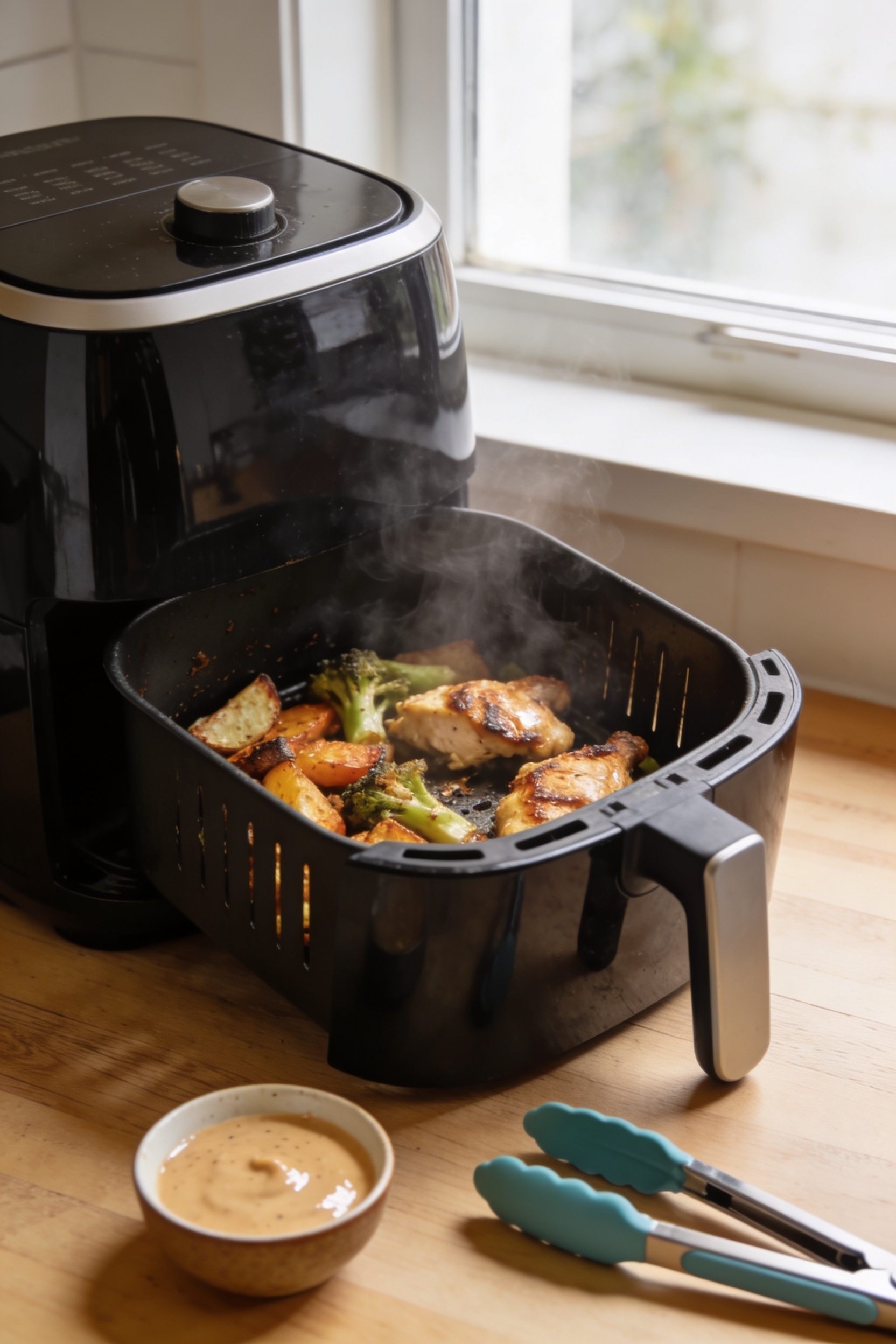
How to Reheat Leftovers in an Air Fryer the Right Way

preheating your air fryer to 350–400°F gives you a fighting chance at crispy leftovers, not rubbery ones. Most foods reheat in 3–10 minutes—flip halfway through and skip the cover to avoid soggy results. Pizza, fries, chicken, burgers—they’ve all got their sweet spot. The real magic? Treating toppings and sauces separately so they don’t steam into oblivion. Stick around for the specific temps and times that’ll change your leftover game.
Key Takeaways
- Preheat your air fryer to 350–400°F and reheat most foods for 3–10 minutes, checking for 165°F internal temperature.
- Never cover food; instead, add sauces and condiments after reheating to prevent condensation and maintain crispness.
- Disassemble burgers and sandwiches before reheating; reheat patties separately and reassemble with fresh toppings afterward.
- Arrange food in a single layer without crowding to allow proper air circulation for even, crispy results.
- Flip items halfway through and shake baskets of fries or similar foods to prevent moisture pooling and sogginess.
Set Your Air Fryer Temperature and Timing for Reheating
All right, here’s the thing—getting temperature and timing right is basically the whole game when you’re reheating leftovers in an air fryer. I always preheat to between 350-400°F depending on what I’m working with, and that preheat calibration matters more than you’d think. It guarantees even heating from the jump.
Now, timing varies wildly. Most foods need 3-10 minutes, but here’s where moisture management comes in. I’ll add a few water drops to rice or spray a light coat of oil on fries. That’s the difference between crispy and sad.
The key? Check your food’s internal temperature—aim for 165°F. Flip halfway through for even crisping. You’ll nail it once you understand that temperature and time aren’t enemies; they’re teammates working together.
Reheat Pizza, Fries, and Fried Chicken Perfectly
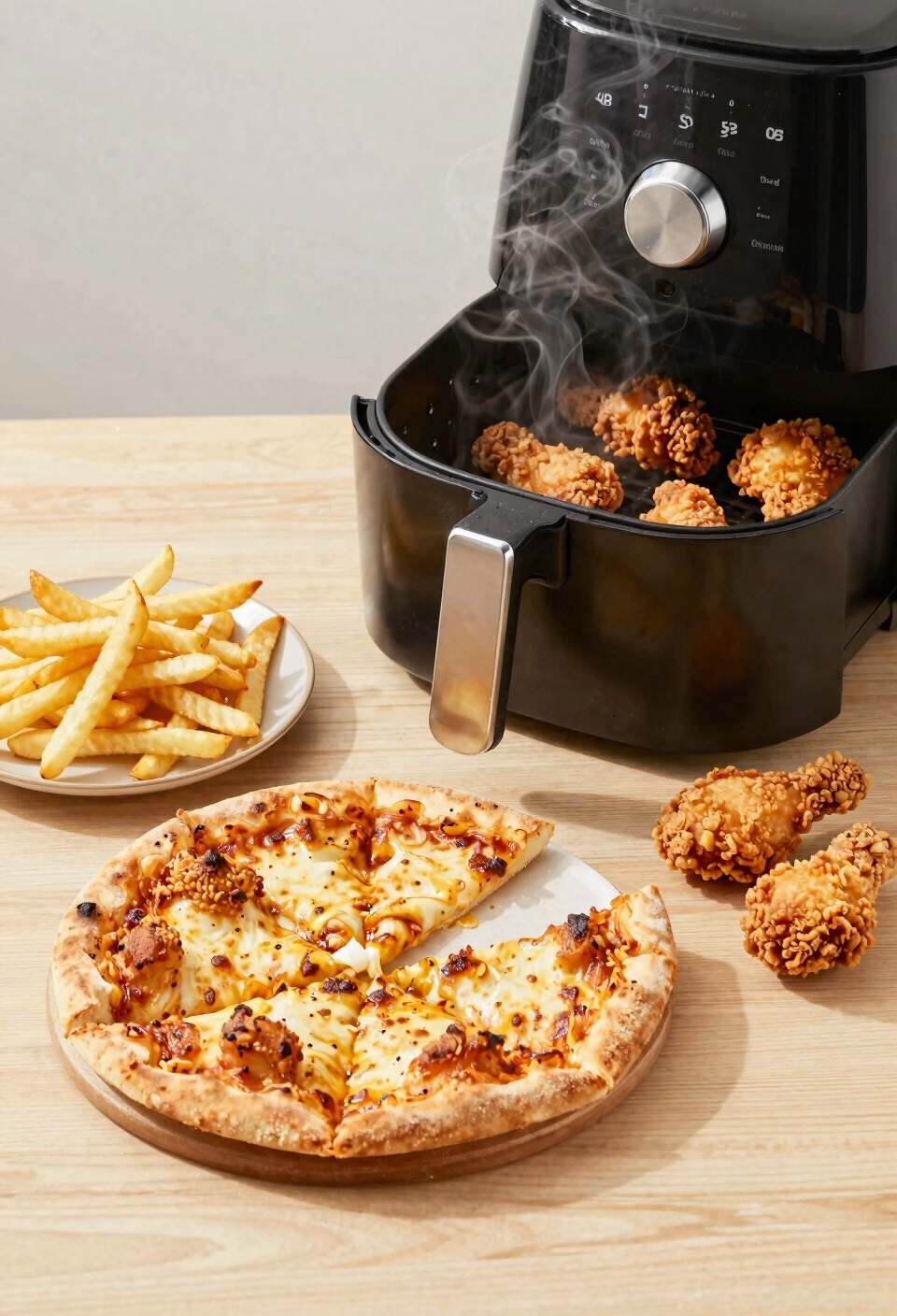
Now that you’ve nailed the temperature-and-timing foundation, let’s talk about the three foods that actually matter when you’re reheating leftovers—pizza, fries, and fried chicken.
For pizza, I’ll keep it simple: thin crust hits 350°F for 3-4 minutes, while thick crust needs 320°F for 3-5 minutes. Want those wood fired textures back? Try 360°F for 4-6 minutes until the cheese bubbles. If you’ve got a garlic infused crust, watch it closely—it can brown fast.
Fries are your redemption arc. Thin-cut fries need 400°F for 3-5 minutes. Thick-cut? Dial it back to 375°F for 5-6 minutes. Shake halfway through.
Fried chicken’s the real MVP here. Bone-in pieces want 375°F for 10-12 minutes. Boneless tenders? Just 4-5 minutes at the same temp. Flip halfway and you’re golden.
Reheat Burgers, Veggies, and Other Assembled Foods
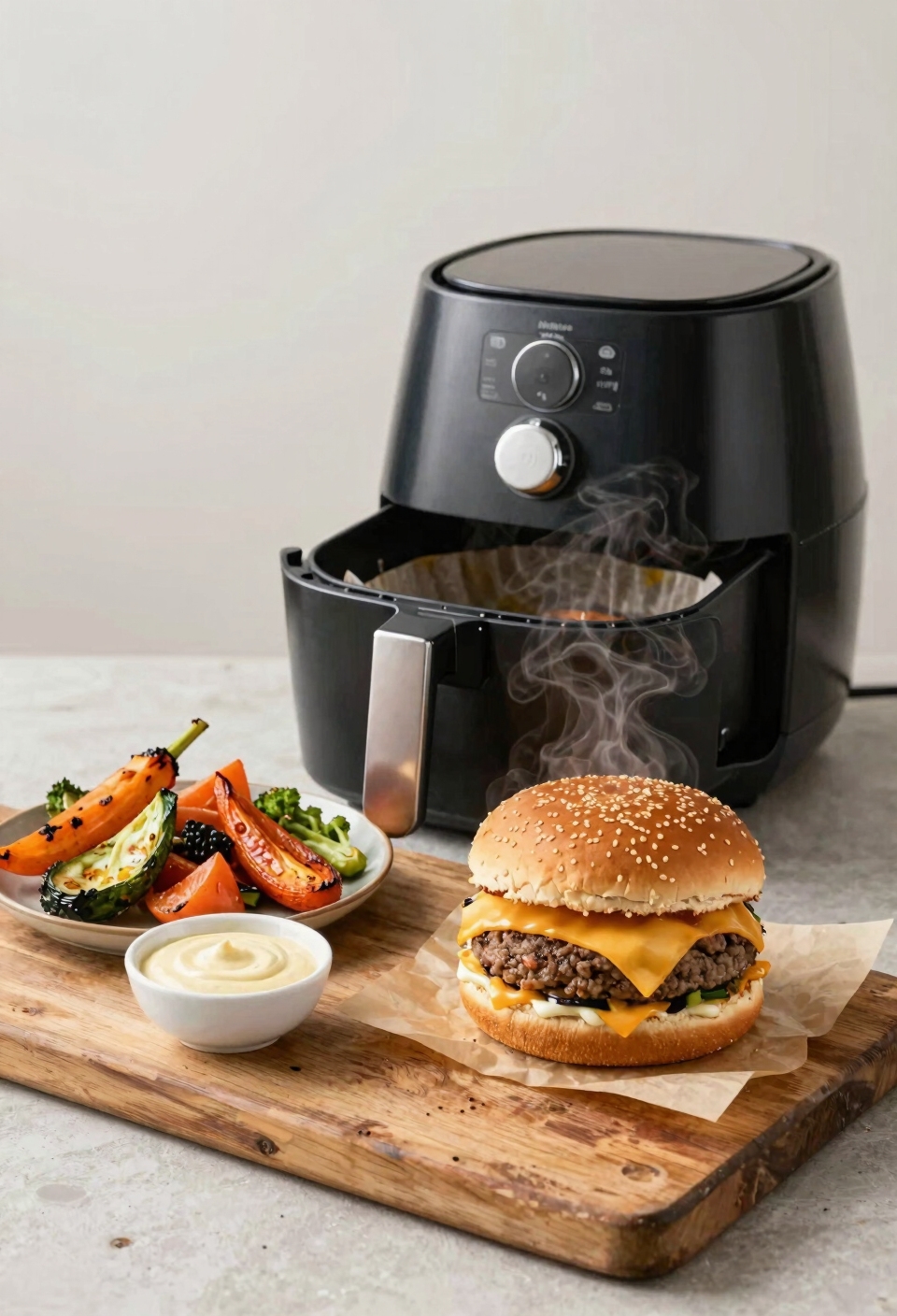
Burgers and assembled foods are trickier than they seem—because while you want that patty crispy again, you don’t want your lettuce wilted into sad, warm mush. Here’s the thing: you’ve got to disassemble. Remove toppings like lettuce, tomato, and mayo before reheating. Reheat your patty solo at 350°F for 3-4 minutes, then reassemble with fresh toppings after. For steamed vegetables on the side, hit them at 375°F for 3-5 minutes—they’ll crisp up nicely without turning mushy. Meatloaf slices work similarly: 350°F for 3-5 minutes, flipped halfway through. The key is thinking strategically. Cold toppings stay cold, hot components get hot, and you actually enjoy eating your leftovers instead of tolerating them.
Stop Leftovers From Getting Soggy or Dry
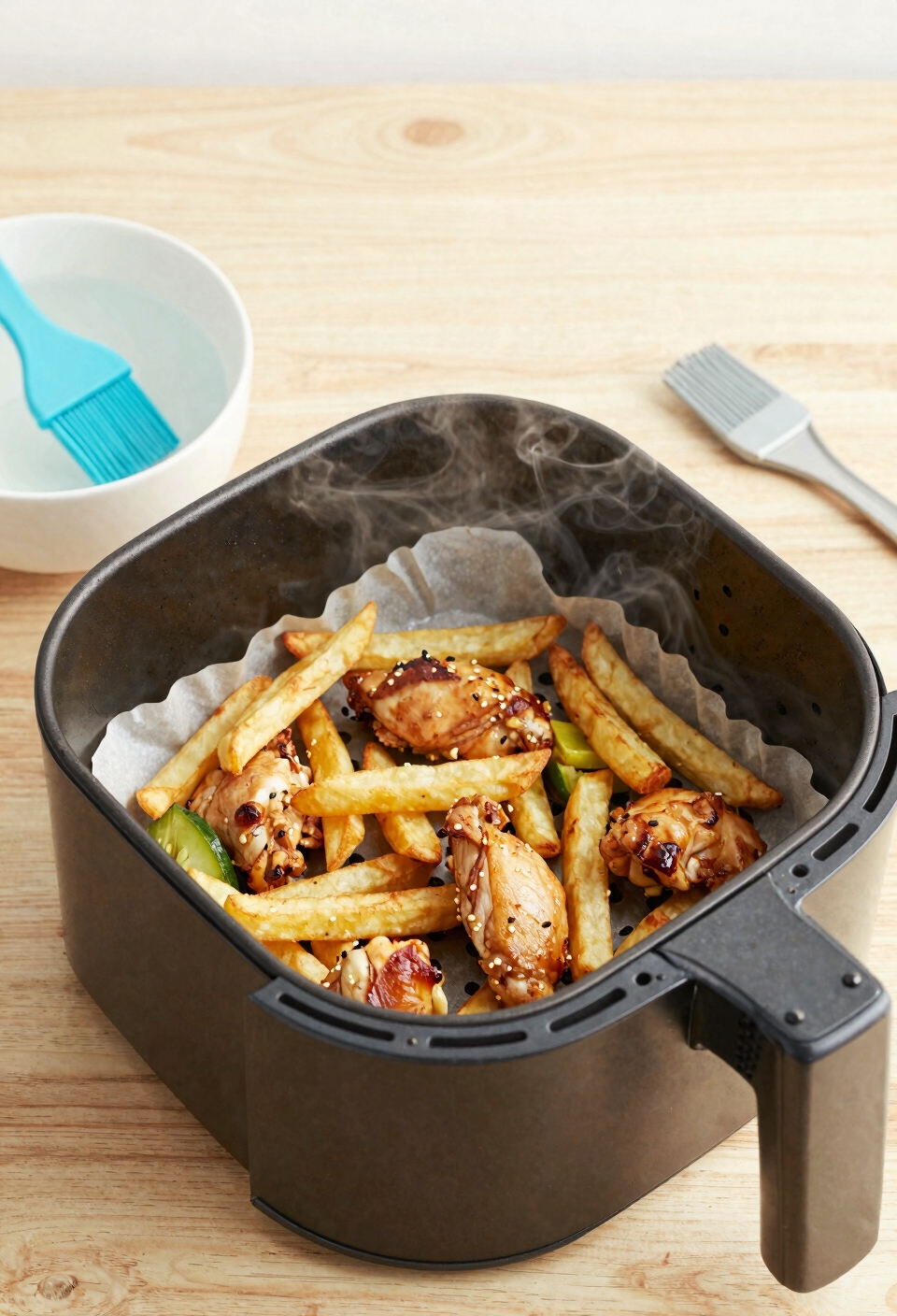
Getting your patty crispy is only half the battle—the real challenge is keeping everything else from turning into either a dried-out hockey puck or a soggy mess. Here’s the thing: I’ve learned that timing and strategy matter more than temperature alone.
To prevent condensation buildup, don’t cover your food. That trapped steam will make your burger bun soggy faster than you’d think. Instead, use moisture barriers like lettuce leaves between the patty and bun. Add sauces after reheating, not before—cold condiments steam everything up.
For sides like fries, shake the basket halfway through. This disrupts moisture pooling. Now, if your chicken’s turning dry, lower the temperature by 25 degrees and check it earlier. You’re aiming for that sweet spot where crispy meets tender.
Expert Techniques for Perfectly Crisped Leftovers Every Time
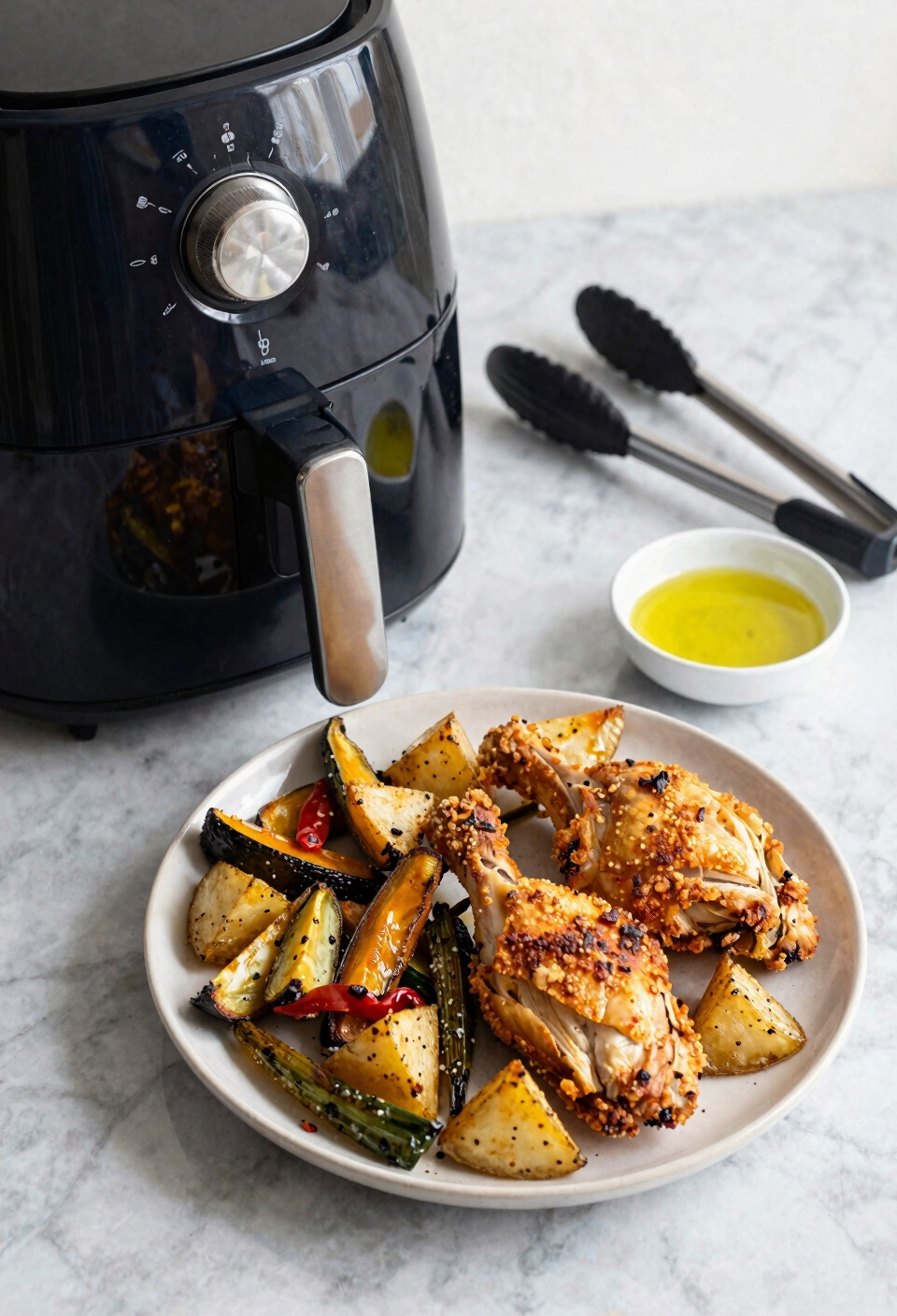
Since you’ve got the moisture problem handled, it’s time to dial in the techniques that’ll make your leftovers actually taste better than they did the first time around. Here’s the thing: air fryers work through convection principles, circulating hot air at high speed to crisp surfaces quickly. That’s your secret weapon. Arrange everything in a single layer without crowding—this lets air flow properly around each piece. Flip halfway through cooking for even results. Now, moisture management doesn’t stop at prep. A light oil spray before reheating actually enhances crispness instead of creating sogginess. Trust me, this small step transforms everything from fries to chicken. The key is respecting your air fryer’s power while working with it, not against it.
Frequently Asked Questions
Can I Reheat Multiple Different Foods in the Air Fryer Simultaneously?
I wouldn’t recommend it. Different foods need distinct temperature zones and cooking times. You’ll risk flavor transfer between items and uneven reheating. I’d suggest reheating foods separately for best results.
How Do I Know When My Leftovers Are Safely Reheated to the Proper Temperature?
I’d recommend using an internal thermometer to check that your leftovers reach 165°F. I also watch for visual cues like steaming and bubbling cheese, which tell me everything’s heated through properly.
Should I Use Oil Spray on All Types of Leftovers Before Reheating?
No, I’d say oil’s optional for most leftovers. I’ll use it mainly when I want extra crunch—like with fries or chicken. The coating impact depends on what you’re reheating; already-fried foods don’t need it.
Can I Reheat Frozen Leftovers Directly Without Thawing Them First?
You can reheat frozen proteins directly, though I’d add a few extra minutes to your cooking time. For veggie texture, I recommend thawing first to prevent sogginess and guarantee even reheating throughout.
What’s the Best Way to Store Leftovers for Optimal Air Fryer Reheating Later?
I’d recommend storing your leftovers in airtight containers with portion labeling so you’ll know exactly what you’re reheating and when. This keeps food fresh longer and makes air fryer reheating quicker and more efficient.
Conclusion
Look, I’ve spent way too much time resurrecting cold pizza and sad fries, and I’m here to tell you: your air fryer’s about to become your leftovers’ best friend. You’ve got the temperature tricks, the timing hacks, and now you know how to keep things crispy instead of catastrophic. Stop microwaving your life away. Your taste buds—and your dignity—will thank you.